What's inside
As an Amazon Associate I earn from qualifying purchases. This post may contain affiliate links at no extra cost to you.
What we cover
Best drill bits for cast iron
For most holes in cast iron, buy a sharp, standard-length cobalt HSS bit—M35 cobalt is a practical choice; M42 cobalt contains more cobalt and can last longer under heat, but costs more and is not necessary for occasional DIY work. A quality high-speed steel bit can also do the job if it is sharp, the hole count is small, and you keep the speed down. Cast iron is hard and brittle, so steady cutting and good chip control matter more than a fancy coating.
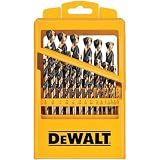
Use a regular drill or cordless drill with the hammer function off. Hammering can crack or chip the workpiece, and an impact driver is a poor substitute: its pulsing action makes it harder to keep a bit steady and can break small bits. For a modest kit, compare M35 cobalt drill bit sets with a single bit in the size you need. A set makes sense if you expect several hole sizes; one sharp bit is usually the cheaper choice for a one-off job.
As an Amazon Associate we earn from qualifying purchases at no extra cost to you.


Bit options at a glance
| Bit type | Best for | Trade-off |
|---|---|---|
| Standard HSS | One or a few holes, modest speeds | Cheapest; dulls sooner if overheated |
| M35 cobalt HSS | DIY jobs and repeat drilling | Costs more than ordinary HSS; a good general-purpose pick |
| M42 cobalt HSS | Frequent use or tougher, heat-prone work | Often more expensive; not a guarantee against poor technique |
| Carbide-tipped masonry bit | Masonry, not ordinary cast iron drilling | Wrong geometry for a clean metal hole; avoid unless the bit maker explicitly rates it for the material |
For larger holes, start with a pilot hole and step up in size rather than forcing a large bit to cut immediately. A single cobalt bit in the finished hole size is still the right choice when you do not need a set. For holes substantially larger than about 1/2 inch, check the drill and bit makers’ guidance; a hole saw or annular cutter may be more suitable, but only if it is designed for cast iron and the setup can hold the work securely.
Set up the drill and work safely
Clamp the part firmly. If it is a pipe or fitting, support it so it cannot roll or shift; do not hold it in your hand. Mark the center with a punch to keep the bit from skating, then start with a small pilot—about 1/8 inch is a useful starting size for many larger holes. Keep the drill square to the surface. On a cordless drill, select low gear for control and turn off hammer mode. Use a sharp bit with a sound, undamaged shank.
Cast iron generally calls for lower cutting speeds than mild steel. As a starting point, a 1/4-inch HSS or cobalt bit can be run around 400–600 rpm; a 1/2-inch bit around 200–300 rpm. These are approximate figures, not a substitute for the bit maker’s chart: use the slower end if the iron is hard, the drill is underpowered, or the bit is getting hot. A variable-speed drill makes it easier to start slowly and hold a steady speed.
Wear safety glasses. Cast iron produces sharp, brittle chips, and some old coatings, grime, or attached material may create additional hazards. Keep hands and loose clothing clear, and do not let chips collect where they can snag the bit. If the part is a vehicle component, gas line fitting, pressure vessel, or load-bearing part, confirm that drilling is safe before proceeding.
Drill without overheating the bit
Apply firm, even pressure and let the cutting edges do the work. You should see chips forming; pushing harder on a bit that is only rubbing creates heat without useful progress. If the drill slows sharply, ease off. Withdraw the bit periodically to clear chips, especially in deeper holes, and use cutting fluid if the bit manufacturer permits it. A few drops of suitable cutting oil can help with heat and wear, but do not flood the hole or let lubricant hide a crack or other defect in the casting.
Listen and watch for trouble. Squealing, smoke, blue discoloration, or a suddenly blunt cutting edge are signs of excessive heat or a damaged bit. Stop, let the bit cool, and inspect it. A dull bit can skate, overheat the drill, or break; replacing it is usually cheaper than forcing it. If the bit binds near breakthrough, reduce pressure and hold the drill securely—the sudden grab can twist your wrist or shift the workpiece.
Cast iron often breaks into small chips as the hole opens through, and the exit edge may chip. Reduce feed pressure near breakthrough. For a neat finish, deburr the edge with a countersink or hand deburring tool rather than using the drill to wobble the hole larger.
What to buy for your job
For one or two small holes, a sharp, inexpensive HSS bit is fine if you work slowly and accept that it may not last as long. Choose M35 cobalt for a useful balance of cost and durability if you expect repeated holes or want more margin against heat. M42 is a reasonable upgrade for regular shop use, but it will not rescue a dull bit, excessive speed, or a loose setup. Look for clearly marked sizes and a suitable point style; a split point can reduce walking, though a center punch still helps.
Match the bit to the actual casting and hole size, and avoid assuming that every gray, rough metal part is ordinary cast iron. If a bit barely cuts despite correct speed and pressure, stop rather than leaning harder: the casting may be unusually hard, the bit may be worn, or the material may be different from what you expect.