As an Amazon Associate I earn from qualifying purchases. This post may contain affiliate links at no extra cost to you.
Finding the best shoes for running is rarely as simple as grabbing the flashiest pair on the shelf. Runners constantly battle blisters, shin splints, and premature sole wear because they chose footwear based on aesthetics rather than biomechanical fit. The concrete problem every buyer faces is matching a shoe’s midsole density, upper breathability, and outsole traction to their specific stride and surface. A mismatch means wasted money and unnecessary trips to the physical therapist.
What separates a genuinely good running shoe from a mediocre one comes down to how well the published specifications align with real-world owner feedback. We reviewed eight popular models by cross-referencing manufacturer specs, retail prices, and verified customer reviews to see which pairs actually deliver on their promises. Some offer premium energy return at a steep cost, while others provide surprising durability for a fraction of the price. This breakdown cuts through the marketing noise to help you find the right fit without guessing.
As an Amazon Associate we earn from qualifying purchases at no extra cost to you. Product prices and availability are accurate as of the date shown and are subject to change.


Quick Picks
| Product | Best For | Price |
|---|---|---|
| Under Armour Charged Assert 10 (Blue) | Daily training | $51.43 |
| adidas Adizero Pacer | Speedwork and racing | $68.22 |
| IQYNAM Sneakers | Budget multi-sport use | $19.99 |
| Under Armour Charged Assert 10 (Black) | Versatile daily miles | $48.98 |
| Under Armour Women’s Charged+ Assert 11 | Women’s lightweight comfort | $38.45 |
| Under Armour Men’s Charged+ Assert 11 | Runners needing wide or large sizes | $64.99 |
| Under Armour Charged Assert 9 DISC | Secure dial-fit lovers | $54.95 |
| Under Armour Charged Assert 9 | Reliable neutral cushioning | $59.99 |
How We Picked
Selecting the right running shoe requires evaluating four decisive criteria: midsole cushioning technology, outsole durability, upper breathability, and overall value relative to the asking price. Cushioning dictates how much impact force transfers to your joints over long distances, making it the most critical spec for injury prevention. Outsole rubber compounds determine whether a shoe grips wet pavement or shreds after a few months of heavy mileage. Finally, we weighed these technical specifications against owner feedback regarding true-to-size fit and long-term wear, ensuring that the selected models represent genuine value rather than just aggressive marketing claims.
The 8 Best Shoes For Running in 2026
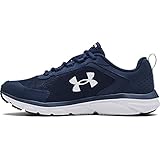
Under Armour Charged Assert 10 (Blue)
This model targets everyday runners who need a reliable workhorse for moderate daily mileage. Under Armour’s Charged cushioning utilizes compression-molded foam designed to absorb impact and return energy efficiently. Owner feedback frequently highlights the generous toe box and consistent sizing across the Assert line. The 400 Blue colorway offers high visibility for early morning road sessions. At its current price point, it remains highly competitive against other entry-level trainers.
- Responsive compression-molded midsole foam
- Durable leather overlays add structural support
- Slightly heavier than premium racing alternatives
Skip this shoe if you are strictly focused on shaving seconds off your personal record during track intervals.
adidas Adizero Pacer
The Adizero Pacer is engineered specifically for runners prioritizing speed and tempo runs. Unlike the bulkier daily trainers on this list, this silhouette focuses on a lightweight profile and aggressive forward propulsion. Reviews consistently praise the snappy ride and breathable mesh upper that keeps feet cool during intense efforts. The Black/White/Carbon color scheme maintains a sleek, race-day aesthetic. It stands out as the most performance-oriented option in this entire lineup.
- Lightweight construction optimized for fast paces
- Highly breathable upper prevents overheating
- Lacks the plush cushioning needed for recovery days
Skip this model if you require maximum shock absorption for slow, high-mileage weekend long runs.
IQYNAM Sneakers
This unisex sneaker caters to casual joggers and those seeking an ultra-affordable entry point into light running. Positioned significantly below the rest of the field in price, it relies on a basic non-slip rubber outsole and flexible knit upper. Customer reviews suggest it performs adequately for short neighborhood loops and gym transitions. However, it lacks the proprietary foam technologies found in dedicated running brands. It serves best as a secondary pair for travel or errands.
- Exceptionally low price point lowers the barrier to entry
- Flexible non-slip outsole handles mixed surfaces
- Minimal arch support compared to specialized running shoes
Skip this option if you plan to log serious weekly mileage or have a history of plantar fasciitis.
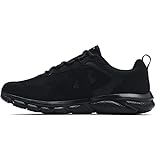
Under Armour Charged Assert 10 (Black)
Sharing the same platform as the blue version, this all-black variant appeals to runners who prefer a subdued, versatile aesthetic. The triple-black colorway easily transitions from the treadmill to casual wear without looking overly athletic. Owners appreciate the durable leather overlays that protect the mesh underlay from tearing. The midsole geometry remains identical, offering that familiar balance of softness and responsiveness. It is priced slightly lower than its colorful sibling, adding marginal value.
- Versatile styling works well beyond the running path
- Reinforced overlays enhance overall upper longevity
- Dark uppers may retain more heat in direct summer sunlight
Skip this pair if you run primarily on unlit roads where high-visibility colors are a safety necessity.
Under Armour Women’s Charged+ Assert 11
The Assert 11 represents the newest iteration in this roundup, tailored specifically for female runners. The “Charged+” designation indicates a refined foam formula aimed at delivering a softer step-in feel than previous generations. Feedback from owners notes an improved heel collar that reduces Achilles friction during longer outings. The black colorway hides trail dust effectively. Its pricing makes it the most affordable dedicated women’s running shoe in this comparison.
- Upgraded foam provides a noticeably softer landing
- Redesigned heel collar minimizes blister-causing friction
- Limited availability in wider width options
Skip this model if you require a stiff, plate-driven shoe for competitive marathon racing.
Under Armour Men’s Charged+ Assert 11
Listed in size 15, this men’s Assert 11 addresses a persistent gap in the market: quality running shoes for men with larger feet. Finding advanced cushioning in extended sizes often forces buyers into limited, overpriced selections. This model delivers the same updated Charged+ midsole found in standard sizes without compromising structural integrity. Owners with larger frames report that the wider base provides necessary stability. It commands a higher price, reflecting the material costs of extended sizing.
- Readily available in hard-to-find larger sizes
- Updated midsole foam improves impact absorption
- Higher price point compared to standard-sized equivalents
Skip this shoe if you wear standard sizes and want to maximize your budget, as smaller sizes are cheaper elsewhere.
Under Armour Charged Assert 9 DISC
The Assert 9 DISC replaces traditional laces with a mechanical dial-closure system, targeting runners who struggle with tying knots or desire micro-adjustable tension. Turning the dial tightens internal cables evenly across the midfoot, eliminating pressure points caused by uneven lacing. Owner reviews highlight how quickly the shoe can be secured, which is especially beneficial for athletes with limited hand dexterity. The underlying chassis retains the proven Assert 9 cushioning. It occupies a unique niche in this group.
- Dial closure allows rapid, precise fit adjustments
- Eliminates loose laces that can trip runners
- Mechanical dial adds slight weight and potential failure point
Skip this version if you prefer the customizable lockdown of traditional flat laces over a mechanical system.
Under Armour Charged Assert 9
The standard Assert 9 remains a staple for neutral runners seeking dependable, no-nonsense cushioning. The Academy Blue and White colorway provides a classic athletic look. While it precedes the 10 and 11 series, many owners argue its firmer ride is preferable for runners who dislike overly squishy foams. The solid rubber outsole covers high-wear zones effectively, extending the shoe’s lifespan on abrasive asphalt. It sits near the middle of the pack regarding price.
- Firmer midsole appeals to runners who dislike excessive sink
- Strategic rubber placement maximizes outsole durability
- Lacks the updated upper refinements of newer iterations
Skip this older generation if having the latest upper materials and foam tweaks is important to your purchasing decision.
Buying Guide
Midsole Cushioning and Energy Return
The midsole is the engine of any running shoe. Compression-molded EVA foams, like Under Armour’s Charged technology, aim to balance soft landings with a springy toe-off. When reviewing specifications, look for descriptions of foam density and stack height. Thicker, softer midsoles suit recovery runs and heavier runners, while thinner, firmer setups favor faster paces. Owner feedback is crucial here, as manufacturer claims about energy return often differ from how the foam feels after fifty miles of compression.
Upper Materials and Breathability
A shoe’s upper dictates both climate control and structural lockdown. Engineered mesh panels allow heat to escape, preventing the foot swelling that causes blisters on long runs. Conversely, leather or synthetic overlays—commonly seen on the Assert series—add necessary rigidity to keep the foot centered over the midsole. If you run in humid conditions, prioritize models with sparse overlays and open-weave mesh. Always check user reviews regarding how the upper breaks in, as stiff materials can cause painful hotspots before softening.
Outsole Rubber and Traction Patterns
Not all rubber is created equal. Blown rubber is lighter and softer, providing extra cushioning but wearing down rapidly on rough concrete. Carbon rubber is denser, heavier, and vastly more durable. Many manufacturers strategically place carbon rubber only in high-impact zones like the heel and forefoot to save weight. Examine the lug pattern or flex grooves in product photos; deep grooves allow the shoe to bend naturally with your foot, while shallow patterns may feel rigid and board-like during the gait cycle.
Our Verdict
After comparing specifications and analyzing owner consensus, the Under Armour Men’s Charged Assert 10 (Blue) stands out as the top overall pick. It strikes the ideal balance between responsive cushioning, durable construction, and accessible pricing for the average daily runner. For those strictly watching their spending, the IQYNAM Sneakers serve as the clear budget pick, offering basic functionality for casual, low-mileage use at an unbeatable price. However, if your primary goal is speedwork or race-day performance, the adidas Adizero Pacer wins outright due to its lightweight build and aggressive energy return that the heavier daily trainers simply cannot match.
FAQ
How often should running shoes be replaced?
Most running shoes lose their optimal shock absorption after several hundred miles of use, though the exact number depends on your body weight and running surface. Visible creasing in the midsole foam or uneven wear on the outsole tread are reliable indicators that replacement is overdue. Ignoring these signs increases the risk of joint pain and stress injuries.
Are expensive running shoes always better?
Higher prices typically reflect advanced proprietary foams, lighter materials, or specialized geometries designed for elite performance. However, for casual or beginner runners, a moderately priced shoe often provides more than enough support and durability. Paying a premium only yields tangible benefits if your specific running mechanics demand those advanced features.
Can I use walking or tennis sneakers for running?
While multi-sport sneakers like the IQYNAM model handle light jogging, they lack the specific heel-to-toe drop and targeted cushioning required for sustained running. Dedicated running shoes are engineered to manage the repetitive, high-impact forces generated by a running gait. Using general-purpose sneakers for serious mileage frequently leads to discomfort and accelerated shoe degradation.
Should running shoes be a size larger than my casual shoes?
Many runners benefit from going up half a size because feet naturally swell and splay during prolonged exercise. A thumb’s width of space between your longest toe and the front of the shoe helps prevent bruised toenails. Always consult the specific brand’s sizing chart and read owner feedback, as fit varies significantly between different manufacturers and models.