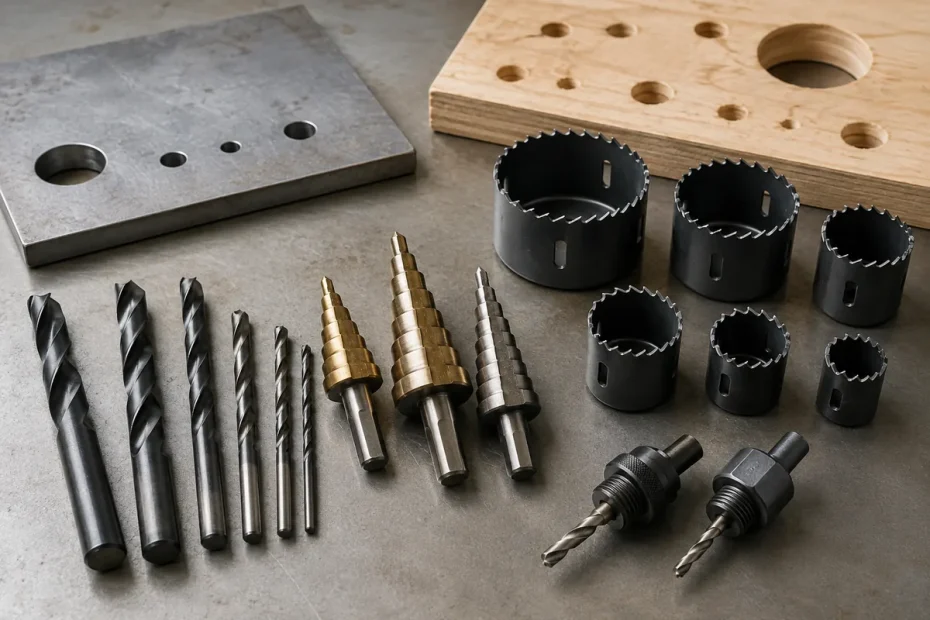
How to Prevent Drill Bits from Walking on Metal
Drill bits walk when the cutting edges cannot bite the surface immediately. On metal, the usual causes are a rounded bit tip, too much pressure at the wrong speed, a smooth workpiece, or starting with…
Drill bits walk when the cutting edges cannot bite the surface immediately. On metal, the usual causes are a rounded bit tip, too much pressure at the wrong speed, a smooth workpiece, or starting with…
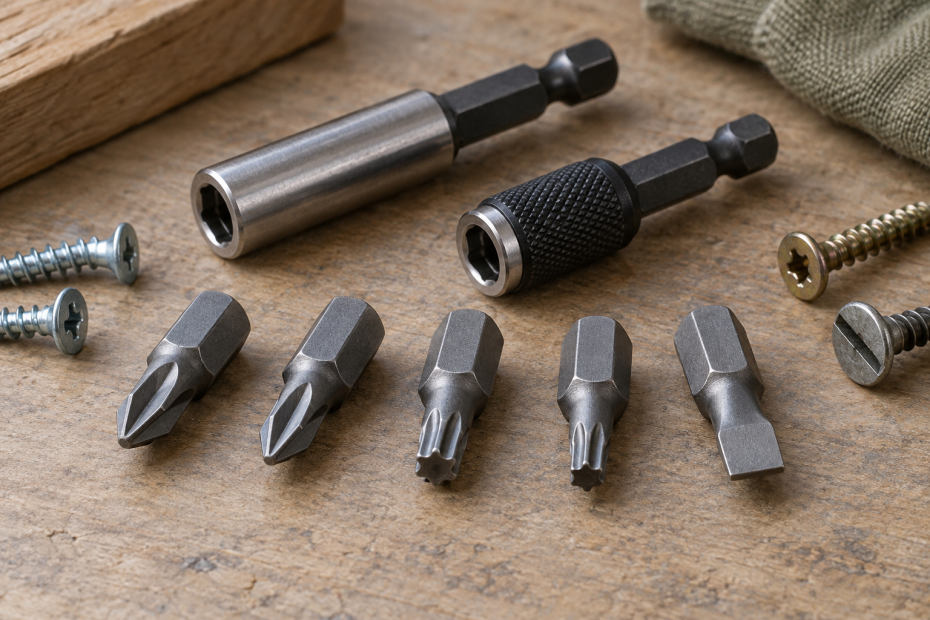
Why impact driver bits fall out An impact driver holds a bit with a spring-loaded sleeve and a retaining ball or pin. Pull the sleeve forward, insert a compatible hex shank, then release it so…
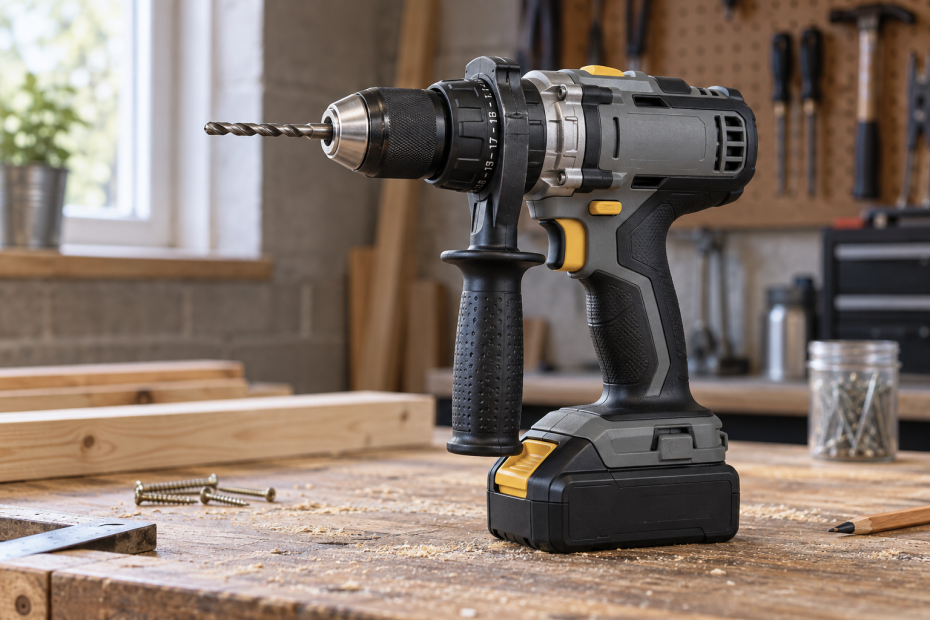
Choose the right tool for the material A hammer drill spins the bit while adding a rapid forward-and-back tapping action. That action helps a masonry bit cut brick, concrete block, and concrete. It is useful…
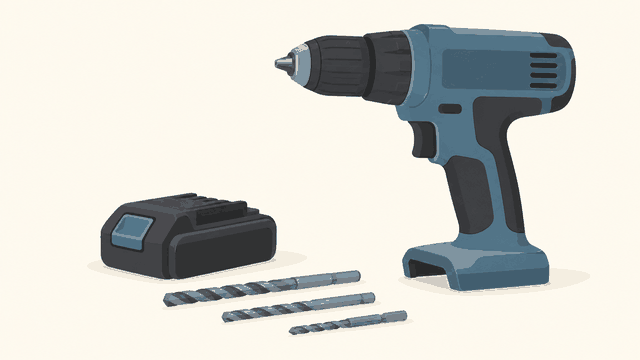
A stripped screw is usually a problem of lost bit grip, not insufficient tool power. A cordless drill can remove many damaged screws; an impact driver can help with stubborn ones, but its fast impacts…
Drilling ceramic tile is usually straightforward if you control heat, pressure, and movement. Most cracked tiles fail because the bit wanders, overheats, or is pushed too hard near an unsupported edge. The job is less…
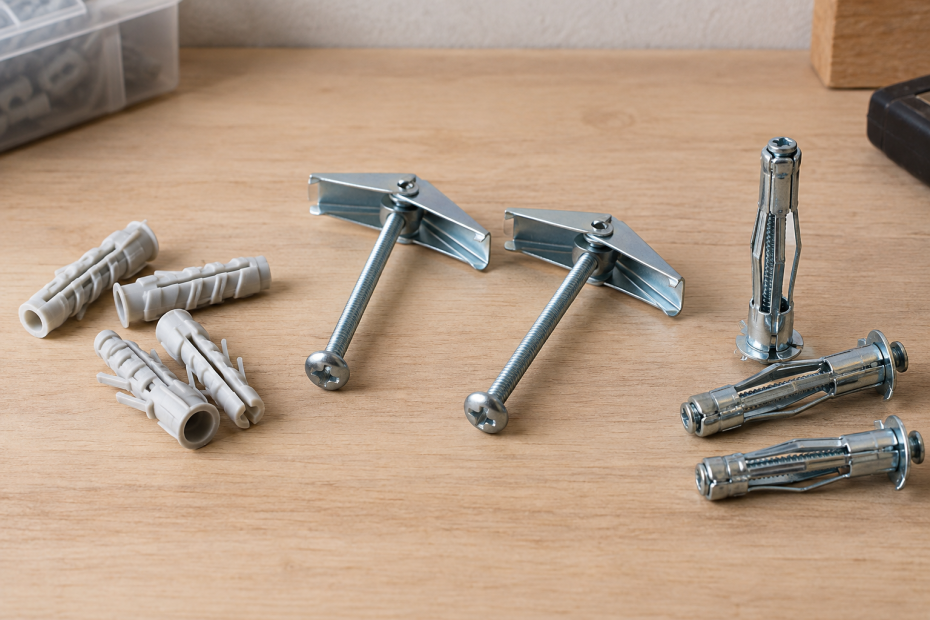
Start with the anchor, not the drill The right hole size depends on the anchor’s design and the material around it. There is no single drill-bit diameter that matches every anchor with the same stated…
For occasional masonry work, the choice between a cordless hammer drill and a corded hammer drill usually comes down to convenience versus continuous power. Both can drill holes in brick, block, and light concrete, but…
Splitting usually happens when a screw pushes wood fibers apart faster than the lumber can flex around them. A pilot hole removes some of that wood, giving the screw room to cut threads instead of…
When toggle bolts make sense A toggle bolt can hold a load on hollow drywall where there is no stud to fasten into. Its spring-loaded wings pass through a hole, open behind the wall, and…
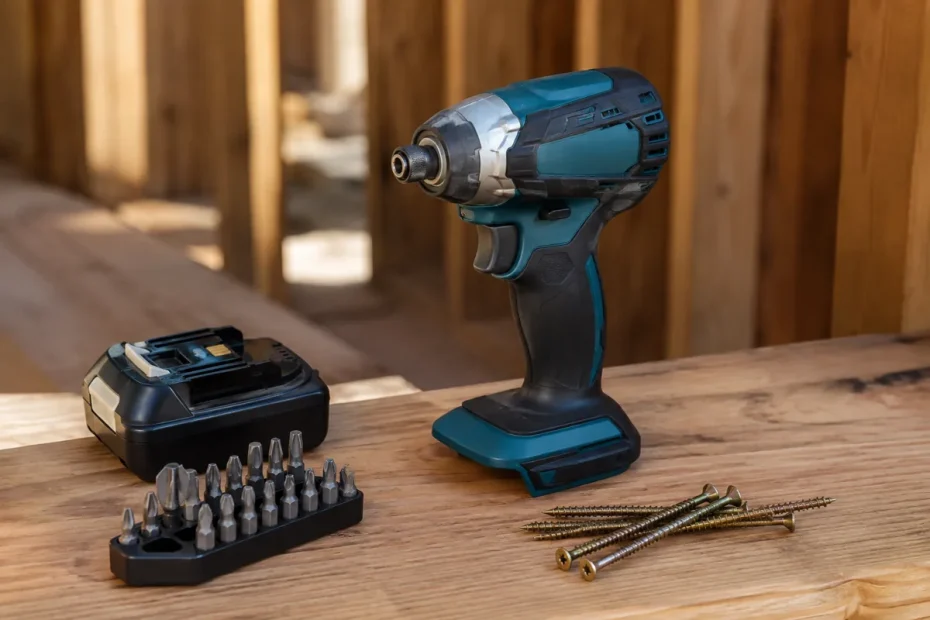
Long screws put more strain on a driver bit than short screws do. The bit has to stay seated while the screw threads pull through a long stretch of wood, and a small slip can…