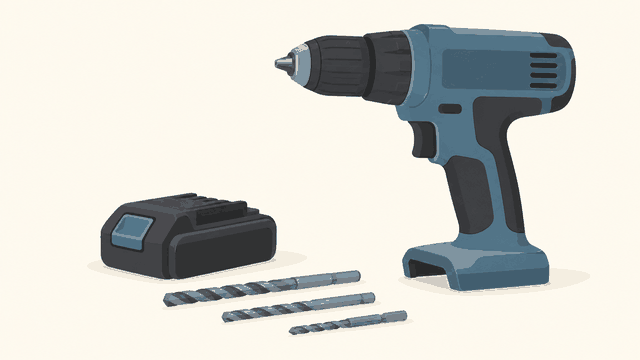
How to Choose Drill Clutch Settings for Different Screw Sizes
The clutch on a cordless drill limits how much turning force reaches a screw. Set it too low and the screw stops short; set it too high and you can strip the head, snap the…
The clutch on a cordless drill limits how much turning force reaches a screw. Set it too low and the screw stops short; set it too high and you can strip the head, snap the…
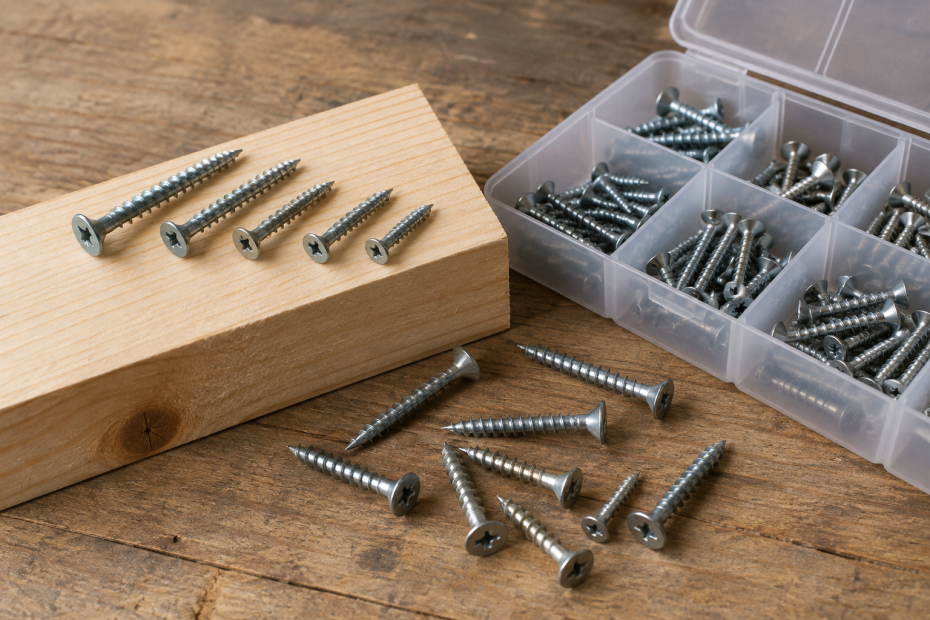
Why Wood Splits When You Fasten It Wood usually splits when a screw or nail forces its way between the fibers near an end, edge, or corner. The risk is highest with dry hardwood, narrow…
A cordless drill can drive a lag screw into wood, but only if you drill a pilot hole and keep the screw straight. Driving a large lag screw into solid lumber without a pilot can…
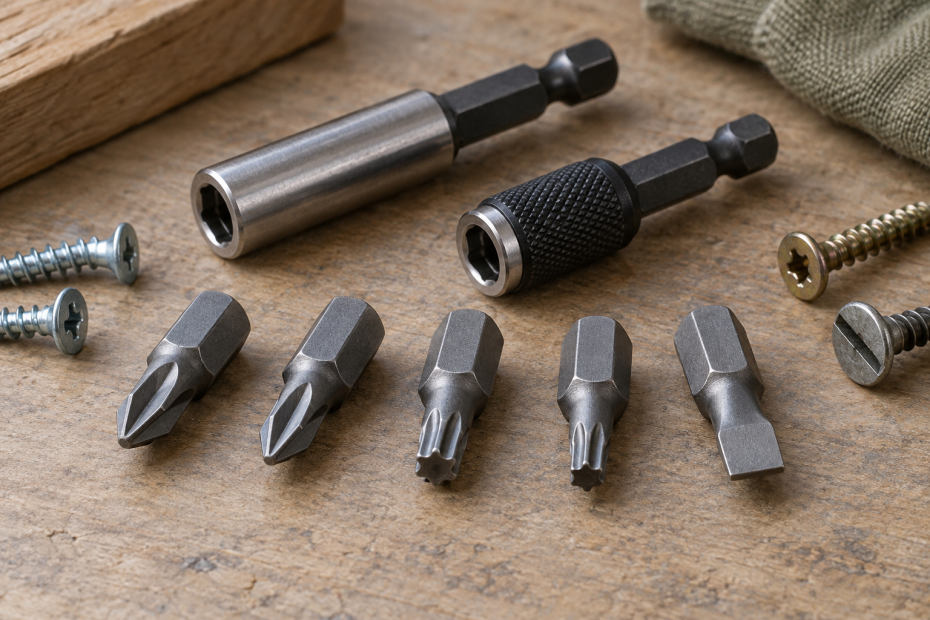
Long screws are a tough test for a driver bit. The bit has to stay seated while the screw threads pull hard against the material; if it slips or twists out of line, the tip…
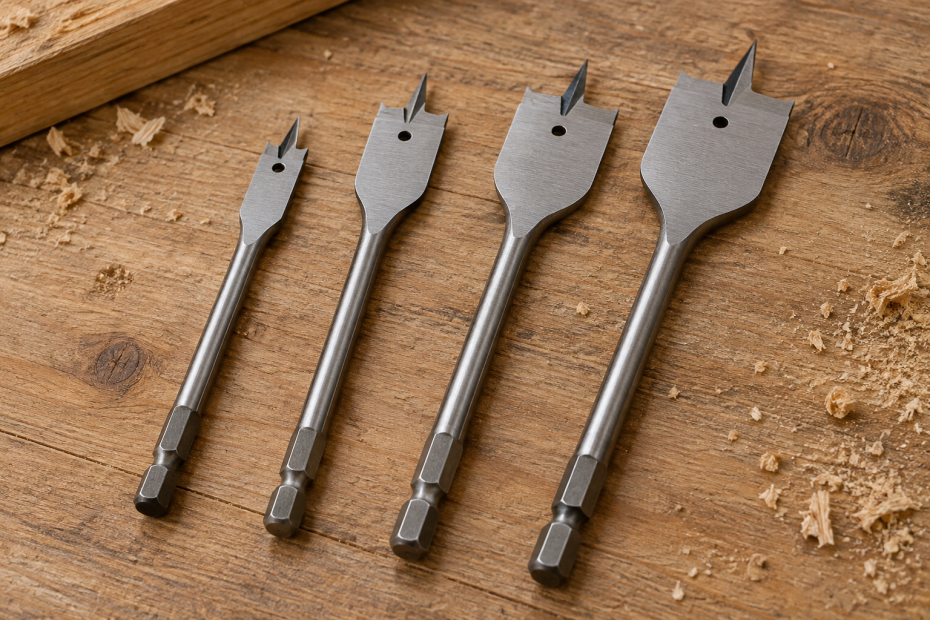
A spade bit can make a clean hole through a door, but it is aggressive: its center point and broad cutting edges can tear the face veneer as they break through. The reliable fix is…
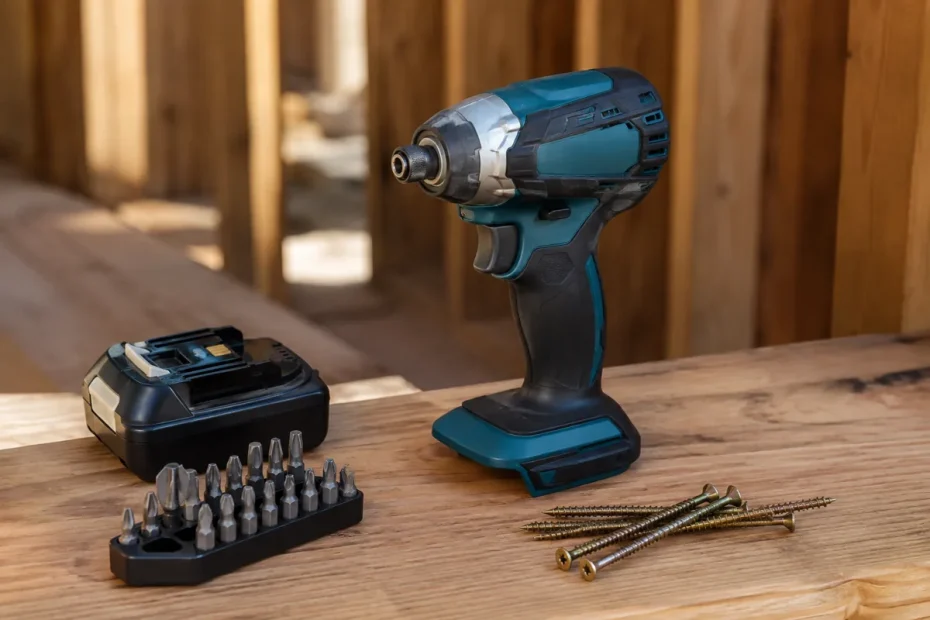
An impact driver can turn a socket adapter into a quick way to drive small fasteners, tighten lag screws, or remove stubborn bolts. The setup is simple, but a regular drill socket adapter is a…
A row of shelf-pin holes looks simple until one hole is a few millimeters out of line. Then a shelf rocks, binds, or sits at a visible angle. The reliable approach is to use a…
Drilling near the edge of a board leaves little wood to hold a screw. A pilot hole that is too small can split the board; one that is too large can leave the screw with…
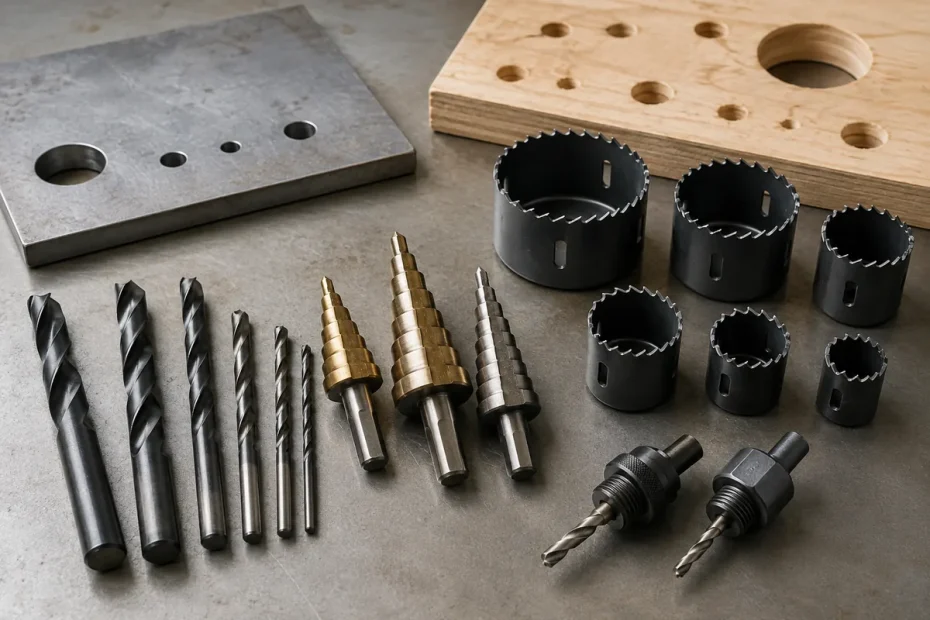
A clean lock bore is mostly a matter of using the right hole saw, supporting the door, and cutting from both sides. A hole saw forced through the full thickness in one pass can tear…
Drill speed is not a simple “faster is better” choice. The right setting depends on the bit, its diameter, the wood and whether you are drilling a pilot hole or a larger opening. Too much…