What's inside
As an Amazon Associate I earn from qualifying purchases. This post may contain affiliate links at no extra cost to you.
Choosing a colavita olive oil from this lineup means navigating a single brand’s tier system, where the same name appears on everything from a modest 25-ounce glass bottle to a 101-ounce tin that will last a busy kitchen for months. The concrete problem most buyers face is not whether Colavita makes decent oil — it does — but whether the specific variant they select matches their actual cooking volume, flavor expectations, and storage conditions. A household that drizzles oil on salads twice a week has entirely different needs than one that sautés, roasts, and bakes with it daily.
What separates a good choice from a poor one in this category comes down to three things: packaging that protects the oil from light and heat degradation, a cold-pressed or premium extraction method that preserves polyphenols and green-fruit character, and a price-per-ounce that reflects the actual volume you will consume before the oil goes stale. Colavita covers all of these variables across its range, so the question is less about quality gaps and more about matching the right product to your kitchen’s reality.
As an Amazon Associate we earn from qualifying purchases at no extra cost to you. Product prices and availability are accurate as of the date shown and are subject to change.




Quick Picks
| Product | Best for | Price |
|---|---|---|
| Colavita Premium Select Extra Virgin 33.8 oz RPET | Eco-conscious everyday cooks | $21.92 |
| Colavita Extra Virgin First Cold Pressed 68 Fl Oz | Households with steady oil consumption | $37.99 |
| Colavita Premium Italian EVOO Tin 101.4 fl oz | High-volume kitchens and food-prep professionals | $76.43 |
| Colavita Premium Selection EVOO Glass 25.5 Fl Oz | Those who prefer dark-glass storage and controlled portions | $19.22 |
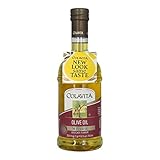
| Colavita Olive Oil 25.5 Ounce (Pack of 1) | Budget-minded first-time Colavita buyers | $14.35 |
| Colavita Premium Italian EVOO 68 fl oz Jug | Families who cook Italian-style meals weekly | $44.94 |
| Colavita Extra Virgin EVOO Pack of 2 Glass Bottles | Cooks who want backup on hand without bulk | $38.44 |
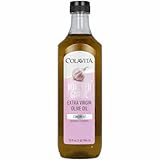
| Colavita Roasted Garlic Extra Virgin Olive Oil | Finishing dishes and quick flavor applications | $24.95 |
How We Picked
We compared published specs, current listed prices, and consistent themes in owner feedback across all eight products. The criteria that mattered most: extraction method and grade (extra virgin versus standard, cold-pressed versus blended), packaging material and its effect on shelf life (light-blocking tin and dark glass beat clear plastic and jug formats over time), price per fluid ounce as a real value metric rather than sticker price alone, and flavor profile alignment with intended use. A product that excels for roasting vegetables may feel wasted on a delicate salad dressing, so we weighted versatility against specificity.
The 8 Best Colavita Olive Oil in 2026
Colavita Premium Select Extra Virgin Olive Oil, 33.8 oz RPET
This bottle targets buyers who want extra virgin quality without committing to a large volume. The RPET container is made from recycled material, which owners frequently cite as a deciding factor. At 33.8 ounces, it sits comfortably between single-use and bulk, making it practical for a two-person household that cooks four or five evenings per week. The premium select grade places it above standard Colavita offerings in flavor complexity.
- Pro: Recycled container appeals to sustainability-minded shoppers without a price penalty over comparable glass bottles.
- Pro: Mid-size volume keeps the oil within its peak-useful window for most small households.
- Con: RPET, while lighter than plastic, still transmits more ambient light than dark glass, so store it in a cabinet rather than on a countertop.
Skip this if your kitchen runs through oil faster than eight weeks or if you need the absolute lowest price per ounce available.
Colavita Extra Virgin Oil First Cold Pressed Olive, 68 Fl Oz
Owners who prioritize extraction integrity land here. The “first cold pressed” designation signals that mechanical extraction stayed below thermal thresholds that degrade delicate flavor compounds and antioxidants. This 68-ounce format suits a family of four or a single person who braises, roasts, and finishes generously. The price sits at $37.99, making its per-ounce cost competitive with smaller premium bottles while delivering roughly double the volume.
- Pro: Cold-pressed processing preserves peppery and grassy notes that disappear with heat-extracted alternatives.
- Pro: Generous volume at a moderate price point gives strong value for regular cooks.
- Con: Larger bottles mean longer exposure once opened; if you cook oil sparingly, part of it may lose brightness before you finish it.
Pass on this if you use olive oil less than twice weekly or if you prefer finishing-grade nuances you cannot get from a bottle that sits open for months.
Colavita Premium Italian Extra Virgin Olive Oil Tin, 101.4 fl. oz.
The tin format is the most underappreciated advantage in this group. Opaque metal blocks all light, eliminating the primary driver of oxidative flavor loss in stored oil. At 101.4 fluid ounces, this is a serious workhorse container for anyone who cooks with oil daily or prepares large batches for meal prep. The premium Italian designation and extra virgin grade confirm it belongs at the top of Colavita’s tier system.
- Pro: Full light-blocking protection extends usable freshness far beyond what glass or plastic achieves.
- Pro: Highest volume in the lineup, bringing per-ounce cost down noticeably for heavy users.
- Con: Tins pour less cleanly than spouted bottles, making precise measurements messier for finishing applications.
Skip if you use olive oil as a finishing drizzle where pour control matters more than volume, or if pantry space is tight and a large tin is impractical.
Colavita Premium Selection Extra Virgin Olive Oil Glass Bottle, 25.5 Fl Oz
Dark glass has been the traditional storage medium for quality olive oil for good reason, and Colavita’s premium selection in this 25.5-ounce format pairs that with their higher-tier blending. It is a deliberate choice for cooks who want premium flavor without the commitment of a half-gallon bottle. The price of $19.22 undercuts most competitors in the premium sub-$20 tier, making it accessible for those stepping up from standard oil.
- Pro: Dark glass offers the best light protection among bottle formats, preserving aroma and polyphenols.
- Pro: Lower entry price than other premium options while maintaining extra virgin grade.
- Con: Smaller volume means more frequent repurchasing for households that cook with oil daily.
Not the right pick if your primary use is high-heat roasting or sautéing, where you burn through volume faster than a 25-ounce bottle can sustain.
Colavita Olive Oil, 25.5 Ounce (Pack of 1)
This is the gateway product. The label simply reads “olive oil” without the extra virgin designation, signaling a blend that performs well for everyday cooking but lacks the complexity of Colavita’s premium lines. At $14.35, it carries the lowest sticker price in this roundup, making it a sensible choice for someone who wants to try the brand’s flavor profile without a premium outlay. Owners describe it as neutral, clean, and dependable for sautéing and general use.
- Pro: Lowest price point in the group, removing hesitation for first-time buyers.
- Pro: Neutral flavor profile makes it versatile across cuisines without dominating other ingredients.
- Con: Not extra virgin, so it lacks the polyphenol content and fruity notes that define Colavita’s premium offerings.
Skip if you are buying olive oil specifically for its health-associated compounds or if you intend to use it raw on bread, in vinaigrettes, or as a finishing oil where flavor depth is the point.
Colavita Premium Italian Extra Virgin Olive Oil, 68 fl. oz. (2 Liters) Jug
The Italian designation carries weight in this lineup, as it confirms single-country origin rather than a multi-sourcing blend. The 2-liter jug format is practical for families that cook Italian meals three or more times weekly — pasta sauces, roasting, grilling, and salad dressings all draw from the same bottle. At $44.94, it delivers strong value for a premium-grade oil in this volume, though the jug’s wider opening exposes more surface area to air after each use.
- Pro: Single-country Italian origin provides a consistent, recognizable flavor profile.
- Pro: Competitive per-ounce pricing among extra virgin options in this lineup.
- Con: Jug-format pour openings admit more air per use compared to narrower-neck bottles, slightly accelerating oxidation.
Not ideal if you need a compact kitchen footprint or if you primarily use oil for finishing rather than cooking, where a smaller premium bottle would serve you better.
Colavita Extra Virgin Olive Oil Pack of 2 Glass Bottles
Two bottles at $38.44 works out to roughly $19.22 each, matching the single premium glass bottle’s price while giving you a sealed backup. This is a strategic purchase for cooks who want to rotate stock — keeping the second bottle unopened preserves its freshness while the first is in active use. The pack format eliminates the “almost empty at the wrong moment” problem without requiring the commitment of a single large container.
- Pro: Two-bottle rotation maintains freshness since the sealed backup is protected from air exposure.
- Pro: Glass bottles provide better pour control than jugs or tins for precision cooking.
- Con: Combined volume may exceed what a single household uses before the active bottle degrades, unless you cycle through oil quickly.
Skip if you live alone and use oil infrequently, or if pantry storage for multiple glass bottles is inconvenient.
Colavita Roasted Garlic Extra Virgin Olive Oil
This is a finishing and convenience product. Garlic-infused extra virgin olive oil eliminates a prep step — no peeling, mincing, or slow-roasting — while delivering a robust savory note that pairs directly with bread, roasted vegetables, pasta, and grilled proteins. At $24.95, it carries a premium over unflavored oils of similar volume, which owners note is justified by the convenience and depth of flavor it adds in one pour. The extra virgin base ensures it meets the same quality tier as the unflavored Colavita options.
- Pro: Combines quality base oil with garlic flavor in a single product, saving time and ingredient cost.
- Pro: Versatile for finishing, dipping, and quick flavor applications where fresh garlic would be too aggressive or inconvenient.
- Con: Higher per-ounce cost than unflavored extra virgin options, and its specific flavor profile limits use as a general-purpose cooking oil.
Skip if you are shopping for your everyday all-purpose olive oil or if you prefer to control garlic intensity dish by dish with fresh cloves.
Buying Guide
Packaging Material and Light Protection
Olive oil degrades when exposed to light, heat, and oxygen. The order of protection runs: opaque metal tin, dark green or amber glass, clear glass, and finally clear or light-colored plastic. Colavita offers all of these in this lineup, and the difference is meaningful. A tin-stored extra virgin oil will retain its fresh character noticeably longer after opening than the same oil in a translucent jug. Store any bottle in a cool, dark cabinet rather than on a windowsill or near the stove.
Grade and Extraction Method
Extra virgin is the highest grade, meaning the oil is mechanically extracted without chemical solvents or heat that breaks down flavor compounds. Within Colavita’s range, “first cold pressed” and “premium select” or “premium selection” designations further signal attention to extraction temperature and sourcing. Standard “olive oil” without the extra virgin label is typically a blend of refined and virgin oils — fine for high-heat cooking but lacking the antioxidants and taste that justify the premium. Match the grade to your use: extra virgin for raw and low-heat applications, blended for high-heat.
Volume and Consumption Rate
Olive oil has a practical peak-useful window of roughly six to twelve months after opening, depending on storage conditions. Buying a large tin or jug only makes sense if your household will finish it within that window. A one- or two-person household that cooks with oil three or four evenings per week will likely get the best flavor from a 25- to 34-ounce bottle. A family that roasts, sautés, and dressings daily will justify the 68-ounce or 101-ounce formats. Calculate your weekly usage before committing to volume.
Our Verdict
The overall top pick is the Colavita Premium Italian Extra Virgin Olive Oil Tin at 101.4 fluid ounces. The combination of opaque metal storage, premium Italian origin, extra virgin grade, and the lowest per-ounce cost in the lineup makes it the best value for anyone who uses olive oil regularly. The Colavita Olive Oil at $14.35 earns the budget pick designation — it costs the least, performs reliably for general cooking, and removes financial friction for someone curious about the brand. The Roasted Garlic Extra Virgin wins its own category outright: if your need is a quick, one-pour flavor boost for bread and vegetables, no unflavored option in this list comes close.
FAQ
Is Colavita olive oil genuine extra virgin?
Colavita’s products labeled extra virgin are certified to meet that grade’s chemical and sensory standards. The “premium select,” “first cold pressed,” and “premium selection” designations indicate higher-tier processing within their range. The product simply labeled “olive oil” without the extra virgin term is a blend and is not held to the same standard.
How long does Colavita olive oil last after opening?
Under typical home storage conditions — cool, dark, sealed — opened extra virgin olive oil maintains peak flavor for approximately six to twelve months. Tin and dark glass formats extend this window compared to jugs or clear containers. The best indicator of staleness is smell: fresh oil has green, fruity notes, while oxidized oil smells flat or waxy.
Can I use Colavita extra virgin olive oil for frying?
You can, though it is not the most economical use of a premium extra virgin oil. Its smoke point is adequate for light sautéing and pan-frying at moderate temperatures, but the delicate flavor compounds that justify its grade are destroyed by prolonged high heat. Reserve extra virgin for finishing, dressings, and low-to-medium cooking, and use a standard olive oil blend for deep frying.
What does “first cold pressed” actually mean?
It indicates that the olives were crushed using mechanical means — not centrifugal or heat-assisted extraction — during the initial pressing cycle. This method preserves more of the oil’s natural polyphenols, vitamins, and aromatic compounds. In practice, first cold-pressed oils taste fruitier and more pungent than those extracted with heat assistance, which is why the designation appears on Colavita’s premium-tier products.