What's inside
As an Amazon Associate I earn from qualifying purchases. This post may contain affiliate links at no extra cost to you.
What we cover
What drilling fence posts requires
Holes in wooden fence posts are usually larger and deeper than the pilot holes a standard drill makes for screws. You might be drilling a 3/8-inch hole for a bolt, a 1/2-inch hole for a latch, or a wider passage for wire. The right drill depends on hole size, post condition, and how many holes you need—not on the biggest torque number on the package.
For most fence repairs, a 18V or 20V cordless drill with a 1/2-inch chuck and a two-speed gearbox is a good fit. It accepts common bits, provides enough low-speed control for larger holes, and is useful for other jobs. A compact 12V drill can handle small holes and occasional repairs, but may bog down sooner with a large auger bit or in dense, wet wood.
As an Amazon Associate we earn from qualifying purchases at no extra cost to you.
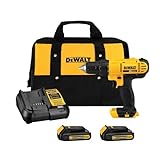

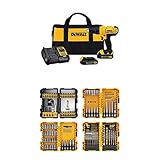

Choose a drill, not an impact driver
A regular drill gives you a variable-speed trigger and a chuck that grips round-shank bits. Those features make it the sensible choice for clean holes in wood. Use the low gear for larger bits, start slowly, and keep the drill square to the post.
An impact driver is built to turn fasteners with repeated rotational impacts. It is handy for driving long fence screws, but its quick-change hex collet limits bit compatibility, and its impact action is not ideal for controlled, clean holes. Some hex-shank wood bits work in an impact driver, but for ordinary post drilling, buy a drill first. A hammer drill’s hammer mode is for masonry; leave that mode off when drilling wood.
Cordless drill options compared
| Option | Best for | Trade-off |
|---|---|---|
| 12V drill, 3/8-inch chuck | Small holes and occasional light repairs | Compact and often cheaper, but limited for large bits |
| 18V/20V drill, 1/2-inch chuck | Most fence-post repairs and general home use | Heavier than a compact drill; battery platform adds cost |
| Higher-torque 18V/20V drill | Repeated large holes or tougher wood | More weight and expense; can twist hard if a bit binds |
For occasional work, a basic 18V cordless drill with a 1/2-inch chuck is usually enough. If you already own a battery system, buying a bare tool can save money. Check that it is compatible with your batteries before ordering.
What to look for when buying
Chuck size: A 1/2-inch chuck accepts larger bits and is the more versatile choice. A 3/8-inch chuck is fine for smaller holes, but check the bit’s shank size before buying; a bit that cannot fit the chuck is no bargain.
Two speeds and a clutch: The low-speed setting helps control larger bits. A clutch is useful for driving screws, though it normally should not limit drilling power when the drill is set to drill mode. A side handle is worthwhile on a heavier drill if you are using large bits, because a caught bit can jerk your wrist.
Battery and kit cost: A small battery keeps the drill lighter, but may run down sooner during repeated large-hole drilling. For a few holes, the battery included in a kit is generally fine. If the kit price is much higher just for a larger battery, weigh that cost against how often you will use it.
Do not choose by maximum torque alone. Published torque figures are not directly comparable across brands, and a powerful drill can still be uncomfortable or unsafe if a bit binds. For regular large holes, compare weight, grip, side-handle availability, and the cost of a second battery as well.
Bits and drilling technique
Use a sharp wood bit suited to the hole: a brad-point bit for clean, accurate smaller holes; a spade bit for faster, rougher holes; or an auger bit for deeper holes where its screw tip helps pull the bit through. Check the bit’s maximum diameter and shank size against the drill. A wood auger bit set with a compatible shank may suit repeated deep holes, but is unnecessary if you only need a couple of small bolt holes.
Mark the center and use a level or square to keep the drill aligned. Clamp or brace loose material, and support the post if it is not firmly fixed. Start at low speed so the bit does not skate. Let the bit cut; forcing it can overheat the bit, strip the wood around the hole, or make the drill lurch if the bit catches. Pull the bit back occasionally to clear chips, especially in a deep hole.
When drilling all the way through, slow down as the tip approaches the far face. To reduce tear-out, drill until the tip just emerges, then finish from the other side using the small exit hole as a guide. If you cannot reach both sides, clamp a scrap board tightly against the exit face.
Common problems and when to spend more
If a large bit stalls, stop rather than repeatedly squeezing the trigger. The hole may be packed with chips, the bit may be dull, or the drill may be in high gear. Clear the hole and switch to low gear. If the drill’s battery protection cuts power, let it cool and recharge; forcing repeated stalled starts can damage the tool or battery.
For a few holes under about 3/8 inch in sound, dry wood, a basic drill is generally fine. For frequent holes larger than that, deep boring, or dense and wet posts, a stronger 18V/20V drill and a side handle offer better control, but still use a sharp bit and clear chips. No cordless drill eliminates the risk of a binding auger. A 1/2-inch cordless drill with a side handle is worth considering if large-bit work is routine; for a one-time repair, renting or borrowing one may be cheaper than buying a heavy-duty kit.