What's inside
As an Amazon Associate I earn from qualifying purchases. This post may contain affiliate links at no extra cost to you.
What we cover
What the mechanical clutch does
A mechanical clutch lets you set a limit on how much twisting force the drill applies before it slips. When a screw seats or binds, the clutch clicks instead of continuing to drive at full force. That can help prevent stripped screw heads, snapped small fasteners, and damage to softer materials.
On a cordless hammer drill, the clutch is separate from the hammer mechanism. Use the clutch for screwdriving, the drill setting for ordinary holes, and the hammer setting for masonry. Many drills disable or bypass the clutch in drill and hammer modes, so check the manual rather than assuming the numbered collar limits torque in every setting.
As an Amazon Associate we earn from qualifying purchases at no extra cost to you.

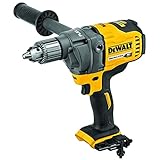
What to look for when buying
For regular fastening and occasional holes in brick or block, a 18V or 20V-class cordless hammer drill with a mechanical clutch is a practical all-rounder. Compare chuck size, weight, battery capacity, and the number of clutch settings—not just the advertised torque. A 1/2-inch chuck accepts common larger bits; a 3/8-inch model can be lighter but limits bit choice.
More clutch settings make it easier to find a repeatable setting for screws, but the numbers are not standardized across brands. They are not precise torque measurements. Start low, test on scrap of the same material, and raise the setting until the fastener seats without the clutch slipping too early.
If masonry holes are the main job, look for a hammer drill with a stated maximum masonry drilling capacity and buy bits sized for your anchors. For frequent or large holes in concrete, a rotary hammer is usually faster and less tiring. A hammer drill’s pulsing action is useful for occasional small holes, but it does not turn the tool into a rotary hammer.
Compare cordless hammer drills with mechanical clutches by the bare tool and kit versions separately. A kit with two batteries and a charger costs more up front but may be better value if you lack batteries in that platform.
Quick comparison by job
| Option | Best for | Trade-off |
|---|---|---|
| Compact 18V/20V hammer drill | Cabinet work, general fastening, occasional small masonry holes | Less comfortable or slower for repeated large holes |
| Full-size hammer drill | Frequent drilling in wood and masonry, larger bits, heavier fastening | More weight and bulk, especially overhead |
| Drill/driver without hammer mode | Wood, metal, and screws where masonry drilling is not needed | Requires another tool for brick or block |
| Rotary hammer | Repeated holes in concrete or larger masonry holes | More tool than needed for occasional small anchor holes |
A basic drill/driver is often the better buy if you only work in wood and metal. Paying extra for hammer mode makes sense when you regularly install anchors in brick or block, not simply because the feature is available.
Set the clutch for screws and fasteners
Choose a driver bit that fits the screw head snugly; a loose bit can cam out and damage the head before the clutch helps. Set the drill to low gear for larger screws, then start with a low clutch number. Drive a test screw. If the clutch clicks before the head is seated, increase the setting one step and try again. Stop when the screw seats cleanly without sinking too far or crushing the material.
Clutch settings are less reliable with very short screws, soft materials, or fasteners that suddenly encounter a knot. For those jobs, use a slower trigger and finish by hand if needed. If a screw keeps stripping, check bit fit and screw quality before simply raising the clutch. More force can make the damage worse.
For repeated work with small screws, a cordless drill/driver with a mechanical clutch may be cheaper and lighter than a hammer-drill model. It is the sensible choice when masonry drilling is not part of the job.
Drill masonry holes without fighting the tool
Use a sharp masonry bit of the diameter specified for the wall anchor. Mark the hole, hold the drill square, and begin at a controlled speed. On brick or block, hammer mode is usually appropriate; on fragile tile, plaster, or brittle surfaces, begin without hammer action to reduce cracking. Follow the anchor maker’s instructions for hole depth and diameter.
Dust can make a bit run hot and slow. Withdraw it periodically to clear debris, especially in deeper holes, and avoid leaning hard on the drill. Excess pressure can stall the bit, overheat it, or make the hole wander. If the drill struggles in hard concrete or you need many holes, switch to a rotary hammer rather than forcing the hammer drill.
Keep a firm two-handed grip when drilling larger holes. A bit that catches can twist the drill suddenly, even on a clutch-equipped model: the clutch is not a dependable hand-injury safeguard in hammer mode. Wear eye protection, keep the workpiece stable, and stop if the bit binds.
A practical buying checklist
Before choosing, check the tool’s weight with a battery installed, whether the kit includes batteries and a charger, the warranty, and compatibility with batteries you already own. A 2.0Ah battery is lighter for short jobs; a higher-capacity pack can provide more runtime but adds weight. Battery capacity does not by itself tell you how powerful the drill is.
Choose the least expensive tool that fits the work you actually do. For occasional anchor holes and everyday screws, a midrange hammer drill with a clutch is enough. For mostly fastening, skip hammer mode and save the money. For sustained concrete drilling, buy the rotary hammer suited to the hole sizes and frequency instead of expecting a cordless hammer drill to do that job comfortably.