What's inside
As an Amazon Associate I earn from qualifying purchases. This post may contain affiliate links at no extra cost to you.
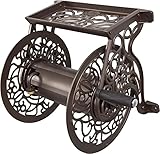
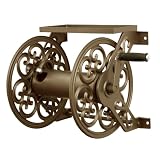
A hose reel filled with water puts more strain on a wall than its empty weight suggests. Pulling hose off the reel creates repeated outward and sideways forces, and a sudden tug can loosen a weak anchor. For a typical reel mounted to sound brick, the dependable choices are a correctly sized masonry screw or a sleeve anchor. The right pick depends on the reel’s mounting holes, the brick’s condition, and whether you’re drilling into brick or mortar.
As an Amazon Associate we earn from qualifying purchases at no extra cost to you.

What we cover
Choose the Right Location
Mount the reel in the face of a sound brick whenever possible. Mortar joints are usually softer and more prone to crumbling, so an anchor there may loosen under repeated pulling. Avoid cracked, spalled, or visibly deteriorated brick. If the hole location lands near a brick edge, shift the bracket if you can: drilling too close to an edge can split the brick. As a practical rule, leave at least 1½ inches from the hole to an edge, and more is better for larger anchors.
Check the reel bracket’s hole diameter and the fastener instructions before buying. Many hose reels use mounting holes that accept ¼-inch or ⅜-inch hardware, but do not assume. Also check that the bracket sits flat. A gap behind it lets the bracket flex and can magnify the load on the anchors; use suitable noncompressible spacers if needed, not a stack of soft washers.
Anchor Options at a Glance
| Anchor type | Typical fit | Advantages | Trade-offs |
|---|---|---|---|
| Masonry screw | Light to moderate reels; sound brick | Fast installation; removable; no separate plug | Depends on a clean, correctly sized pilot hole; can strip or spin in weak brick |
| Sleeve anchor | Heavier reels or greater pull-out concern | Expands in the hole and offers a firm mechanical hold | Needs more drilling depth and clearance behind the bracket; can damage weak brick if overtightened |
| Plastic masonry plug | Light-duty brackets and low loads | Inexpensive and easy to install | Less forgiving of repeated hose pulls; unsuitable for poor brick or a heavy, full reel |
Best Choice for Most Jobs: Masonry Screws
For a standard residential hose reel on solid, intact brick, masonry screws are usually the simplest sensible choice. They cut into a pilot hole rather than expanding a sleeve, which reduces the risk of splitting brick when the hole is positioned properly. Buy screws intended for masonry, not ordinary wood or drywall screws. A common diameter is ¼ inch, but the bracket hole and anchor packaging decide the actual size. Use the length specified for the bracket and the required embedment; a screw that barely enters the brick is not an upgrade just because it is thicker.
Choose a masonry screw assortment only if it includes a bit sized for the screws or you can buy the exact matching bit. Pilot-hole diameter matters: too small can make installation difficult or crack brick; too large can leave the threads with little to grip. Drill the hole to the specified depth, clear out dust, then drive the screw snugly. Stop when the bracket is secure. Forcing it after it has seated can strip the hole.
A basic hammer drill is useful in brick, but use a standard drill setting if the brick is soft or brittle. Hammer action speeds drilling in hard masonry, yet it can chip the surface or enlarge a marginal hole. Keep the drill straight and let the bit cut rather than leaning heavily on it.
When to Use Sleeve Anchors
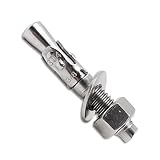
A sleeve anchor is a better candidate for a heavier reel, a bracket with larger holes, or a mounting location where a screw anchor is not specified. Tightening the nut draws the anchor’s cone into its sleeve and presses the sleeve against the hole walls. This mechanical expansion can hold well in sound brick, but it is not a cure for crumbly masonry. Expansion pressure can split a brick, especially near an edge or in a small piece of damaged masonry.
Match the sleeve anchor diameter to the bracket and follow its stated minimum embedment and hole depth. The hole must be deep enough to accept the anchor without bottoming out on dust. After drilling, vacuum or blow out the hole carefully; masonry dust can prevent proper seating. Tighten to the manufacturer’s instructions, not by guessing with a long wrench. If the anchor spins before the bracket is tight, do not keep turning it. Remove it, inspect the hole, and relocate or choose a suitable alternative.
For a higher-load installation, compare stainless steel sleeve anchors with coated options. Stainless resists rust better in a wet outdoor location, but material and anchor capacity must still suit the application. Follow the anchor maker’s data rather than relying on a generic load rating: brick type, edge distance, spacing, and installation quality all affect capacity.
When Cheaper Anchors Are Fine
A plastic masonry plug can be adequate for a small, lightweight reel on good brick if the bracket has several fasteners and the manufacturer permits plug-and-screw mounting. It is the budget choice, not the choice for a heavy reel that will be yanked hard every day. Plastic can creep or loosen over time, particularly outdoors where temperature changes and repeated loading work against it. If the reel’s instructions call for masonry screws or metal anchors, follow them instead.
Drilling and Installation
Use a carbide-tipped masonry bit of the exact diameter specified for the anchor. A cordless hammer drill can handle typical holes; select a drill with enough battery and torque to avoid stalling, but do not compensate for a dull bit by pressing harder. Wear eye protection, hold the tool square to the wall, and check for hidden wiring or plumbing before drilling. Drill slightly deeper than the required embedment only if the anchor instructions allow it, leaving room for dust at the bottom.
Install every fastener in the bracket, then pull the reel gently in several directions before loading it. Recheck for movement after the first few uses. If a hole crumbles, an anchor spins, or a crack appears, stop using that location. Move the bracket to fresh, sound brick with proper spacing rather than trying to rescue a failed hole with a larger screw. A good anchor cannot make bad masonry reliable.