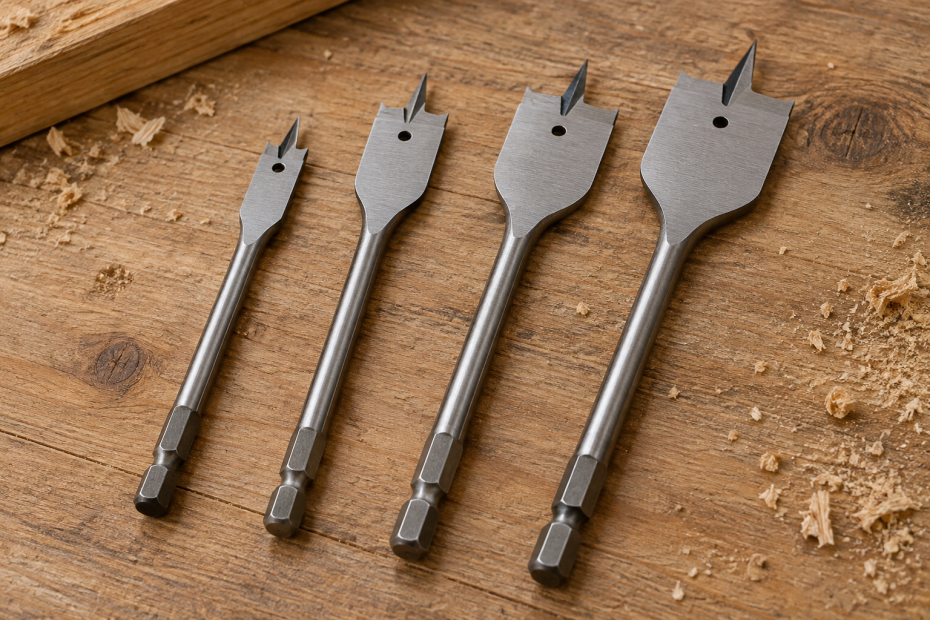
How to Bore a Large Hole in a Timber Beam with a Spade Bit
Boring a large hole through a timber beam is straightforward if you control the drill and use the right bit. It becomes a problem when the bit catches, the drill stalls, or the hole weakens…
Boring a large hole through a timber beam is straightforward if you control the drill and use the right bit. It becomes a problem when the bit catches, the drill stalls, or the hole weakens…
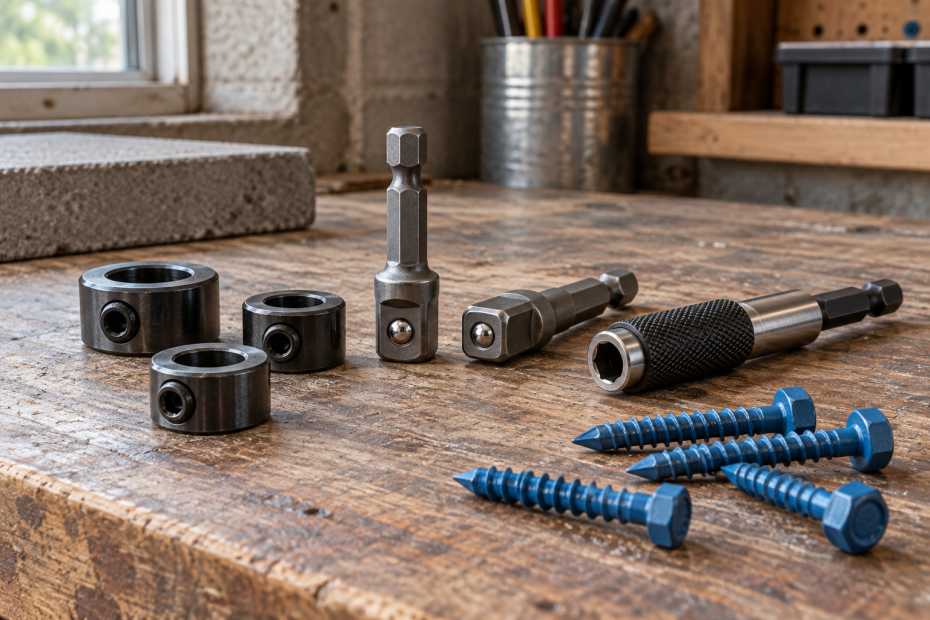
A timber post base keeps the end of a post off wet concrete and transfers loads into the footing. The right fastener depends on the base’s hole pattern, the footing, and whether the connection must…
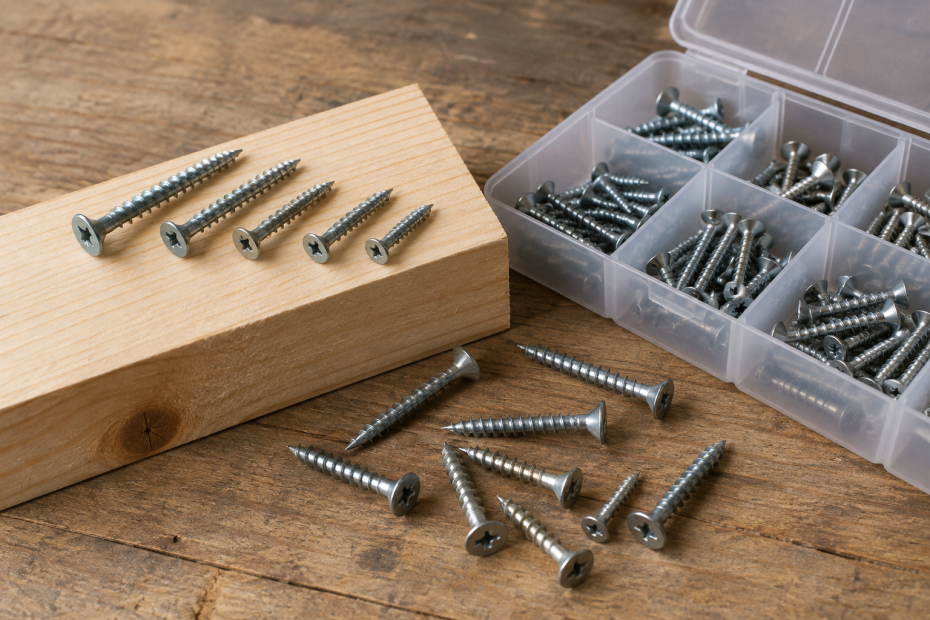
Choose the right fasteners A metal shelf bracket attached to a wood stud needs screws long enough to pass through the bracket and drywall and get a solid bite into the stud. Drywall anchors are…
A wood cleat is only as secure as the fasteners holding it to the wall. The right method depends on the cleat’s load, the concrete, and whether the wall is poured concrete or concrete block.…
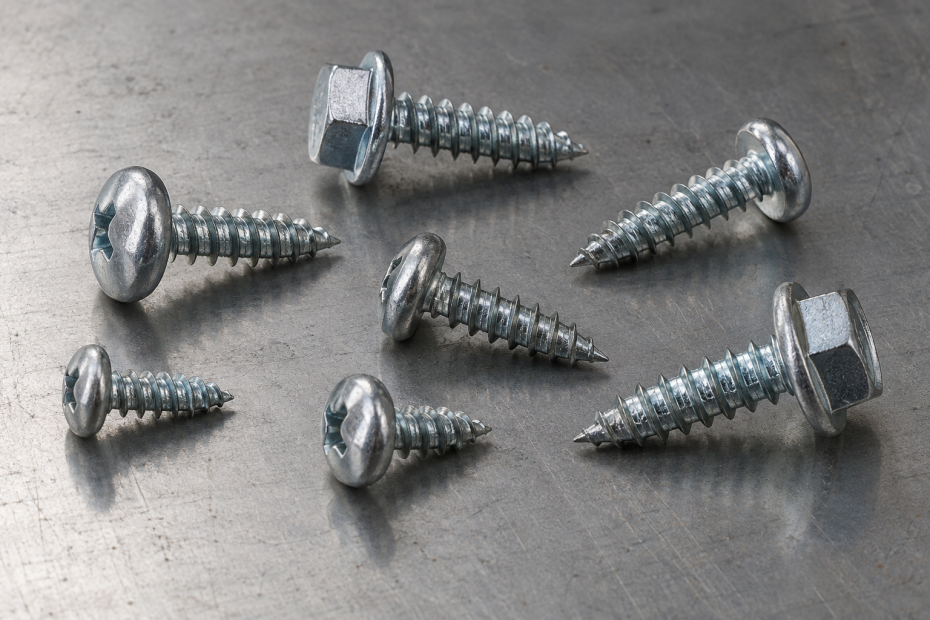
Driving a self-tapping screw into a steel frame is straightforward when the screw, drill bit and tool suit the steel thickness. The main errors are choosing a screw meant for thin sheet, drilling an oversized…
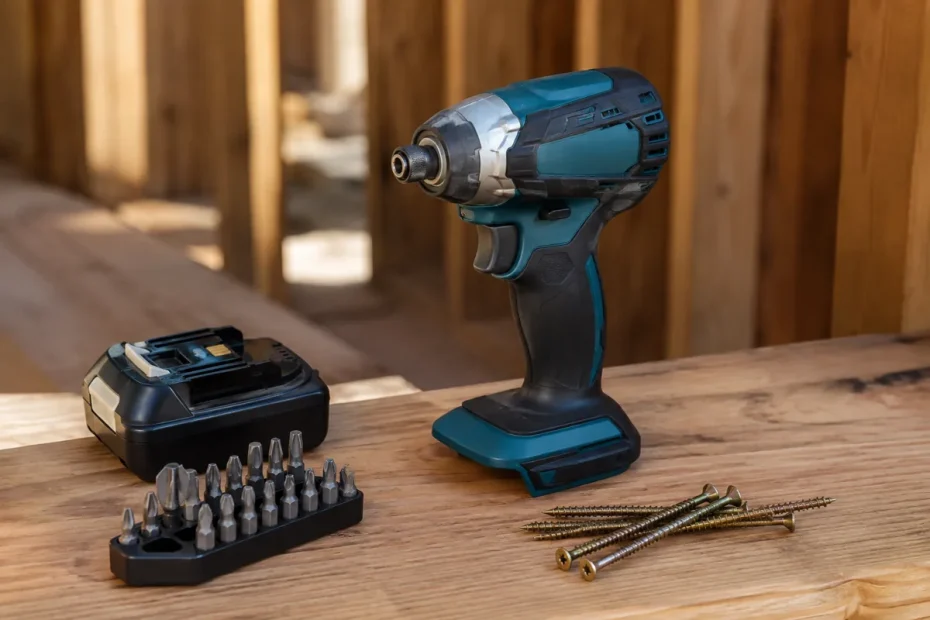
What Structural Screws Are Structural screws are purpose-made fasteners for joining load-bearing wood, such as attaching a ledger to a rim joist or fastening framing members together. Unlike ordinary deck or drywall screws, they are…
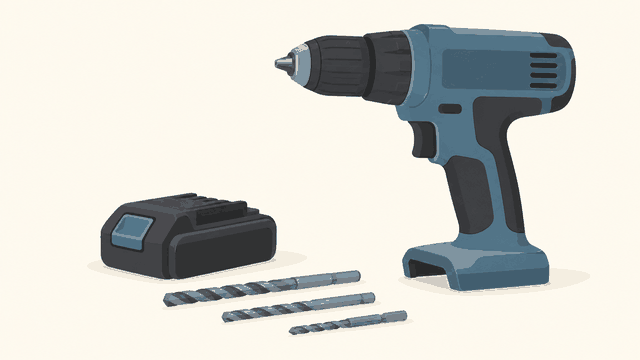
Overdriven screws are easy to spot: the head sits below the surface, the material is crushed around it, or the driver bit has chewed up the recess. The fix is usually not a more powerful…
A depth collar is a small stop that clamps around a drill bit. It limits how far the bit enters the material, helping you make anchor holes that are deep enough without drilling unnecessarily far…
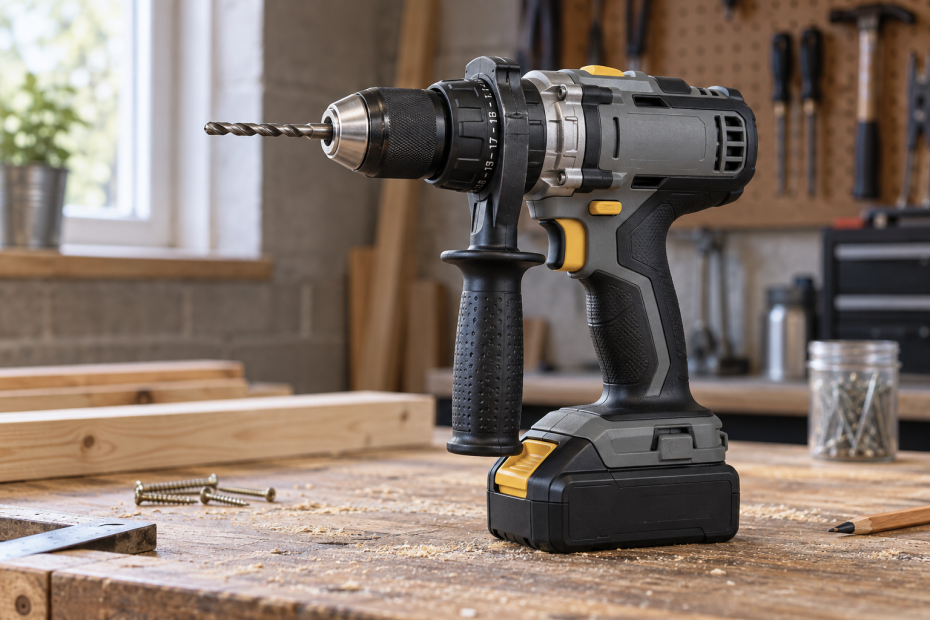
A hammer drill can make clean holes in brick and concrete, but its extra force can also chip a brick face, widen a hole, or crack the edge of a block. The safest approach is…
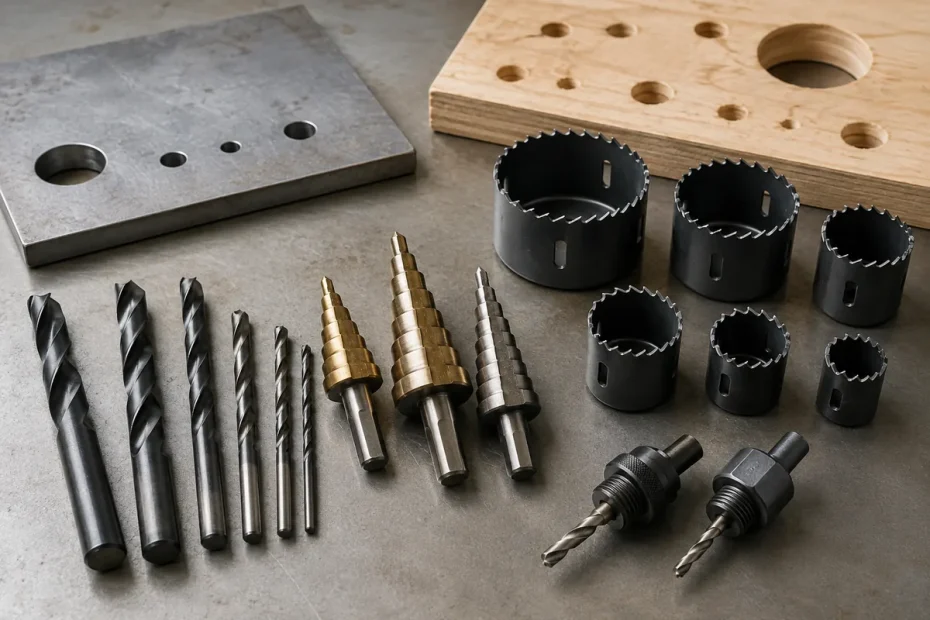
A hole saw binds when its teeth stop cutting freely and the cup twists against the wood. The usual causes are too much feed pressure, packed sawdust, dull or damaged teeth, or a cut that…