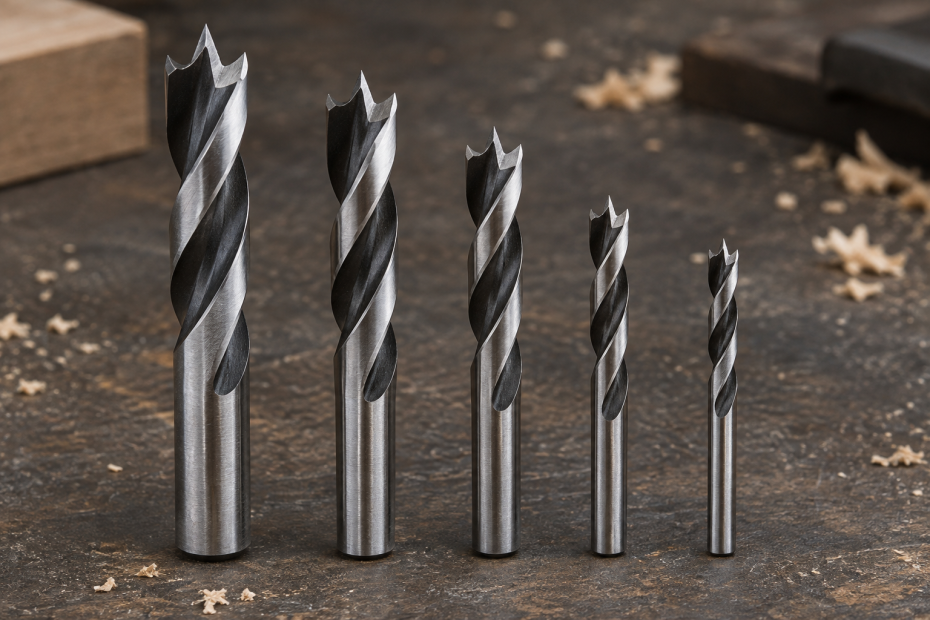
Best Drill Bits for Drilling Angled Holes in Wood
Drilling an angled hole in wood is harder than drilling straight into a flat surface. The bit tends to skate when it first touches the workpiece, then wanders as the flutes cut at an uneven…
Drilling an angled hole in wood is harder than drilling straight into a flat surface. The bit tends to skate when it first touches the workpiece, then wanders as the flutes cut at an uneven…
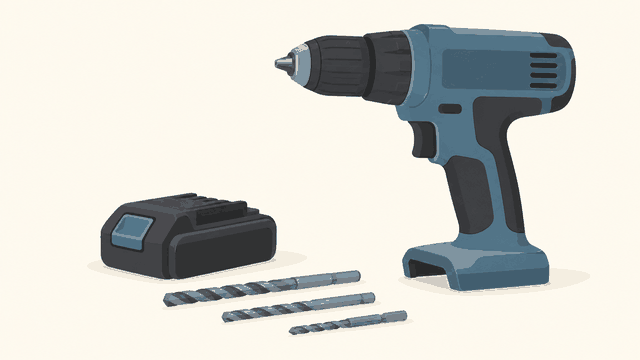
Best Cordless Drill Accessories for Cabinet Installation Cabinet installation is mostly a control problem, not a power problem. You need to drill straight, avoid splitting narrow cabinet parts, drive screws without stripping them, and locate…
Small furniture assembly is a light-duty job, but the wrong drill can still split a panel, strip a screw head or make a simple project harder than it needs to be. A compact 12-volt drill…
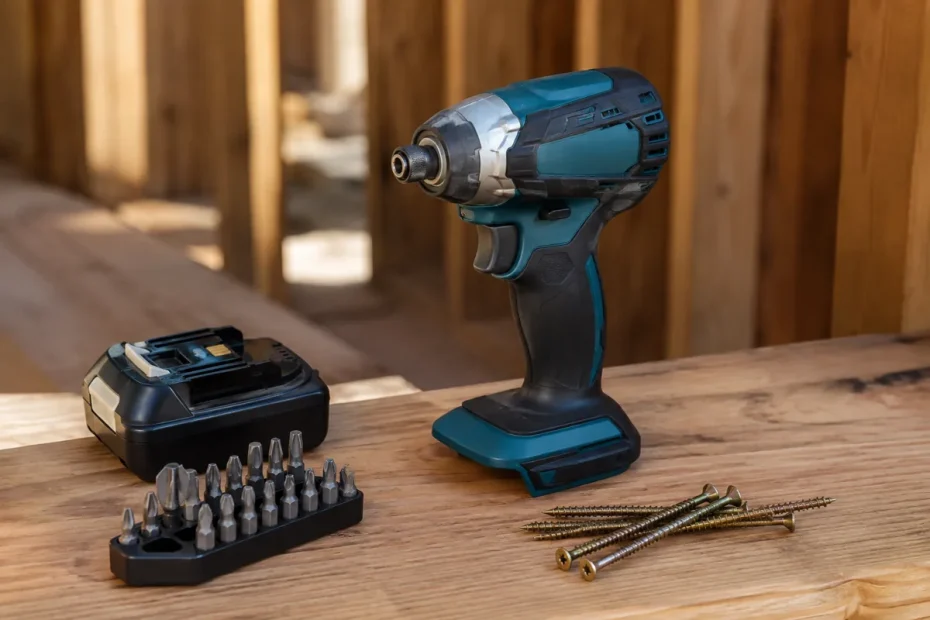
Phillips screws are easy to drive until the bit starts climbing out of the recess. That cam-out can chew up the screw head, damage the workpiece, or leave a screw stuck halfway in. An impact…
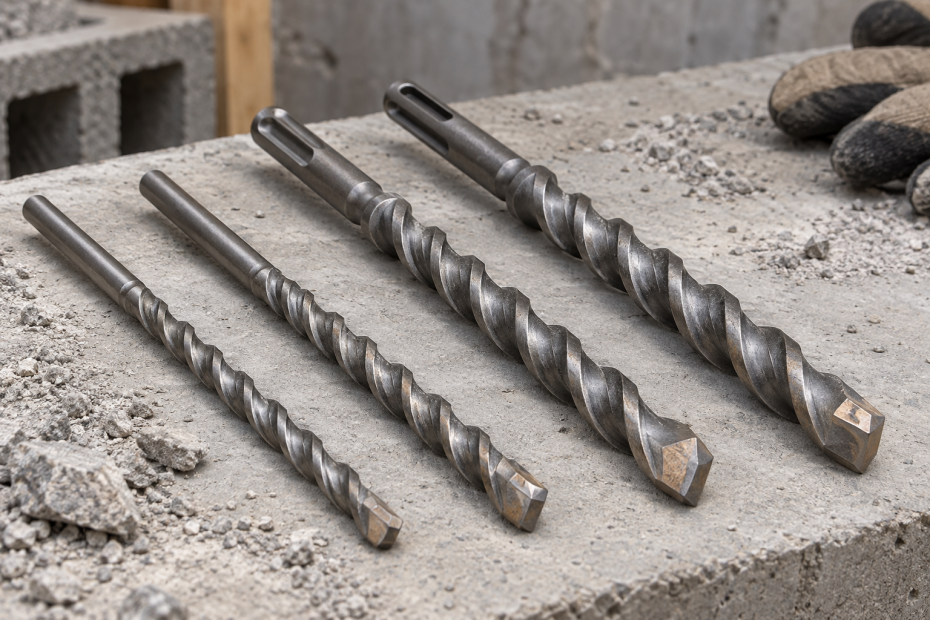
Soft brick and mortar are easy to damage with the wrong bit. A large hammer drill bit can blow out the back of a brick, widen a hole, or turn a sound mortar joint into…
Pressure-treated lumber is wet, dense, and often tougher on bits than ordinary framing lumber. The right choice depends on the hole: a few clearance holes call for a different bit than repeated deep holes for…
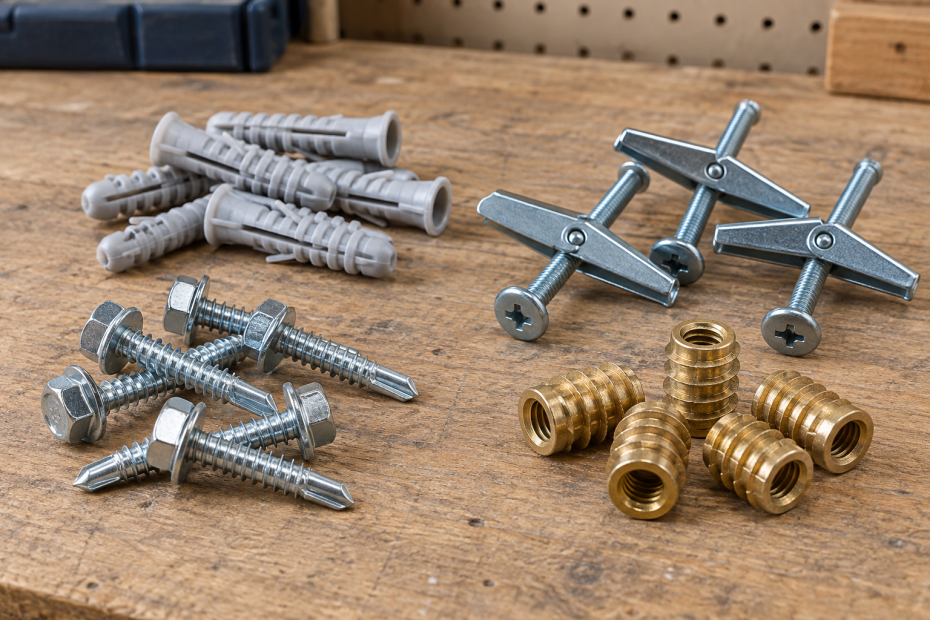
Removing a drywall anchor is usually a five-minute repair, but the wrong tool can turn a small hole into a crater. The best choice depends on the anchor type, whether it is still gripping the…
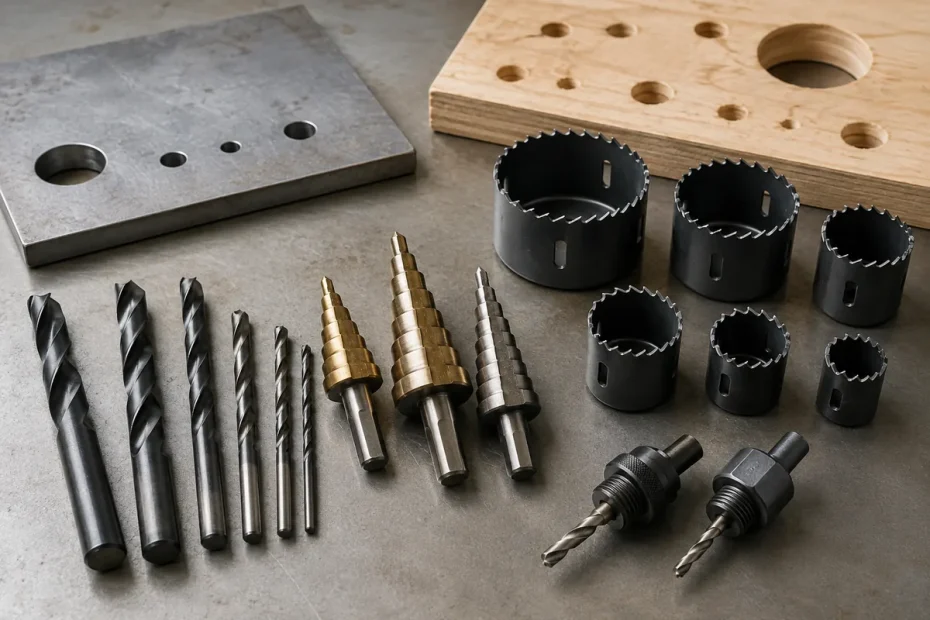
Choose the Right Hole Saw For a recessed electrical box, the right hole saw depends on the wall, not just the box. Many single-gang old-work boxes need an opening around 3½ inches wide, but dimensions…
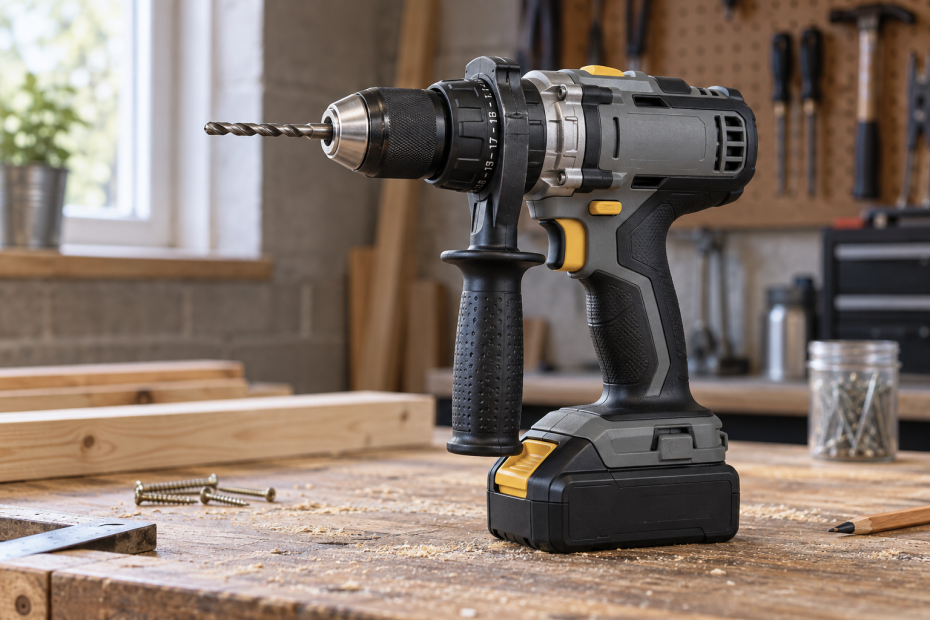
What the tool needs to do Concrete screws are not installed by drilling the screw straight into masonry. You first drill a pilot hole to the diameter and depth specified for the screw, clear out…
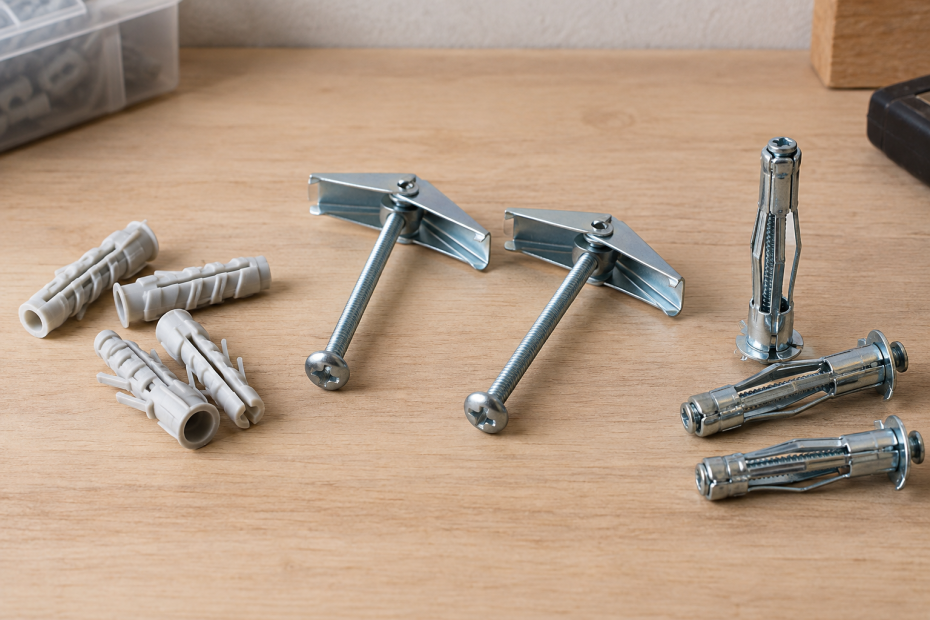
When a shelf must fit between two studs, the wall anchors—not the shelf brackets—carry the load. The right choice depends on the wall material, the shelf’s weight and depth, and whether the fastener can land…