We research everything we recommend. When you buy through our links, we may earn a commission. As an Amazon Associate we earn from qualifying purchases.
Best Hex Key Sets: Ball-End, Folding and T-Handle Picks
Compare the best hex key sets in metric and SAE sizes, including ball-end L-wrenches, folding sets and color-coded keys for bikes, furniture and machinery.
Compare the best hex key sets in metric and SAE sizes, including ball-end L-wrenches, folding sets and color-coded keys for bikes, furniture and machinery.
A hex key set looks like the simplest tool in the box, right up until a rounded fastener, a recessed bolt on a bike derailleur, or a flat-pack screw buried at an angle proves otherwise. Good sets earn their keep with hardened steel that does not twist, ball ends that drive fasteners from an angle, and sizes that are easy to find. Cheap sets skip on all three counts, and the difference shows the first time a key snaps inside a bolt head.
The five sets below cover the main formats. There is an American-made ball-end double pack that spans metric and SAE, a color-coded Wera set, a folding Klein set, a boxed Eklind metric set with long-reach keys, and a 30-piece TEKTON kit that mixes long and short patterns in one case.
As an Amazon Associate, we earn from qualifying purchases.
The Bondhus 20199 Balldriver double pack is the set to buy first: 22 ball-end L-wrenches covering metric and SAE sizes in hardened ProGuard-finished steel, made for daily shop use. If you work mostly on bikes and metric machinery and want instant size identification, choose the color-coded Wera 950 SPKL/9 set instead. For a pocketable backup that also covers Torx fasteners, the folding Klein Tools 70543 is the practical pick.
How to Choose
Start with the fastener standard. Metric keys fit the socket-head screws used on bicycles, motorcycles, European machinery, and most modern equipment, while SAE inch sizes dominate older American machinery, gym equipment, and some furniture. Check the size range: bike and furniture jobs live between 2 mm and 8 mm, while machinery and automotive work reaches for the larger keys.
Ball ends are the biggest functional upgrade. A ball-end key enters the socket at an angle of up to about 25 degrees, which lets you spin fasteners in recessed or obstructed spots where a straight key cannot line up. Sets pairing a ball end on the long arm with a plain end on the short arm give you both behaviors in one tool.
Format decides how the set lives in your kit. Loose L-wrenches in a holder are fastest for bench work and let you replace a single lost size. Folding sets keep every key captive in one handle, ideal for a bike bag, a glove box, or site work where loose keys vanish. T-handle keys give the best grip and spin speed for repetitive assembly, though they take more drawer space.
Material and finish separate the keepers from the disposable sets. Look for hardened alloy steel, such as chrome vanadium or the proprietary steels used by Bondhus and Wera, plus a corrosion-resistant finish for damp garages. Hex-Plus profiles, used by Wera, reshape the contact faces to reduce rounding of the fastener. Whatever the brand, clear size marking on every key saves real frustration.
The Bondhus 20199 is the benchmark ball-end set for general shop work. It bundles two holders: the metric 10999 set running from 1.5 mm to 10 mm and the SAE 10937 set from .050 inch to 3/8 inch, for 22 keys in total. Every long arm ends in a ball tip that drives fasteners at up to a 25-degree entry angle; the short arms stay plain for breaking torque.
Bondhus machines the keys from Protanium steel and coats them with its ProGuard finish, a dry corrosion-resistant coating. The company rates its ball ends stronger than rival designs because the ball is machined to full working depth rather than necked down aggressively. For mechanics, millwrights, and home shops that reach for hex keys daily, this double pack is the default answer.
Wera takes a different approach: make the right size impossible to miss. Each key in the 950 SPKL/9 set wears a color-coded, wear-resistant plastic sleeve printed with its size, so the 5 mm you need is a color, not a number you squint at. The nine metric keys run from 1.5 mm to 10 mm and use Wera’s Hex-Plus profile, which reduces the notching that rounds out fasteners.
The long arms carry ball ends for angled access, and the BlackLaser treatment hardens the exterior and resists corrosion. A compact clip releases one key at a time. Cyclists, motorcycle owners, and anyone maintaining metric machinery will appreciate how quickly the colors map to sizes mid-job. It is metric-only, so SAE work needs a second kit, but within its standard it is the most user-friendly option here.
Specs
Spec
Detail
Pieces
9 keys with storage clip
Sizes
Metric 1.5 to 10 mm
Style
L-wrench, ball end on long arm
Profile
Hex-Plus with BlackLaser finish
Identification
Color-coded take-it-easy sleeves
Klein Tools 70543 3-Piece Compact Folding Hex Key Set
Klein Tools 70543 3-Piece Compact Folding Hex Key Set
The Klein 70543 folds three caddies into one pocketable system: a nine-key SAE set, a nine-key metric set, and a seven-key Torx set, 25 keys total. Each caddy opens like a pocket knife, and the keys pivot out and lock into working positions, including a straight-out position that turns the caddy into a T-style driver for extra leverage.
Folding sets trade a little speed for total accountability: no key can be left behind or lost in a drawer because every key stays attached. That makes the 70543 a strong choice for field service, facilities maintenance, and bike bags. Reach is shorter than a long-arm L-wrench, so deep recesses are its limit, but for fasteners met away from the bench, it covers SAE, metric, and Torx in one handful.
Eklind’s 13613 is the traditionalist’s metric set: 13 long-series ball-end L-keys in a fitted metal box, made in the USA from alloy steel. The long pattern gives extra reach and leverage on machine screws set deep in housings, and the ball ends allow angled entry up to about 25 degrees. Sizes are stamped on the keys and the box keeps each one in its own slot.
Eklind heat-treats its steel for a balance of hardness and toughness, resisting both the rounding that plagues soft keys and the snapping that plagues brittle ones. The black finish shrugs off shop grime and light corrosion. There is no color coding and no SAE coverage, so this set suits a metric-focused bench, such as a bike shop or a machine shop running metric equipment.
The TEKTON 25253 solves the coverage problem with volume: 30 keys spanning both patterns and both standards in a single hinged case. The SAE side runs from .028 inch to 3/8 inch in a long pattern, and the metric side runs from .7 mm to 10 mm in a short pattern. Every size is marked, and the case lays the keys out in order.
TEKTON makes the keys from chrome vanadium steel with a black-oxide finish and chamfered ends that seat into sockets cleanly. Having both patterns matters: the long keys handle reach and leverage on machinery, while the short metric keys fit tight spots on bikes and furniture where a long arm will not swing. For a first comprehensive set covering a mixed fleet of equipment, the 25253 is the value play here.
Specs
Spec
Detail
Pieces
30 keys in hinged case
Sizes
SAE .028 to 3/8 in long pattern; metric .7 to 10 mm short pattern
Style
L-wrench, straight ends
Material
Chrome vanadium steel, black-oxide finish
Marking
Size marked on each key and case slot
Who Should Skip It
Skip a premium set if your only hex work is occasional flat-pack furniture, where the included key and a basic folding set will do. Machinists who drive socket-head cap screws all day should look at hex bit socket sets for a ratchet or impact driver instead, since hand keys are slow for production work. And if your equipment is entirely one standard, a combined set means paying for keys that will never leave the holder.
FAQ
What is the difference between ball-end and standard hex keys?
A standard key has a plain hexagonal end that must enter the socket straight on. A ball-end key has a rounded, ball-shaped tip that can drive the fastener from an angle of up to about 25 degrees, which is invaluable in recessed or obstructed spots. The ball section is weaker, so use the plain short arm to break fasteners loose and to apply final torque, and the ball end to run them in and out quickly.
Do I need both metric and SAE hex keys?
If you work on bicycles, motorcycles, modern cars, or imported machinery, metric covers nearly everything. Older American machinery, exercise equipment, and some furniture still use SAE inch sizes. Forcing a close-but-wrong key from the other system is how socket heads get stripped, so mixed workshops are better off with a combined set like the Bondhus double pack or the TEKTON 25253.
Are folding hex key sets as good as loose L-wrenches?
They cover the same fasteners, and the captive design means no lost keys, which is why folding sets suit field work and bike bags. Loose L-wrenches are faster at the bench, offer longer reach, and let you replace one worn size instead of a whole caddy. Many mechanics keep both: L-wrenches on the bench and a folding set like the Klein 70543 in the truck.
How do I stop hex keys from rounding out fasteners?
Seat the key fully before turning, keep it aligned with the fastener axis, and use the correct size and system. Profiles like Wera’s Hex-Plus spread the load across the socket flats and reduce rounding, and finishing torque with the short arm of an L-wrench keeps ball ends from being overloaded.
Final Verdict
For a single set that will handle years of mixed shop work, the Bondhus 20199 double pack is the buy: real ball-end performance, both measurement systems, and steel that holds up to daily use. Metric-focused users who value fast size identification should take the Wera 950 SPKL/9, while the Klein 70543 is the set to carry rather than store. The Eklind 13613 serves a metric bench wanting a boxed, long-reach set, and the TEKTON 25253 delivers the broadest coverage per case.
M
Miller the Driller Editorial Team
We compare specs, warranty terms, long-term owner feedback and street pricing before anything earns a spot. Rankings are never paid.
Affiliate disclosure. As an Amazon Associate we earn from qualifying purchases at no extra cost to you. Prices accurate as of the date shown.
Three wireless routers for small offices compared on device capacity, network separation, wired speed, and coverage, with specs taken from their Amazon listings.
Compare 5 mechanic tool sets for car repairs: a 247-piece DEWALT kit, a 450-piece CRAFTSMAN set, a drawer-box GEARWRENCH set, a 170-piece Crescent set and a 450-piece WORKPRO set.
Four splitting axes and mauls that actually split firewood: a long 36-inch axe for tall users, a shorter 28-inch option, and two 8 lb mauls for knotty rounds.
Learn whether a 20V rechargeable drill battery can be repaired, which faults you can check safely at home, and when replacing the pack is the safer choice.
A specs-based review of the officially licensed Retro-Bit Sega Saturn 2.4 GHz wireless controller: dual receivers, Genesis Mini and Switch support, battery, layout, limits, and FAQs.
Find the best drill battery for Power Wheels ride-on toys for families, with DeWalt, Milwaukee and Ryobi adapters, voltage and safety guidance in this guide.
Find the best hole saw for noching dom pipe: bi-metal saws, deep cups, and the right sizes for clean, tight notches in DOM tube for fabrication shops today.
Find the best diy tile saws for home tiling projects. Compare wet tile saws by blade size, cutting capacity, and features for ceramic and porcelain tile.

 Bondhus 20199 Balldriver L-Wrench Double Pack
 Wera 950 SPKL/9 SM N Multicolor L-Key Set
 Klein Tools 70543 3-Piece Compact Folding Hex Key Set
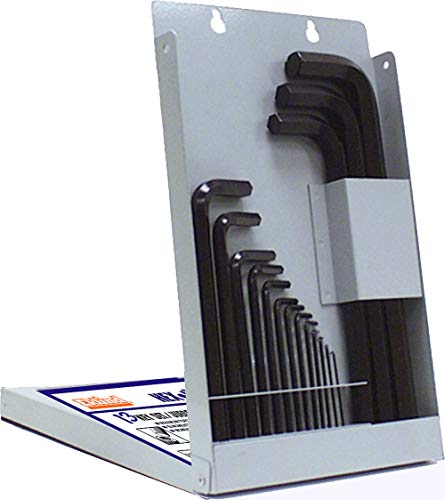 Eklind 13613 Ball-Hex-L Key Set
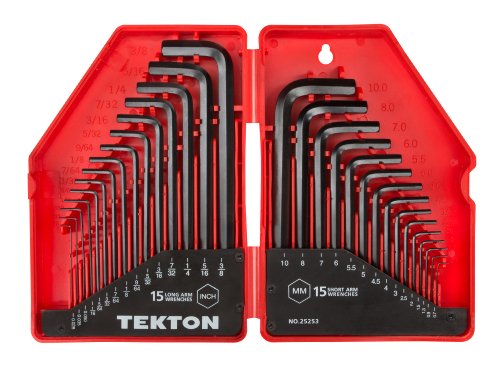 TEKTON 25253 Hex Key Wrench Set, 30-Piece









