We research everything we recommend. When you buy through our links, we may earn a commission. As an Amazon Associate we earn from qualifying purchases.
Best Plasma Cutters for Home Shops and Metalwork Projects
Compare the best plasma cutters for home shops and metalwork, with pilot arc starting, dual voltage input and clean cut ratings for steel plate work.
A plasma cutter turns jobs that used to mean a grinder, a saw, or an oxy-fuel rig into a quick pass with a torch: rusty brackets come off cleanly, sheet metal follows a template, and plate gets trimmed to size. Modern inverter machines have shrunk to carry-handle size, run on household or shop circuits, and start arcs without dragging the tip on the work. For a home shop, a 50 to 65 amp dual-voltage machine is the practical sweet spot.
The five cutters below cover that class from different angles: the long-running LOTOS LT5000D, the PrimeWeld CUT50DP with its pilot arc and three-year warranty, the stronger YESWELDER CUT-65DS PLUS for thicker plate, the ARCCAPTAIN CUT50, and the S7 CUT50. All five need an external air compressor, cut steel, stainless, and aluminum, and run on either 110 or 220 volt input with output to match the supply.
As an Amazon Associate, we earn from qualifying purchases.
The PrimeWeld CUT50DP is the best first plasma cutter for most home shops: a non-touch pilot arc that starts on painted and rusty metal, automatic dual voltage, a half-inch clean cut on 220 volt power, and a three-year warranty. Buyers who cut plate thicker than a half inch should choose the 65 amp YESWELDER CUT-65DS PLUS, while the LOTOS LT5000D remains a proven alternative in the 50 amp class.
How to Choose
Cut ratings come in two flavors, and listings blur them. The clean cut rating is the thickness the machine severs in one pass with an edge you can weld with minimal cleanup. The severance rating is the thickest material it will get through, slowly, with a rough edge needing grinding. Shop by the clean cut number: a half inch covers trailer frames, farm repairs, and most fabrication, while sheet and auto body work need far less. Ratings assume 220 volt input; on a 110 volt outlet the same machine delivers roughly half to two-thirds of its output.
Arc starting method is the second decision. A pilot arc starts the arc in the air before the torch reaches the metal, so it fires through paint, rust, and mill scale and restrikes across expanded metal and grating without stopping. Non-high-frequency blow-back starting avoids the interference that high-frequency starts can cause with nearby electronics and CNC controls, which is why the YESWELDER’s non-HF design stands out.
Duty cycle tells you how long the machine cuts before it needs to rest. A rating of 60 percent at full output means six minutes of arc time in a ten-minute window before thermal protection pauses work. For intermittent cutting it seldom matters, but anyone cutting long seams in plate should compare it. Air supply is the other hidden spec, covered in the FAQ below.
Finally, weigh consumables and support. Torches use widely available electrode and nozzle sets, but a worn nozzle ruins cut quality faster than any setting can fix. A domestic support channel and a multi-year warranty, like PrimeWeld’s three-year coverage, matter on an inverter machine full of electronics.
The LT5000D defined the affordable 50 amp class, and it is still here because the formula works. It delivers a clean cut up to 5/8 inch and a severance cut up to 3/4 inch on 240 volt input, with a non-touch pilot arc that starts through surface rust and paint. Dual voltage input lets it run from a 120 volt household circuit at reduced output, then step up to full power on a shop circuit.
The inverter design keeps the unit light enough to carry around a project, and the cooling system uses a PAPST fan. The torch and ground lead are sized for bench and driveway work, and consumables follow the common patterns of this class, so replacements are easy to source. There is no digital display, just an amperage knob and an air regulator.
The CUT50DP is the refined take on the 50 amp formula. Its non-touch pilot arc uses a high-frequency start that fires reliably through painted, rusty, and uneven surfaces, and the machine switches automatically between 110 and 220 volt input and between 50 and 60 hertz supply, so it runs anywhere. PrimeWeld rates it for a 1/2 inch clean cut and a 3/4 inch severance cut, the working range for brackets, plate, and repair work.
Setup calls for air at 75 PSI and about 5 CFM, handled by the included regulator, and the front panel carries a digital display with 2T and 4T trigger modes. What separates the CUT50DP from rivals is the backing: a three-year warranty and US-based support that answers seven days a week, on a machine class where after-sale help is usually an email into the void.
The CUT-65DS PLUS steps up to 65 amps, and that extra output shows: on 220 volt power it clean cuts plate around 3/4 inch and severs up to about an inch, moving it from repair work into fabrication territory. Its pilot arc is a non-high-frequency blow-back design, so the arc starts without the HF burst that can disturb CNC electronics and nearby computers.
Beyond raw cutting, the PLUS adds modes the other machines here lack: grid cutting for expanded metal, gouging for weld removal, and marking, selected from a digital display. Input is dual voltage 110 or 220 volt, with output reduced on the lower supply. The torch uses the IPT40 pattern with broadly available consumables.
The ARCCAPTAIN CUT50 is aimed at first-time users. A large LED display shows settings at a glance, and 2T and 4T trigger modes plus adjustable post-flow air, which keeps cooling the torch after the arc stops, are features usually found a class up. Output is 50 amps on dual voltage 110 or 220 volt input through an IGBT inverter, with a rated clean cut of 1/2 inch.
That figure covers the realistic home workload: sheet metal, angle iron, tubing, and plate for brackets and repairs. The machine is compact and light, and consumables follow the common PT-31 style pattern shared with many cutters in this class, keeping replacements cheap and local. It lacks a pilot arc on this base model, so starting technique matters more, and buyers cutting rusty or painted stock all day should look at the pilot arc machines above.
The S7 CUT50 is the budget entry in the 50 amp class, and it still checks the boxes that matter: a non-touch pilot arc for starting on less-than-clean metal, dual voltage 110 or 220 volt input, an IGBT inverter, and an LCD display. The maker rates clean cuts up to 20 mm at full output, an optimistic figure for the class, so plan around a half inch of comfortable working thickness and treat anything beyond that as severance work.
A built-in air regulator simplifies setup, since the machine manages its own pressure from your compressor line, and the package includes the torch, ground clamp, and starter consumables. The chassis is small and light, suiting mobile repair work. Support and documentation are thinner than the name brands here, which is the standard trade at this end of the market.
Specs
Spec
Detail
Output
50 amps
Input
Dual voltage 110V/220V
Clean cut
Up to 20 mm rated
Arc start
Non-touch pilot arc
Features
Built-in air regulator, LCD display
Who Should Skip It
Skip a plasma cutter if your cutting is mostly straight lines in sheet, where a shear or a circular saw is faster and leaves a finished edge, or if your work is fine detail in thin stock, where a smaller 30 amp machine gives better control. Skip this entire class if you need production cutting in plate over an inch thick; that work belongs to 80 amp and larger industrial machines or oxy-fuel. Also hold off if you do not own a compressor that can hold roughly 5 CFM, because none of these machines cut without air.
FAQ
What size plasma cutter do I need for a home shop?
A 50 amp machine is the standard answer. On 220 volt power it clean cuts about a half inch of steel, which covers trailer, farm, and fabrication work, and on a 110 volt outlet it still handles sheet metal and thin plate at reduced output. Step up to a 65 amp machine like the YESWELDER CUT-65DS PLUS only if thicker plate is your regular work rather than your occasional maximum.
What does pilot arc actually do?
A pilot arc lets the torch establish a small arc before it contacts the metal, then transfer into the cutting arc as it nears the work. In practice the cutter starts through paint, rust, and scale, and cuts expanded metal and grating continuously as the arc restrikes across each opening. Contact-start torches must touch clean metal to fire, which is slower and harder on consumables.
What air supply do these cutters need?
Plan on clean, dry air at about 60 to 75 PSI and roughly 4 to 5 CFM at the tool. A compressor with a tank of 20 gallons or more keeps pressure steady through long cuts, and a moisture separator is close to mandatory, since wet air destroys consumables and roughens the edge.
Can a plasma cutter run on a household outlet?
Yes, within limits. All five machines accept 110 or 120 volt input through an adapter, but output drops substantially, so expect clean cuts in the quarter-inch range rather than the full rating. A dedicated 20 amp circuit is a minimum, and thick work should wait for a 220 volt outlet.
Final Verdict
The PrimeWeld CUT50DP is the default recommendation: pilot arc starting, honest half-inch clean cut capacity, automatic dual voltage, and a three-year warranty. The LOTOS LT5000D is the proven alternative for buyers who prefer the longest-running design in the class, and the YESWELDER CUT-65DS PLUS is the upgrade for thicker plate, gouging, and HF-sensitive shops. The ARCCAPTAIN CUT50 suits beginners who value a clear display and post flow, while the S7 CUT50 covers occasional cutting on the tightest budget. Match the clean cut rating to your thickest regular work.
M
Miller the Driller Editorial Team
We compare specs, warranty terms, long-term owner feedback and street pricing before anything earns a spot. Rankings are never paid.
Affiliate disclosure. As an Amazon Associate we earn from qualifying purchases at no extra cost to you. Prices accurate as of the date shown.
Three wireless routers for small offices compared on device capacity, network separation, wired speed, and coverage, with specs taken from their Amazon listings.
Compare 5 mechanic tool sets for car repairs: a 247-piece DEWALT kit, a 450-piece CRAFTSMAN set, a drawer-box GEARWRENCH set, a 170-piece Crescent set and a 450-piece WORKPRO set.
Four splitting axes and mauls that actually split firewood: a long 36-inch axe for tall users, a shorter 28-inch option, and two 8 lb mauls for knotty rounds.
Learn whether a 20V rechargeable drill battery can be repaired, which faults you can check safely at home, and when replacing the pack is the safer choice.
A specs-based review of the officially licensed Retro-Bit Sega Saturn 2.4 GHz wireless controller: dual receivers, Genesis Mini and Switch support, battery, layout, limits, and FAQs.
Find the best drill battery for Power Wheels ride-on toys for families, with DeWalt, Milwaukee and Ryobi adapters, voltage and safety guidance in this guide.
Find the best hole saw for noching dom pipe: bi-metal saws, deep cups, and the right sizes for clean, tight notches in DOM tube for fabrication shops today.
Find the best diy tile saws for home tiling projects. Compare wet tile saws by blade size, cutting capacity, and features for ceramic and porcelain tile.

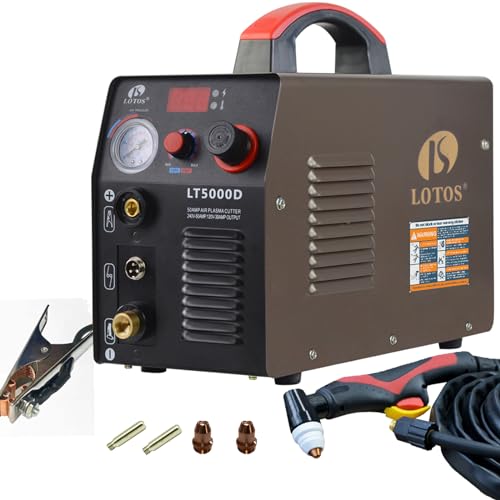 LOTOS LT5000D Plasma Cutter
 PrimeWeld CUT50DP Plasma Cutter
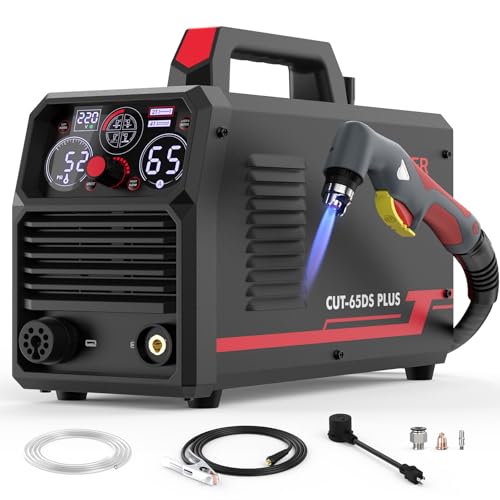 YESWELDER CUT-65DS PLUS Plasma Cutter
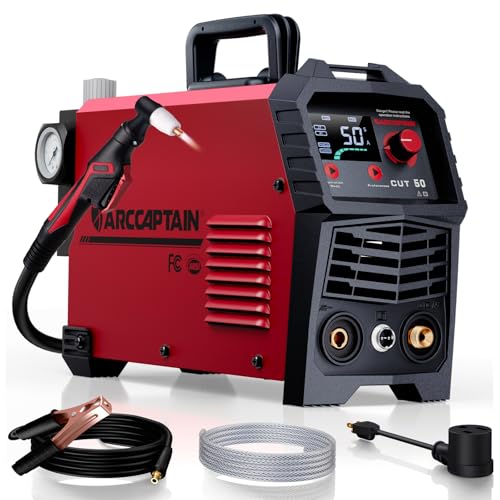 ARCCAPTAIN Plasma Cutter 50 Amp CUT50
 S7 CUT50 Plasma Cutter









