What's inside
As an Amazon Associate I earn from qualifying purchases. This post may contain affiliate links at no extra cost to you.
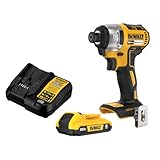
A cordless impact driver is a good fit for building or repairing wooden fence panels: it drives long exterior screws quickly and is less likely than a drill to twist your wrist when a fastener binds. For most fence work, a compact 18V or 20V tool with a variable-speed trigger and a 1/4-inch hex chuck is enough. The right screw, a charged battery and sensible driving technique matter just as much as extra torque.
As an Amazon Associate we earn from qualifying purchases at no extra cost to you.



What we cover
What to look for in an impact driver
Choose a mainstream cordless platform you already own if possible. Buying a bare tool can save money, but batteries and a charger often make a new platform cost more than expected. If you are starting from scratch, compare kit prices and check whether the same batteries work with the brand’s drills and saws.
A compact driver is easier to handle between rails and pickets. Look for a tool with a variable-speed trigger and at least two speed or drive modes; a slower mode makes it easier to stop before the screw head strips or sinks too deeply. Brushless motors can run more efficiently and are common in higher-priced tools, but a brushed driver is usually adequate for occasional fence repairs.
For a first purchase, compare 18V or 20V cordless impact-driver kits. Voltage labels are not a useful way to compare power across brands. Pay attention to kit contents, tool size, warranty and battery compatibility instead of choosing by a large torque figure alone.
Which setup suits your fence work?
| Setup | Best for | Trade-off |
|---|---|---|
| Compact 18V/20V impact driver | Repeated fastening, long screws and general fence building | Costs more than a corded or basic drill if you need batteries too |
| Budget brushed impact driver | Occasional repairs and a few panels | May be heavier, less efficient or have fewer speed controls |
| Cordless drill/driver | Small jobs, pilot holes and lighter screws | Can be slower and may twist your wrist if a long screw binds |
A less expensive cordless impact driver is fine if you are assembling a few panels each year and already have compatible batteries. For a large run of fencing, comfort, battery life and speed control are worth considering. A hammer drill is not a substitute: its hammering action is intended for masonry, not driving screws into wood.
Match screws and bits to the job
Use exterior-rated screws made for wood, such as coated deck or structural screws, rather than drywall screws. Drywall screws are brittle and can snap under outdoor loads. Match screw length to the joint: for a picket attached to a rail, a 2- to 2½-inch screw is a common starting point, but account for picket thickness and rail condition. The screw should get a solid bite in the rail without poking through its back.
Use a drive bit that fits the screw head exactly. A loose bit can cam out, damaging the head and throwing splinters. Keep a spare bit nearby; worn tips slip more often, especially when driving hard-coated screws. If you are unsure which head style your screws use, buy a rated impact-driver bit set that includes the matching Torx or square-drive size. Bits labeled for impact use are built to tolerate repeated impacts better than ordinary screwdriver bits.
Drive screws cleanly without splitting wood
Check that the picket is seated against the rail before fastening. A gap can close suddenly as the screw pulls the boards together, shifting the panel or splitting a dry, narrow picket. Near a board end or edge, predrill a pilot hole. A bit around 1/8 inch is a reasonable starting point for many fence screws, but match the hole to the screw’s root diameter and the wood: soft, damp lumber may need less help than dry, brittle stock.
Hold the driver straight in line with the screw and apply steady pressure. Start slowly, then increase speed once the threads have taken hold. Stop when the head is snug and seated; driving until the driver hammers repeatedly can strip the wood, bury the head, or snap a screw. If a screw stalls, back it out and check for a knot, a dull bit, or an unsuitable fastener rather than forcing it with maximum trigger pressure.
For a long run, drive a few test screws into an offcut or an inconspicuous section first. Set the speed mode and technique so heads finish flush rather than deeply recessed. Keep hands clear of the bit, wear eye protection, and brace the work securely. Impact drivers are loud and create sharp bursts of noise, so hearing protection is sensible during extended use.
Battery, weight and practical limits
A smaller battery is lighter and often sufficient for a handful of repairs. For a day of fastening, a second battery prevents work from stopping while the first charges. Larger batteries can add runtime but make a compact driver feel top-heavy when working overhead or at arm’s length. Test the balance in your hand if you can, especially if you expect to install many pickets.
Impact drivers are not the best choice for every step. Use a drill/driver for pilot holes and delicate work that needs low, smooth speed. If the wood is cracked, rotten or too thin to hold a screw, changing tools will not fix the joint; replace or reinforce the damaged piece. For ordinary fence panels, though, a basic impact driver, outdoor-rated screws and a correctly fitted bit make a fast, dependable combination.