What's inside
As an Amazon Associate I earn from qualifying purchases. This post may contain affiliate links at no extra cost to you.
What we cover
What Makes an Impact Driver Suitable?
Automotive-style hex fasteners include self-tapping screws, small machine screws and other fasteners with a 1/4-inch hex head or a hex-drive recess. A cordless impact driver can drive them quickly, but it is not a substitute for a torque wrench or a way to tighten critical vehicle hardware by feel. Its rapid impacts can snap small fasteners, strip threads or damage plastic before you react.
For light brackets, sheet-metal screws and general shop work, a compact 12V driver is often enough. For stubborn fasteners or frequent use, an 18V/20V-class tool has more reserve. In either case, speed control matters more than a headline torque figure. Look for a variable-speed trigger and, ideally, a low-speed or assist mode that reduces the chance of overtightening.
As an Amazon Associate we earn from qualifying purchases at no extra cost to you.


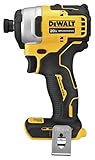
Compare the Main Options
| Type | Best for | Trade-off |
|---|---|---|
| 12V compact impact driver | Small fasteners, tight spaces, occasional repairs | Less reserve for seized or larger fasteners |
| 18V/20V impact driver | Regular shop use and a wider range of screws | Heavier, bulkier and easier to overdrive small hardware |
| Impact wrench | Lug nuts and larger automotive fasteners | Usually too powerful and bulky for delicate hex screws |
Buy the tool for the fasteners you actually drive. A high-torque impact wrench is the wrong choice for small hex-head screws in thin metal; its extra power makes damage easier, not safer.
Choose Voltage and Size for the Job
A 12V impact driver is a sensible choice if you mostly install small brackets, trim hardware and self-tapping screws, and you value access under a dashboard or around an engine bay. Its smaller battery and shorter body can be helpful in cramped spaces. The limitation shows up when a fastener is corroded, unusually long or being driven into dense material: the tool may slow down or need more pauses.
An 18V/20V-class driver is a better all-rounder if you already own batteries in that platform or use the tool regularly. It is more capable on larger screws and prolonged work, but its greater weight can make precise trigger control harder. A compact version of this class may offer a useful middle ground. Compare tool length and weight with the battery installed, not just the bare-tool figures.
If you are buying your first tool, compare a 12V impact driver kit with a 18V/20V impact driver kit. A kit makes sense when it includes a battery and charger you need; if you already have compatible batteries, buying a bare tool can cost less.
Prioritize Control and the Right Bits
Multiple speed settings or a fastening-assist mode are useful for small automotive-style hardware. Start at the lowest setting and use short trigger pulls. Let the bit seat fully, keep the driver square, and stop as soon as the fastener is seated. On a bolt or machine screw, finish by hand if the application calls for a specified torque.
Use impact-rated 1/4-inch hex bits for driving with an impact driver. Ordinary bits can chip or twist under repeated impacts. Match the bit tip precisely to the fastener—slightly loose Phillips or Torx engagement slips, chews the recess and can make removal difficult. A short bit often controls better than a long extension, which can flex and wobble.
Do not assume every hex-shaped head takes a hex bit. A hex-head sheet-metal screw is normally turned with a correctly sized nut-setter or socket; a screw with a hex-drive recess needs a matching hex bit. Check the fastener before choosing accessories.
Avoid Stripped Threads and Broken Fasteners
Impact drivers deliver rotational force in sharp pulses. That helps with resistance, but makes them easy to overuse on small screws. Thin sheet metal, plastic housings and soft aluminum threads are especially easy to damage. If a fastener binds, stop rather than leaning harder on the trigger. Back it out, check for misalignment, damaged threads or a hole that needs to be cleared or predrilled.
For self-tapping screws, a pilot hole can reduce splitting and improve alignment; use the size recommended for the fastener and material rather than guessing. Hold the work securely, wear eye protection, and keep hands clear of the rotating bit. Avoid using an impact driver to tighten wheel lug nuts, suspension hardware or other safety-critical fasteners to final torque. Use the vehicle maker’s procedure and a calibrated torque wrench.
When the Cheaper Option Is Enough
If you drive a few small screws a month, a basic 12V tool with a variable-speed trigger may be all you need. Spend first on a good set of impact-rated bits and the correct nut-setters; poor accessories are a common reason a driver slips or damages a fastener. A more expensive tool is worthwhile when you need better low-speed control, a compact head, longer runtime or batteries shared with tools you already own.
For regular automotive work, keep a hand screwdriver or ratchet nearby. The impact driver earns its place by quickly running fasteners in and out, while hand tools give you finer control for final tightening and delicate threads. That combination is often more useful—and safer—than buying the most powerful driver available.