What's inside
As an Amazon Associate I earn from qualifying purchases. This post may contain affiliate links at no extra cost to you.
Polycarbonate is tough, but it is not forgiving of a hot, aggressive drill bit. A standard twist bit can grab as it breaks through, leaving a chipped edge or a crack that grows later. For most sheet work, a sharp bit used at low speed is more important than an expensive specialty set.
As an Amazon Associate we earn from qualifying purchases at no extra cost to you.


What we cover
Which drill bits work best?
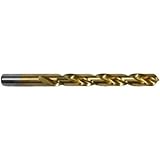
For clean holes in ordinary polycarbonate sheet, start with a sharp, standard high-speed steel (HSS) twist bit. A new or freshly sharpened bit with a conventional point is inexpensive and widely available. It works well when you support the sheet, drill slowly, and ease off before the bit breaks through.
If you expect to drill many holes, or need a more controlled entry, consider a plastic-specific bit. These typically have a sharper point and geometry intended to cut plastic without the aggressive grabbing common with wood bits. They cost more, so they are hard to justify for one or two holes.
A step bit can be a good choice for thin sheet and holes that need to be enlarged gradually. It makes round holes with less tendency to catch, but it is not the right tool for every size or thickness. Check its usable diameter range and avoid forcing it through thick material.
Browse plastic and polycarbonate drill bits if you have a batch of holes or repeated plastic work. For occasional drilling, a sharp HSS bit is usually the better-value buy.
Bit options at a glance
| Bit type | Best use | Main trade-off |
|---|---|---|
| Standard HSS twist bit | General holes in supported sheet | Can grab on breakthrough if pushed too hard |
| Plastic-specific bit | Repeated work or cleaner, controlled cutting | Higher cost; unnecessary for occasional holes |
| Step bit | Thin sheet and gradually enlarging holes | Limited by its size range and material thickness |
| Brad-point wood bit | Usually not recommended | Center spur and cutting edges can catch and crack sheet |
Choose the hole size and drill
Measure the fastener before choosing the bit. For a clearance hole, the hole should be slightly larger than the screw shank; for an outdoor panel, allow additional room for sheet movement. Polycarbonate expands and contracts with temperature, so a tight screw hole can become a stress point. Follow the sheet or fastening-system manufacturer’s clearance guidance where available rather than assuming the screw should fit snugly.
A variable-speed cordless drill is suitable. Use the clutch or a light grip to keep control, and select low speed rather than running the bit flat out. A hammer drill’s hammer mode should be off: impact can crack or craze the sheet. An impact driver is also a poor choice for drilling the hole because its hammering action is difficult to control; use a drill and a proper bit instead.
For a range of common hole sizes, a sharp HSS twist-bit set is usually enough. Buy a separate specialty bit only if your work justifies it.
How to drill without cracking the sheet
Leave the protective film on while drilling, if the sheet has it. Mark the hole on the film, then clamp the panel flat between scrap boards or support it closely around the hole. Do not hold a loose sheet in your hand. If the drill catches, the sheet can twist, and unsupported material can flex and split.
Use a backing board directly beneath the hole to support the exit side. Start the bit square to the surface and drill at low speed with light, steady pressure. Let the cutting edges remove material; leaning hard on the drill creates heat and makes breakthrough more violent. Near the far side, ease off further. If the bit starts to squeal, melt the edge, or produce gummy curls, stop and let the material cool before continuing.
Keep the bit sharp and clear chips from the hole. A blunt bit rubs instead of cutting, which generates heat and can leave a rough, stressed edge. For a larger opening, drill a pilot hole and enlarge it in steps, or use a step bit if the sheet is thin and the required size falls within the bit’s range. Do not rock a twist bit sideways to enlarge a hole; that can snag the sheet.
Common mistakes and what they cause
Wood auger bits and brad-point bits are designed to bite into wood. Their points can pull themselves into polycarbonate, and their cutting edges may grab as they exit. That can chip the hole or start a crack. A masonry bit is no improvement: it is made to abrade hard material, not cut plastic cleanly.
Excessive speed and pressure cause heat, melted plastic, and a stressed or cloudy hole edge. Drilling close to an unsupported edge raises the chance of cracking, especially if the panel flexes. If the hole will be near an edge, support the sheet well and check the panel manufacturer’s minimum edge distance; do not rely on a screw to hold a cracked edge together.
For mounting, do not overtighten a screw against the sheet. Use a washer or a fastening system intended for polycarbonate panels, and leave the specified expansion clearance. A cleanly drilled hole can still fail later if the fastener clamps the panel too tightly.
What to buy for your job
For a few small holes in a supported panel, buy a sharp HSS bit in the exact size you need—or use one from a sound set you already own. For repeated installations, a plastic-specific bit can reduce grabbing and make results more consistent, though careful technique still matters. A step bit is worth considering for thin sheet when you need several larger diameters, not as a universal substitute for twist bits.
Before drilling the finished panel, test the setup on an offcut or an inconspicuous area. Check that the hole is round, the edge is not melted or chipped, and the sheet has not whitened around the cut. If the result is poor, slow down, add support, use a sharper bit, and reduce pressure before spending more on tools.