We research everything we recommend. When you buy through our links, we may earn a commission. As an Amazon Associate we earn from qualifying purchases.
Best Floor Drill Presses for Home Workshops and Pros
Compare the best floor drill presses by swing, motor power, speed range, and chuck size, with picks for woodworking, metalwork, and busy home shops.
A floor drill press earns its space in the shop the first time a benchtop machine runs out of room. The tall column lets you lower the table for long boards, tall workpieces, and end drilling that simply does not fit under a bench model, and the heavier cast iron base keeps the machine planted when a large bit bites into hardwood or steel. If you drill furniture parts, machine brackets, or repeat holes all day, a floor-standing press is usually the last drill press you buy.
This guide compares five floor-standing models that are sold on Amazon and cover the main buying paths: a balanced all-rounder, a wide-swing heavy machine, a variable-speed model that skips belt changes, an oscillating spindle press that doubles as a sander, and a mid-size cast iron classic. Every pick below is a true floor model, not a benchtop press on a stand. Match the swing, speed range, and chuck size to the work you actually do, and confirm final details on the listing before ordering, because configurations and included accessories can change.
As an Amazon Associate, we earn from qualifying purchases.
The JDP-17 is the balanced pick for a serious home shop or small pro shop. Its swing is listed at 16-7/8 inches, which centers wide panels that overwhelm smaller machines, and the spindle travels a full 5 inches in one pass, so thick stock and deep mortise-style boring do not need a second setup. Sixteen speeds from 210 to 3,500 RPM cover slow Forstner bit work in hardwood through faster drilling in soft metals, and the poly v-belt drive with one-hand tensioning makes speed changes quick between operations.
The precision ground table measures 14 by 19 inches, tilts up to 90 degrees left and right, and includes twin T-slot grooves plus table slots for clamping work and fixtures. A built-in LED work light is standard. The 3/4 HP motor runs on standard 115V power, which suits most garages and basement shops without new wiring.
Specs
Swing: 16-7/8 inches
Motor: 3/4 HP, 115V, single phase
Speeds: 16, from 210 to 3,500 RPM
Spindle travel: 5 inches
Chuck size: 5/8 inch
Table size: 14 x 19 inches, tilts up to 90 degrees left and right
Warranty and included accessories: confirm on the listing
The JDP-20MF is the capacity pick. A 20-inch swing is the widest in this roundup, and it pairs that reach with a 1.5 HP motor and a 3/4-inch chuck, so it handles large hole saws, big Forstner bits, and heavy drilling in steel that would stall lighter machines. Twelve speeds run from 150 to 4,200 RPM, giving both the slow torque needed for large cutters in metal and the top end for small bits in wood and plastic.
The crank-operated table raises and lowers smoothly, which matters on a machine this size because you will adjust it often when switching between tall and flat work. An onboard work light is included, though the bulb is not, and there is no laser guide on this model. At close to 290 pounds, plan on help for assembly and a permanent spot on the floor. This is the press for shops that regularly drill wide panels, large diameter holes, or production runs in mixed materials.
Specs
Swing: 20 inches
Motor: 1.5 HP
Speeds: 12, from 150 to 4,200 RPM
Chuck size: 3/4 inch
Work light: onboard, bulb not included
Laser guide: not included
Weight, voltage, and warranty: confirm on the listing
The PM2800B is built around convenience. Its mechanical variable speed system lets you change spindle speed with a lever while the machine runs, with no belt moves and no opening the head cover, and a digital readout shows the current speed. For shops that switch between bit sizes and materials all day, that saves real time and removes the main excuse for drilling at the wrong speed.
The 18-inch swing and 1 HP motor put it firmly in full-size floor press territory. Quill travel is a full 6 inches, the longest in this group, and the press adds a laser guide, two adjustable LED work lights, an adjustable depth stop, and a large cast iron base for stability. A safety key switch helps prevent accidental starting, a thoughtful touch in shared shops and schools. If your work mixes wood, metal, and plastics in one session, the PM2800B is the easiest machine here to live with.
Specs
Swing: 18 inches
Motor: 1 HP
Speed control: mechanical variable speed with digital readout
Chuck size: 5/8 inch
Quill travel: 6 inches
Extras: laser guide, two LED work lights, depth stop, safety key
Exact speed range and warranty terms: confirm on the listing
The W1848 does something none of the other presses here can do: its spindle oscillates as it rotates, so the same machine that drills a hole can smooth it with a sanding drum. That makes it a smart two-in-one choice for woodworkers who shape curved parts, clean up drilled edges, or sand inside curves, and it converts between drilling and sanding without tools.
As a drill press, it is a mid-size floor model with a 13-3/4-inch swing, a 3/4 HP motor, and 12 belt speeds from 250 to 3,050 RPM. Spindle travel is 3-1/4 inches, the chuck takes bits up to 5/8 inch, and the table tilts for angled work. A sanding accessory kit is included. The oscillating mechanism adds moving parts compared with a fixed spindle press, so it rewards owners who follow the maker’s maintenance schedule. Choose it when sanding versatility matters more than maximum swing.
Specs
Swing: 13-3/4 inches
Motor: 3/4 HP
Speeds: 12, from 250 to 3,050 RPM
Spindle travel: 3-1/4 inches
Chuck size: 5/8 inch
Special feature: oscillating spindle for drum sanding, sanding kit included
Table tilt range and warranty: confirm on the listing
The J-2500 is the straightforward cast iron classic in this group. A 15-inch swing covers most furniture, cabinet, and general metal shop work, and the 16 speeds from 200 to 3,630 RPM give fine control for everything from large bits at low speed to small bits in thin stock. The 3/4 HP motor drives a 5/8-inch chuck, which matches the capacity most shops use daily.
JET builds the head from cast iron with a permanently lubricated spindle assembly for long service life, and a precise depth stop supports repeat drilling at a set depth. The table tilts up to 45 degrees for angled holes. There is no onboard light and no laser guide, so budget for a shop light if your bench area is dim. For buyers who want a durable, no-frills floor press from an established tool line, the J-2500 remains an easy machine to recommend and to maintain.
Specs
Swing: 15 inches
Motor: 3/4 HP
Speeds: 16, from 200 to 3,630 RPM
Chuck size: 5/8 inch
Drilling capacity: up to 5/8 inch in cast iron, 1/2 inch in mild steel
Table tilt: up to 45 degrees
Voltage, weight, and warranty: confirm on the listing
How to Choose a Floor Drill Press
Start with swing. Swing is twice the distance from the spindle center to the column, and it decides how wide a workpiece you can center under the bit. A 15-inch press centers a board about 7-1/2 inches from its edge; an 18 or 20-inch press gives real room for panels, tabletops, and wide cabinet parts. Buy for the widest work you realistically expect, not the widest you can imagine.
Match the motor and speeds to your materials. Wood tolerates a wide speed range, but metal and large diameter cutters need slow speeds with torque. Look for a low end near 150 to 250 RPM if you plan to run big Forstner bits, hole saws, or cutters in steel. A 3/4 HP motor handles most home shop work; step up to 1 HP or more for frequent large holes in hard material.
Check chuck size and spindle travel. A 5/8-inch chuck covers most shop bits; a 3/4-inch chuck adds room for large shank tooling. Spindle travel of 4 inches or more lets you drill thick stock in one pass, and 5 to 6 inches is better still for posts and deep boring.
Think about speed changes. Belt and pulley systems are simple and durable, but a mechanical variable speed drive changes speed in seconds. If you swap bits constantly, variable speed is worth paying for; if you drill one material all day, a belt drive is fine.
Plan the install. Floor presses are heavy, tall, and top-heavy before assembly. Confirm ceiling height, doorway access, and the circuit the motor needs, and follow the maker’s instructions for assembly, anchoring, and safe operation. Always clamp workpieces rather than holding them by hand, use the guards and eye protection the maker specifies, and disconnect power before changing speeds on a belt drive or swapping chucks.
FAQ
What size floor drill press should a home shop buy?
For most home shops, a 15 to 17-inch swing with a 3/4 HP motor is the sweet spot. It centers typical furniture and cabinet parts, runs common bit sizes, and still fits a garage corner. Move to 18 or 20 inches if you regularly drill wide panels or large diameter holes.
Can a floor drill press handle metal as well as wood?
Yes, as long as it offers slow enough speeds and enough torque. Large bits in steel want low RPM, a rigid setup, and the cutting fluid and feeds the bit maker recommends. Models with a low end near 150 to 250 RPM and a 5/8-inch or larger chuck are the better metal choices here.
Is variable speed worth it on a drill press?
It is worth it if you change materials or bit sizes often, because correct speed protects bits and improves hole quality, and a lever change is far more likely to happen than a belt change. If you mostly drill one material at one or two speeds, a belt drive press gives the same holes for less money.
How much room does a floor drill press need?
Plan a clear floor footprint a little larger than the base, enough ceiling height for the full machine plus room to raise long stock, and working space in front of the table for clamps and fences. Weights in this class run from roughly 120 to 290 pounds, so assemble the press where it will live and get a second person to help lift the head.
Final Verdict
For most buyers, the JET JDP-17 is the right floor drill press: honest capacity, a long 5-inch spindle travel, 16 speeds, and a big tilting table on standard household power. Step up to the JDP-20MF when width and power come first, or to the Powermatic PM2800B when fast, belt-free speed changes will shape your workday. The Shop Fox W1848 is the specialist pick for drilling plus spindle sanding in one footprint, and the JET J-2500 is the durable mid-size classic. Whichever you choose, verify the current configuration, included accessories, and warranty on the listing, and follow the maker’s manual for setup and safe use.
M
Miller the Driller Editorial Team
We compare specs, warranty terms, long-term owner feedback and street pricing before anything earns a spot. Rankings are never paid.
Affiliate disclosure. As an Amazon Associate we earn from qualifying purchases at no extra cost to you. Prices accurate as of the date shown.
Three wireless routers for small offices compared on device capacity, network separation, wired speed, and coverage, with specs taken from their Amazon listings.
Compare 5 mechanic tool sets for car repairs: a 247-piece DEWALT kit, a 450-piece CRAFTSMAN set, a drawer-box GEARWRENCH set, a 170-piece Crescent set and a 450-piece WORKPRO set.
Four splitting axes and mauls that actually split firewood: a long 36-inch axe for tall users, a shorter 28-inch option, and two 8 lb mauls for knotty rounds.
Learn whether a 20V rechargeable drill battery can be repaired, which faults you can check safely at home, and when replacing the pack is the safer choice.
A specs-based review of the officially licensed Retro-Bit Sega Saturn 2.4 GHz wireless controller: dual receivers, Genesis Mini and Switch support, battery, layout, limits, and FAQs.
Find the best drill battery for Power Wheels ride-on toys for families, with DeWalt, Milwaukee and Ryobi adapters, voltage and safety guidance in this guide.
Find the best hole saw for noching dom pipe: bi-metal saws, deep cups, and the right sizes for clean, tight notches in DOM tube for fabrication shops today.
Find the best diy tile saws for home tiling projects. Compare wet tile saws by blade size, cutting capacity, and features for ceramic and porcelain tile.

 1. JET JDP-17 (716300) 17-Inch Floor Drill Press
 2. JET JDP-20MF 20-Inch Floor Drill Press
 3. Powermatic PM2800B 18-Inch Drill Press
 4. Shop Fox W1848 Oscillating Floor Drill Press
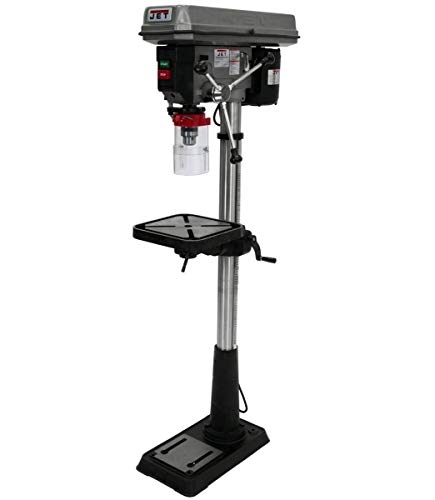 5. JET J-2500 15-Inch Floor Drill Press









