What's inside
As an Amazon Associate I earn from qualifying purchases. This post may contain affiliate links at no extra cost to you.
The best gravel cycling shoes for all-day comfort balance a moderately stiff sole for efficient pedaling with enough flex, tread, ventilation, and protection for walking on loose surfaces; for most riders, the Shimano RX801, Specialized Recon 3.0, and Fizik Terra Atlas are the strongest starting points.
As an Amazon Associate we earn from qualifying purchases at no extra cost to you.

What we cover
Quick picks by riding situation
| Riding situation | Best fit | Why it suits the use | Typical market range |
|---|---|---|---|
| Fast mixed-surface rides and racing | Shimano RX801 | Stiff carbon-composite sole, low weight, secure dual-dial closure | $180–$250 |
| Frequent hike-a-bike and rough descents | Specialized Recon 3.0 | Grippy rubber tread, reinforced upper, two-bolt SPD compatibility | $180–$250 |
| Long recreational rides and bikepacking | Fizik Terra Atlas | Comfort-oriented fit, durable synthetic upper, useful walking tread | $120–$180 |
| Value-focused gravel riding | Shimano RX600 | Efficient nylon sole and SPD compatibility without premium pricing | $100–$160 |
| Wide-foot comfort and casual exploration | Giro Sector | Adjustable upper, Vibram rubber outsole, supportive but walkable construction | $140–$200 |
Prices are broad 2026 market ranges and vary with color, sizing, and seasonal discounts. Weight also varies by size; the figures below are useful comparisons rather than promises for every pair.
What makes a gravel shoe comfortable all day?
Sole stiffness: efficient, but not excessively rigid
A gravel shoe should transfer power without feeling like a road-racing shoe when you leave the bike. Carbon or carbon-reinforced soles are excellent for high-mileage riders and competitive efforts, but their stiffness can make rocky walking uncomfortable. Nylon-composite soles usually give up a small amount of pedaling efficiency in exchange for easier walking and lower cost.
For most mixed-surface riders, a sole in the medium-to-high stiffness range is the sensible compromise. Very soft soles may feel pleasant in a café but can allow more foot movement during sustained climbs. Very stiff soles can create pressure points if the shoe shape does not match your foot.
Walking traction and cleat compatibility
Look for a recessed two-bolt cleat pocket and a rubber outsole with lugs around the heel and forefoot. This combination accepts Shimano SPD-style gravel and mountain-bike cleats while keeping the metal hardware away from the ground. It is generally more practical for gravel than a three-bolt road-cleat shoe, whose exposed cleat can be slippery and awkward on rocks.
Deep, widely spaced lugs shed mud better, while a flatter rubber pattern rolls more quietly on pavement. If your routes include creek crossings, steep portages, or loose hike-a-bike sections, outsole grip should take priority over a few saved grams.
Ventilation versus protection
Mesh panels and perforated synthetic uppers reduce heat buildup on summer rides, but they also admit dust and offer less protection from thorny vegetation. A useful all-season design combines ventilation across the forefoot with a more solid toe box, heel counter, and lower side panels.
Do not confuse ventilation with waterproofing. A highly ventilated shoe will dry faster after splashing but will not keep feet dry in sustained rain. For wet-weather gravel, a water-resistant upper and overshoe are usually more practical than choosing an airtight shoe that becomes humid inside.
Head-to-head: the leading choices
Shimano RX801: the performance pick
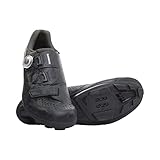
The RX801 uses a carbon-composite sole, dual BOA-style dials, and a two-bolt SPD cleat layout. Shimano lists it at roughly 510 grams per pair in a mid-range size, making it one of the lighter options here. Its stiffness favors riders who spend long periods pedaling continuously rather than walking.
Its mesh and synthetic upper ventilate well, while the toe and heel receive more reinforcement than a pure road shoe. The main limitation is not traction—it has usable rubber tread—but comfort on extended rocky walking. Choose it when pedaling performance matters most and off-bike sections are occasional.
Specialized Recon 3.0: the rough-route pick
The Recon 3.0 is built around a stiff carbon-composite plate, a two-dial closure, and a rubber outsole with pronounced tread. Its reinforced construction is well suited to gravel races that include rough descents, as well as routes where pushing or carrying the bike is unavoidable.
Compared with a lightweight road-influenced gravel shoe, it places more emphasis on protection and traction. That makes it a strong choice for rocky terrain, although riders who prioritize maximum airflow may prefer a more open upper.
Fizik Terra Atlas: the long-distance comfort pick
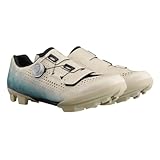
The Terra Atlas is a more forgiving option for riders who want one shoe for gravel, commuting, touring, and occasional walking. Its synthetic upper, single-dial closure, and rubber lugged outsole keep the design simple and practical. The sole is stiff enough for ordinary gravel riding without feeling as demanding as a race-oriented carbon shoe.
Its approximately 640-gram pair weight, depending on size, is not especially light, but that extra material supports durability and all-day versatility. It is a sensible choice for riders whose routes alternate between pavement, dirt roads, and stops in town.
Shimano RX600 and Giro Sector: value and fit alternatives
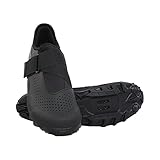
The Shimano RX600 offers a nylon-composite sole and SPD compatibility at a lower price than the RX801. At roughly 610 grams per pair in a typical listed size, it is less weight-focused, but many recreational riders will not notice the difference once bottles, tools, and bags are added to the bike.
The Giro Sector uses a supportive upper, a two-dial closure, and a Vibram rubber outsole. It is particularly appealing when walking traction and adjustability matter more than minimum weight. Giro’s fit can feel more accommodating to some feet than narrow race shoes, but compare the manufacturer’s sizing chart with your measured foot length before ordering.
| Model | Approx. pair weight | Sole construction | Cleat system | Walking emphasis |
|---|---|---|---|---|
| Shimano RX801 | About 510 g | Carbon-composite | Two-bolt SPD | Moderate |
| Specialized Recon 3.0 | About 600 g | Carbon-composite | Two-bolt SPD | High |
| Fizik Terra Atlas | About 640 g | Nylon-composite | Two-bolt SPD | High |
| Shimano RX600 | About 610 g | Glass-fiber reinforced nylon | Two-bolt SPD | Moderate-high |
| Giro Sector | About 650 g | Carbon-composite shank with rubber outsole | Two-bolt SPD | High |
How to get the fit right
Measure both feet at the end of the day while wearing the socks used for riding. Use the longer foot as the reference, and leave roughly 5–8 millimeters between the longest toe and the front of the shoe. Your heel should remain planted when you lift the heel of the shoe, but the forefoot should not be squeezed when you spread your toes.
Closure type affects fit more than appearance. A dial distributes pressure quickly and is easy to adjust while riding. Laces can provide excellent even pressure but are slower to change and must be secured away from the crank. A broad hook-and-loop strap is useful for fine adjustment over the instep.
Check cleat position before judging the shoe. Start with the cleat centered front-to-back and aligned so your foot sits naturally, then make small changes. A poor cleat position can create discomfort that is mistakenly blamed on the shoe.
Durability and ownership realities
- Outsole edges wear first: Repeated pavement walking rounds off rubber lugs, especially beneath the toe and heel. This is normal; replace the shoes when traction or structural support is compromised.
- Cleat bolts need attention: Clean the threads, use the manufacturer’s recommended washer arrangement, and check tightness periodically. Loose cleats can damage the plate or make unclipping unreliable.
- Dry them correctly: Remove insoles, loosen the closures, and air-dry at room temperature. Radiators and hair dryers can distort adhesives, stiffen synthetic uppers, and shorten outsole life.
- Clean grit early: Brush dried mud from the cleat pocket and closure mechanisms. Fine gravel can prevent a dial from releasing or stop the cleat from seating properly.
- Expect consumables: Cleats, insoles, and sometimes dial cables wear faster than the upper. Replacing these parts can extend useful life, provided the sole and upper remain sound.
Final recommendation
Choose the Shimano RX801 if your priority is fast, efficient pedaling with occasional walking. Choose the Specialized Recon 3.0 for rough terrain and frequent hike-a-bike. The Fizik Terra Atlas is the better all-rounder for touring and long recreational rides, while the Shimano RX600 gives budget-conscious riders the essential SPD gravel format. If foot shape and walking comfort dominate the decision, add the Giro Sector to the shortlist and prioritize fit over a small weight difference.