Key takeaways
- A working driller's guide to choosing the best impact driver under 150 dollars, including what torque numbers actually mean and where the cheap kits cut corners.
What's inside
As an Amazon Associate I earn from qualifying purchases. This post may contain affiliate links at no extra cost to you.
Most guys shopping for the best impact driver under 150 dollars are not looking for a hobby toy. They are looking at a deck, a subfloor, a run of cabinets, or a truck bed full of unistrut, and they want something that will sink a fastener without stripping the head or cooking a battery in twenty minutes. The problem is that the sub-$150 shelf is exactly where marketing does the heaviest lifting. Every box on the wall shouts a torque number, and almost none of them tell you how that torque is delivered.
I have spent a long time putting holes in things and driving fasteners into things for a living, and I will tell you the honest version: at this price point you are not choosing the strongest driver, you are choosing which compromise you can live with. Bare tool or kit. Brushed or brushless. Three speed settings or one. Below is how I sort that out, and how I would spend the money if it were mine.
As an Amazon Associate we earn from qualifying purchases at no extra cost to you. Product prices and availability are accurate as of the date shown and are subject to change.


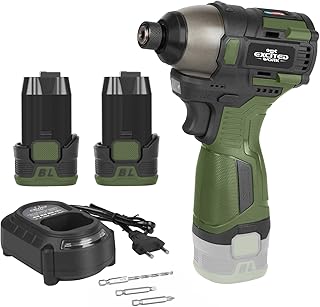

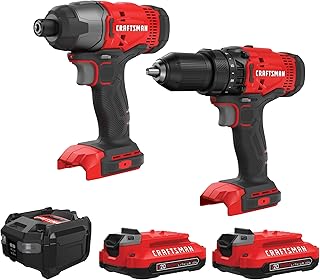


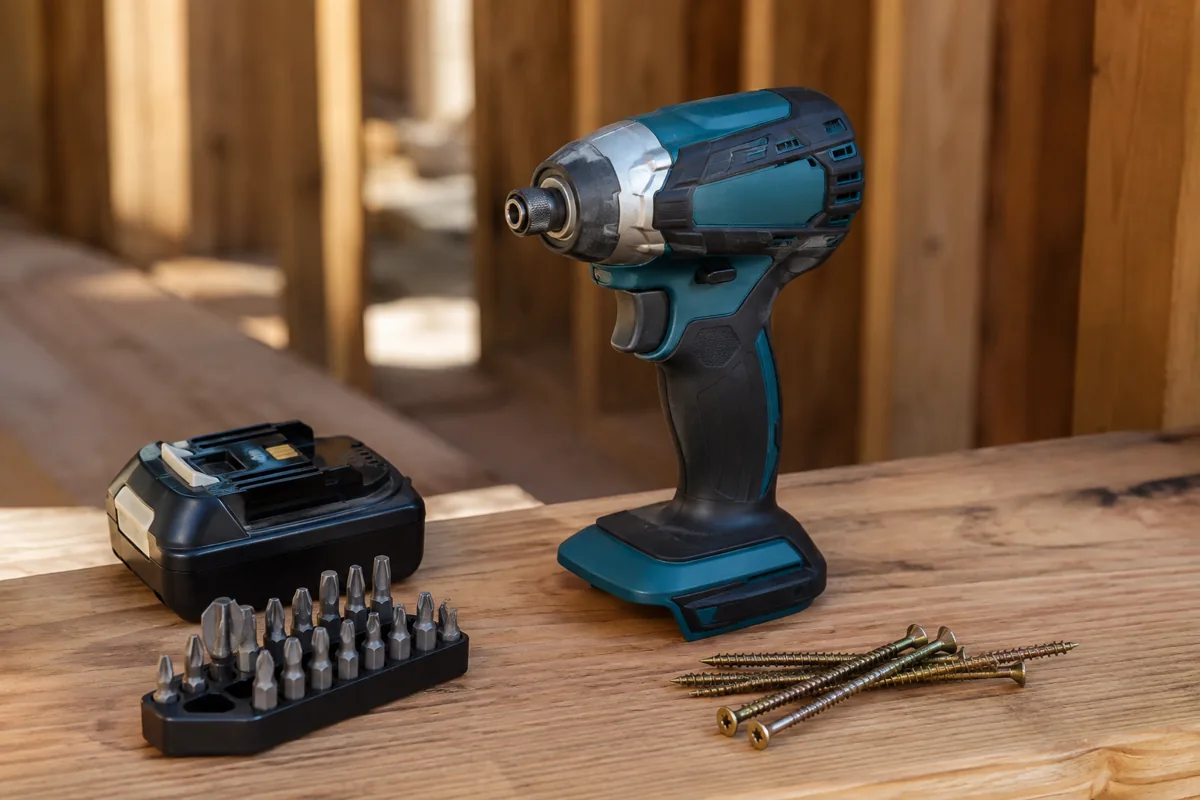
What you actually get for the money in an impact driver under 150
The sub-$150 range breaks into three fairly clean tiers, and knowing which tier you are shopping in saves you a lot of squinting at spec sheets.
| Tier | What it usually is | Best fit |
|---|
| Tier | Typical setup | Who it suits | Watch out for |
|---|---|---|---|
| Entry kit | Brushed motor, one or two batteries, charger, bag | Homeowner, occasional projects | Single speed, no soft start |
| Mid kit | Brushless, compact batteries, charger | Weekend remodeler, light trim work | Small amp-hour packs run hot |
| Bare pro tool | Brushless flagship body only, no battery | Anyone already on a battery platform | Battery and charger cost extra |
That last row is the one people miss. If you already own a couple of batteries in a platform, the bare tool option puts a genuine professional-grade driver in your hand for well under the $150 line. Names like DeWalt XR, Milwaukee FUEL and Makita LXT all sell bare bodies, and a bare flagship will outwork a boxed entry kit every single day. If you own nothing yet, you are buying an ecosystem, not a tool, and the kit price is the honest price.
Torque numbers, and why I mostly ignore them
Every impact driver box lists inch-pounds. Those figures are measured in a lab on a fixture that has nothing to do with a 3-inch structural screw going into a doubled-up joist. Two drivers with the same claimed torque can feel completely different in your hand because the impact rate, the anvil design and the electronics differ.
What I pay attention to instead:
Impacts per minute. More blows per minute usually means smoother driving and less cam-out. A driver that hammers faster keeps the bit seated in the recess instead of climbing out of it.
Speed selection. Three modes plus a dedicated self-tapping or fastener mode is the single most useful feature in this price bracket. Mode one lets you start a screw in soft pine without burying it. Mode three is for lags and structural screws. One-speed drivers make you do all of that with your trigger finger, which is possible but tiring.
Trigger feel. A vague trigger with a dead zone is miserable for cabinet work. You want to feel the first tenth of the throttle.
Length and weight. Under about 5 inches head to tail is where a driver stops fighting you inside a stud bay or a sink cabinet. That matters more on a long day than another 200 inch-pounds you will never use.
Brushless impact driver kit under $150
If you are starting from zero, a brushless kit with two batteries and a charger is the sweet spot. You get multi-speed control, a cooler-running motor, and a spare pack so you are not standing around waiting on the charger. Check what amp-hour batteries are in the box, because a kit with two small compact packs is a different animal than one with a mid-size pack.
Brushless or brushed at this price
I get asked this constantly, and the short answer is that brushless is worth it, but not for the reason most people repeat. Yes, brushless motors run more efficiently and last longer. The bigger practical gain is the electronics that come with them: multiple speed modes, better heat management, and smoother ramp-up.
That said, a brushed driver from a reputable line is not junk. If you drive a couple of dozen screws a month hanging shelves and assembling furniture, a brushed kit will serve you fine and leave money in your pocket for bits, which is honestly where a lot of buyers should be spending it anyway.
- ✔ Brushless gives you real speed modes and finer control
- ✔ Runs cooler on long fastener runs, so batteries last better
- ✔ Usually shorter and lighter than brushed equivalents
- ✔ Bare-tool pricing puts pro bodies under the $150 mark
- ✘ Brushless kits at this price often ship with small compact batteries
- ✘ Some budget brushless tools skip the belt hook or LED you actually want
- ✘ Bare tools look cheap until you add a battery and charger
- ✘ Marketing torque figures do not translate to real driving performance
Technique matters more than the badge on the tool
I have watched brand-new premium drivers strip screw after screw because of how they were being used. Here is where the actual results come from.
Match the bit to the fastener, then replace it often. Most cam-out is a worn bit, not a weak tool. Impact-rated bits with a torsion zone flex slightly under each blow instead of shattering. If you are driving Torx or square-drive deck screws, use the driver bit that came with the screws, then buy a proper impact-rated set of the same size. A dollar bit ruins ten dollars of hardware.
Start slow, finish slower. Squeeze into the first speed mode to seat the fastener straight, let it run in the middle of the drive, and back off before the head hits the surface. Impact drivers do not have clutches like drills. The stop is your trigger finger.
Pilot holes are not optional in hardwood or near edges. For anything over about #10 in oak, maple or old growth fir, drill a pilot roughly the diameter of the screw shank minus the threads. Within two inches of an end grain edge, pilot everything or you will split the board and blame the tool.
Push straight, not hard. Firm axial pressure keeps the bit in the recess. Leaning on the tool sideways is what wallows out a Phillips head. Keep the tool in line with the fastener and let the hammer mechanism do the work.
Use the low mode for small screws and machine threads. Driving a #6 pan head into a metal bracket at full send will snap it. That is the whole reason mode one exists.
Impact-rated driver bit set
The cheapest upgrade to any impact driver is a proper set of impact-rated bits with a torsion zone. Get a set that covers Phillips #2, square #2, and the Torx sizes you actually use, plus a magnetic bit holder. Standard hex bits will chip and round off under impact blows, and that failure looks exactly like a bad tool.
How I would spend it
If you already own batteries in any major platform, buy the bare flagship body. That is the clearest win available under $150 and it is not close. You get the good trigger, the good speed modes, and a tool that will still be working in ten years.
If you own nothing, buy a brushless kit and pay attention to the batteries in the box more than the tool. Two mid-size packs and a real charger beat two tiny packs and a trickle charger every time, because your work stoppages come from batteries, not motors.
If you are honestly a light user, a brushed kit from a known line plus a good bit set will handle everything you throw at it, and you will have spent less than the guy who bought the flagship and stripped the screws anyway.
Bare tool impact driver
Buying the body only is how you get pro performance under budget. Confirm the battery platform matches what you already own, and check whether a belt clip and bit holder are included, because bare tools sometimes ship without the accessories the kit version includes.
FAQ
Can an impact driver replace my drill? Not really. It will drill with hex-shank bits in a pinch, but the hammering action is rough on twist bits and it has no clutch or chuck for round shanks. Use the impact for fasteners and keep a drill for holes, especially anything precise or in metal.
Do I need a pilot hole if I am using an impact driver? In softwood with self-tapping deck screws, usually no. In hardwood, in engineered lumber, with larger diameter screws, or anywhere close to an edge, yes. A pilot hole prevents splitting and gives you a straighter, better-seated fastener, and it puts far less strain on the tool and bit.
Is a 1/2 inch impact wrench the same thing? No. An impact wrench has a square drive for sockets and is built for nuts and bolts, primarily automotive work. An impact driver takes 1/4 inch hex bits and is built for screws and small lags. If your job is lug nuts and suspension bolts, you want the wrench, not the driver.
Buy the tool that fits your battery situation, then spend the leftover money on bits and a decent charger. That combination will out-drive a more expensive setup being used carelessly, and it holds up whether you are framing a shed or hanging a single cabinet.
Check prices on Amazon →