Key takeaways
- An impact driver drives screws a drill can only dream about. Here is what to buy, and the bit mistake that wrecks half of them.
What's inside
As an Amazon Associate I earn from qualifying purchases. This post may contain affiliate links at no extra cost to you.
The first time you drive a 4-inch structural screw with an impact driver after years of fighting it with a drill, you get a little angry about the wasted time. That is the honest sales pitch for this tool. No torque chart, just the memory of standing on a ladder with a drill bogged down halfway in, leaning on it with both hands while the screw head slowly turned to soup.
An impact driver hammers rotationally — quick concussive blows that drive a fastener without twisting your wrist off. It is louder, it is more brutal, and for screws it beats a drill every single time.
As an Amazon Associate we earn from qualifying purchases at no extra cost to you. Product prices and availability are accurate as of the date shown and are subject to change.


The mechanism explains every strength and every weakness the tool has. A spring-loaded hammer spins with the motor, and the moment the fastener resists, that hammer jumps back, rotates and slams into an anvil. You get thousands of small rotational blows a minute instead of one long twist, and the reaction goes into the screw instead of your wrist. It is also why a marginal screw head gets destroyed: every blow is another chance for the bit to jump out of the recess. Brilliant at some jobs, actively bad at others.
| Job | Impact driver | Drill | Why |
|---|---|---|---|
| Long deck screws | Yes | Struggles | Rotational impacts beat wrist torque |
| Lag bolts | Yes | No | Drill clutch will slip |
| Small precise screws | Only with control settings | Yes | Impacts strip small heads |
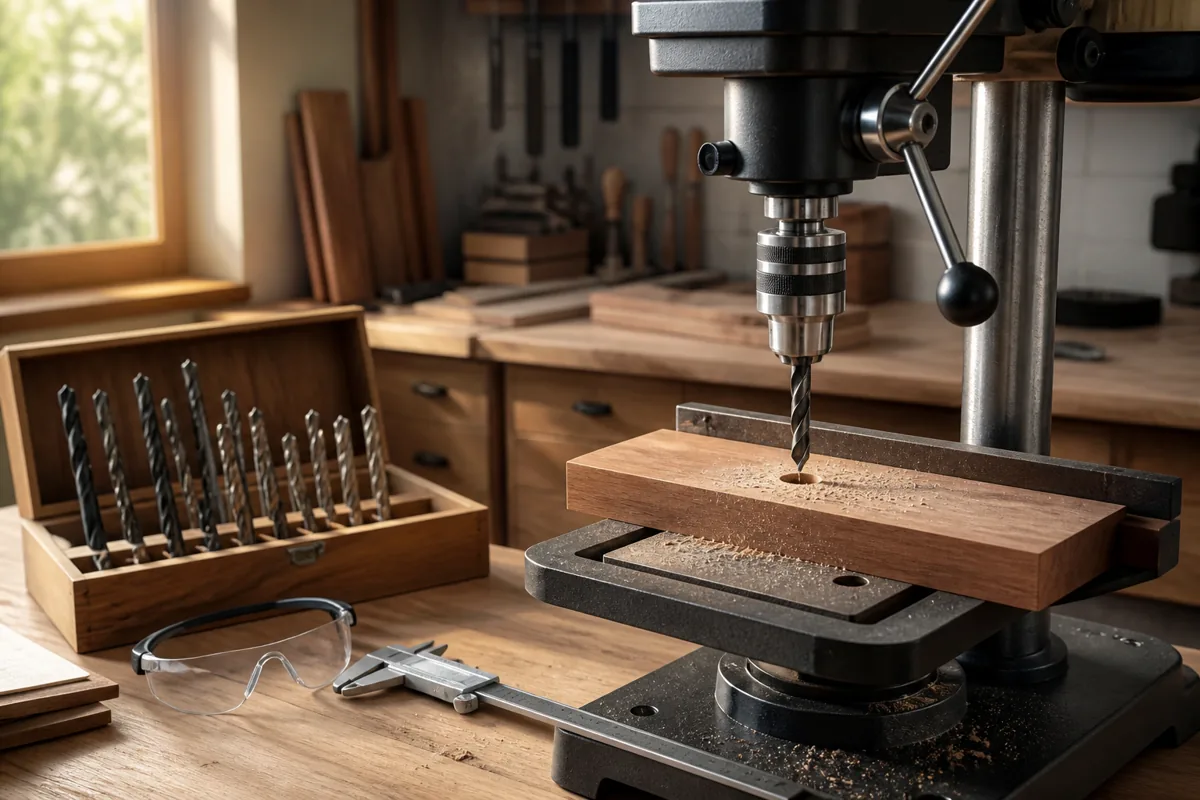
| Drilling holes | No | Yes | Hex chuck limits bits |
| Driving into metal studs | Yes | Yes | Either works |
What to look for
Almost every impact driver on a shelf today has more fastening power than your screws can survive. The things that decide whether you like the tool are control, size and battery platform, roughly in that order.
Multiple speed modes. A single-speed impact driver will bury and snap small screws before you react. Three modes plus a self-tapping-screw setting is the difference between a tool that helps and one that fights you. That self-tapping mode earns its keep on metal roofing and anything you start one-handed: it turns slowly until the tip bites, then ramps up. If you can only pay for one upgrade over a bare-bones model, buy modes, not torque.
Brushless. Same reasoning as drills — cooler running, longer life, better runtime. The overlooked benefit is control: brushless electronics make the low mode genuinely slow rather than a throttled version of full speed. Brushed drivers still work, but they run hot on sustained deck work and their bottom end is coarse.
Head length. Compact models get into joist bays and cabinet backs. If you build decks, the short nose matters more than peak torque. The measurement you want is the front of the collet to the back of the housing, and the gap between a compact body and a full-size one is often the difference between a screw that goes in between two joists and one that does not.
The collet. Nobody checks it and it is the part that wears out. Push a bit in and let go: the sleeve should snap back hard and the bit should sit with almost no side play. A sloppy collet lets the tip wander under impact, and a wandering tip cams out and ruins heads.
Battery platform. The biggest money decision in the purchase, and it has nothing to do with the driver. Pick the platform that sells the other tools you will eventually want — saw, light, vacuum, blower — then buy the best driver on it. A good tool on an orphan battery format is a tool you will replace twice.
Noise. They are all loud. Hydraulic impact drivers are quieter and smoother if you work indoors around people, but they cost more and hit slightly softer. Wear plugs regardless; short bursts still add up over a day of decking.
How to weigh those against each other
When you cannot have everything, the order is platform, control modes, head length, runtime, and torque last. Torque only decides anything if you drive long structural screws all day, and even then the real limit is the bit, the screw head, or how long you are willing to hold the trigger. Nobody has ever finished a deck and wished the nose of the tool were longer.
What separates a good pick from a bad one at each price band
Entry level. Usually brushed, one speed, small pack, slow charger. A good one is honest about that: solid collet, working light, and a battery belonging to a platform that also sells a circular saw. A bad one adds a proprietary pack nobody else supports and a collet sleeve that goes vague in a season. For a hundred screws a year this band is fine — buy the good bits anyway.
Mid-range. Brushless, three or four modes, self-tapping setting, short head. This is where most people should stop shopping. The bad buys here are budget tools with “brushless” on the sticker and an extra mode that does nothing your trigger finger was not already doing. Check the modes switch one-handed and the light does not cast the shadow of the bit onto the screw.
Premium. You are paying for refinement: shorter heads again, smoother oil-pulse mechanisms, electronics that ease off when the fastener seats, better lights, better warranty support. All real, none of it driving a screw a mid-range tool could not. Worth it if screws are how you earn. The worst premium purchase is a flagship on a platform where you own nothing else.
My picks
If you already own a drill, the driver is the missing half of the pair and the choice is simple: brushless, three modes, your existing batteries.
Brushless compact impact driver
Three-mode brushless models are the sweet spot. Enough torque for structural screws, enough control for cabinet hardware.
If you own neither, do not buy them one at a time. The kit prices the second tool at a discount you cannot get later.
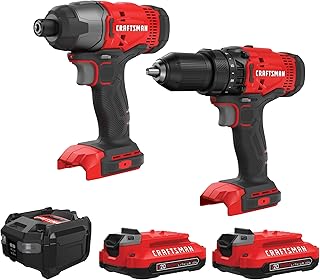
Impact driver and drill combo
Still the best-value entry into any cordless platform. If you own neither tool, start here rather than buying one at a time.
Whichever you buy, the bits are not optional.
Impact-rated bit set
Regular bits shatter in an impact driver. Impact-rated bits are made from tougher steel with a torsion zone that flexes instead of snapping. They cost a few dollars more and last five times longer.
Who should skip all of it: if your fastening life is hinges, brass screws and cabinet hardware, buy a good drill/driver with a real clutch instead and add the impact when a deck or a fence forces the question.
The mistake that ruins the experience
Using standard driver bits. I have watched a guy blame his brand-new impact driver for “eating screws” when the real problem was $4 of hardware-store bits shattering under impact. Buy impact-rated bits. Buy good ones. This is the cheapest performance upgrade in the toolbox.
The others, in the order I see them:
- The wrong bit for the recess. A worn PH2 in a fresh screw strips it every time. Cam-out is a bit problem far more often than a torque problem.
- Driving off-axis. Every degree off line is another chance for the tip to skip. An impact driver punishes a bad angle much harder than a drill does.
- Leaving it in the top mode. Modes are not set-and-forget. Cabinet screw, mode one. Deck screw, mode three.
- Skipping the pilot hole near ends and edges. The tool does not care that it is splitting your hardwood. It will drive the screw and split the board.
- Holding the trigger after the screw seats. That last half second of hammering is what snaps screws and blows out surfaces. Learn the sound and let go.
When a drill is still the right call
- ✔ Small brass or soft screws that strip easily
- ✔ Anything needing an adjustable clutch
- ✔ Drilling holes of any kind
- ✔ Precision work where torque control matters more than speed
The clutch is the thread running through that list. An impact driver has speed modes, not a torque limit, so nothing stops it when the fastener bottoms out except your finger. A drill’s clutch stops it for you, and on anything soft, small or expensive that is worth more than speed.
FAQ
Can it drill holes? With hex-shank bits, in a pinch. It is not a drill and it will not run a hole saw properly. The collet cannot hold a round shank at all, impacts are unkind to brad points, and any bit large enough to bind makes the driver hammer, which makes it wander.
How much torque do I need? For decks and framing, anything from a modern brushless model is plenty. Torque is rarely the limiting factor — control usually is. The figures on the box are not comparable between brands anyway, so treat them as marketing rather than a spec.
Impact wrench or impact driver? Different tools. A wrench has a square anvil for sockets and is for bolts and lug nuts. A driver has a 1/4″ hex for screws. If you genuinely do both jobs, own both; a hex-to-square adapter is a compromise in each direction and it eats adapters.
Are hydraulic drivers worth the extra? If you fasten indoors around clients or family, the quieter and smoother action is worth real money. If you frame and deck, the conventional mechanism hits harder for less.
The short version
Get a three-mode brushless impact driver on the same battery platform as your drill, and buy impact-rated bits the same day. Your screws, your wrists and your patience will all improve. Leave the drill to holes and anything needing a clutch, hand everything with a thread and a shoulder to the driver, and stop asking one tool to do both jobs.
Check impact driver prices →