Key takeaways
- A working driller's take on the best brushless impact driver: what the specs really do, where the money goes, and how to drive screws without stripping them.
What's inside
As an Amazon Associate I earn from qualifying purchases. This post may contain affiliate links at no extra cost to you.
Most people shop for an impact driver the way they shop for a truck: biggest number wins. Then they hang a deck, snap three bits before lunch, blow the heads off half a box of screws, and blame the tool. The best brushless impact driver for you is the one whose trigger you can feel through a glove, not the one with the loudest spec sheet on the shelf.
I’ve spent my working life on the business end of a chuck, and impact drivers are where I watch the most money get wasted. So here’s what the specs actually do, which class of driver suits which work, and the technique that separates a clean seated fastener from a stripped mess. I haven’t put numbered models on a torque transducer, so I won’t pretend otherwise. What I can tell you is how these tools behave in a joist bay at 4:30 on a Friday.
As an Amazon Associate we earn from qualifying purchases at no extra cost to you. Product prices and availability are accurate as of the date shown and are subject to change.


| Class | Where it earns its keep | What to expect |
|---|---|---|
| 12V sub-compact brushless | Cabinets, hinges, strike plates, boxes | Short nose, light, plenty for #8 screws |
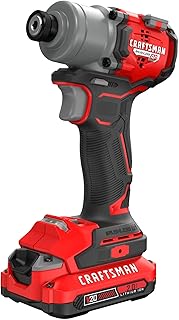
| 18V/20V full-size brushless | Decking, subfloor, framing, remodel | The all-rounder most people should buy |
| High-torque 3 or 4 mode | Structural screws, ledgers, lags | Heavy and loud, overkill for trim |
| Brushed budget models | Occasional homeowner jobs | Cheaper up front, shorter runtime and life |
What Actually Makes the Best Brushless Impact Driver Worth Buying
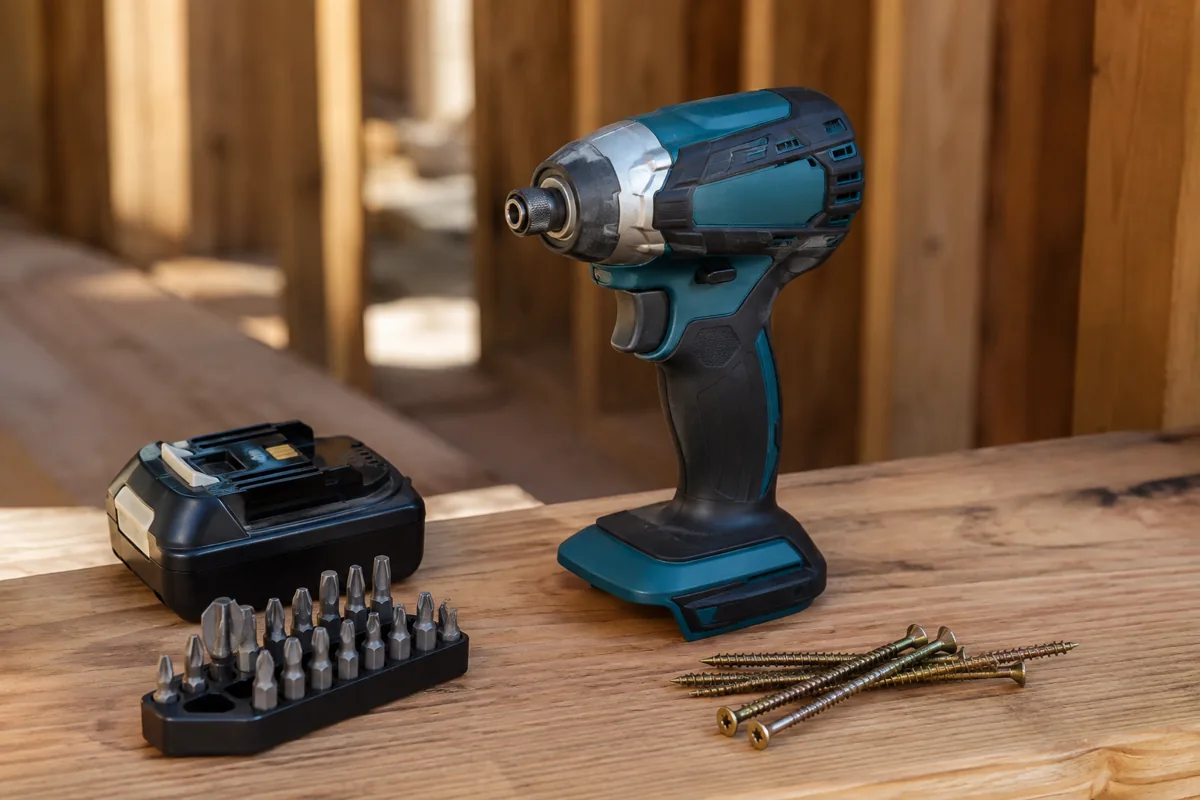
Brushless means no carbon brushes grinding themselves to dust. Electronics handle the switching instead, so less energy turns into heat and more of it turns into fastener. You feel that three ways: longer runtime from the same pack, a shorter head because the motor is more compact, and a tool that doesn’t slowly die after a few hundred hours in drywall dust.
Past that, the features that change my day are unglamorous. Multiple speed modes, so I can start a screw slow and finish fast. A self-tapping mode that creeps until the threads bite, which earns its keep in steel studs. A one-handed collet sleeve I can work with cold fingers. An LED placed so the tool doesn’t shadow its own bit. Nose length and weight matter more than buyers expect, because the driver you can hold square to a screw is the driver that sinks it clean.
Full-Size 18V/20V Brushless Impact Driver Kit
If you’re buying one driver, buy here. A full-size brushless tool from a major platform handles 3-inch deck screws, subfloor and cabinet work if you feather the trigger. Compare two-battery kits against bare tools, because the batteries are where most of the cost actually sits.
Torque Ratings Lie, Trigger Control Doesn’t
Peak torque on the box is measured at stall, in conditions that have nothing to do with your work. Past roughly 1,500 in-lbs, extra torque mostly buys you the ability to twist a screw head off faster. No number on a carton keeps a #2 Phillips bit from camming out when the tool sits five degrees off axis.
I’d rather have a low mode that stays genuinely low, a smooth trigger with no dead spot, and a mechanism that starts hammering the moment it needs to. Sound is information too. When the impacts change pitch and the tool begins to bog, the head has seated. That’s your cue to ease off, not to lean in harder.
Match the Driver to the Fastener, and Buy Better Bits
Technique first, since it’s free. Set the bit fully in the recess, put your weight behind the tool in a straight line with the screw, and lock your wrist so the driver can’t wander. Start in the lowest mode until the threads pull, then bump up. As the head comes down to the wood, back off the trigger. Square approach, steady inline pressure, and letting the impacts do the work is most of the job.
Pilot holes still matter, impacts or not. In softwood I skip them up to a #8 screw unless I’m within a couple inches of an end, where a split is close to guaranteed. In oak or maple I drill a pilot matched to the thread root diameter, not the outside of the threads, and wax the screw. Long structural screws usually want no pilot in framing lumber, but they do want a tool with real low-speed grunt so you’re not shoving.
Bits are the cheapest upgrade in the trade. Buy impact-rated bits with a visible torsion zone that flexes instead of shattering; bargain-bin screwdriver bits grenade under hammering. One-inch insert bits in a magnetic holder are stiffer and more accurate for hardware, while 2-inch power bits give you reach on deck boards and fences. Match the recess exactly, because a PH2 in a Pozidriv head chews it out, and most decking now wants T25 star drive. Retire bits when the tip corners go round, which happens long before they look broken.
12V Sub-Compact Brushless Impact Driver
This is what I grab for cabinets, hinges, strike plates and electrical boxes. Short nose, light in the hand, and far less likely to bury a #6 screw through a cabinet face. Not a deck tool, but as a second driver it saves more time than a bigger battery ever will.
Do You Need a High-Torque Model?
The heavy three and four mode drivers are genuinely useful if your week involves long structural screws, ledger boards, or lags through a hex-to-square adapter. They’re also longer, louder and heavier, and they will happily destroy trim fasteners in the wrong hands. If you’re running 3/8-inch lags and up on a regular basis, a mid-torque impact wrench is the better answer.
High-Torque Brushless Impact Driver
Worth the weight if you drive 4-inch and 6-inch structural screws. Shop for four modes and a self-tapping setting rather than chasing the top torque figure, and hold one before you commit.
- ✔ Real power for structural screws and lag work
- ✔ Extra modes give finer low-speed control
- ✔ Usually gets a brand’s newest electronics
- ✘ Longer nose and more weight, awkward overhead
- ✘ Easy to overdrive small fasteners
- ✘ Costs noticeably more than a standard brushless driver[/afk_cons>
Pick the Battery Platform, Not Just the Tool
Every major line makes a capable brushless driver now. DeWalt XR, Milwaukee FUEL, Makita LXT and the current Ryobi HP tools will all sink screws all day, and the gap between them is smaller than the gap between a sharp bit and a dull one. What isn’t small is the cost of committing to a battery family. If you already own packs, buy that brand’s bare tool and put the savings into bits and a decent charger. Starting fresh, look at the whole catalog first, and keep both a compact pack for balance overhead and a larger one for long runs.
Frequently Asked Questions
Can an impact driver replace my drill? No. It drives fasteners better than any drill and spins hex-shank bits for rough holes, but the hammering action is wrong for twist bits, hole saws and anything needing smooth constant speed. Drill for holes, impact for screws.
Are brushless impact drivers worth the extra money? If you use one weekly, yes, mainly for runtime and lifespan. If the tool comes out twice a year for flat-pack furniture, a brushed model is honest value and you won’t notice.
Why do I keep stripping screw heads? Almost always the bit, the angle, or the mode. Use impact-rated bits sized exactly to the recess, keep the driver in line with the fastener, start low, and release the trigger the second the head touches down.
Buy the driver that fits your batteries and your hands, spend the savings on impact-rated bits, and slow down for the first half inch of every screw. That beats any amount of extra torque printed on a box.
Check prices on Amazon →