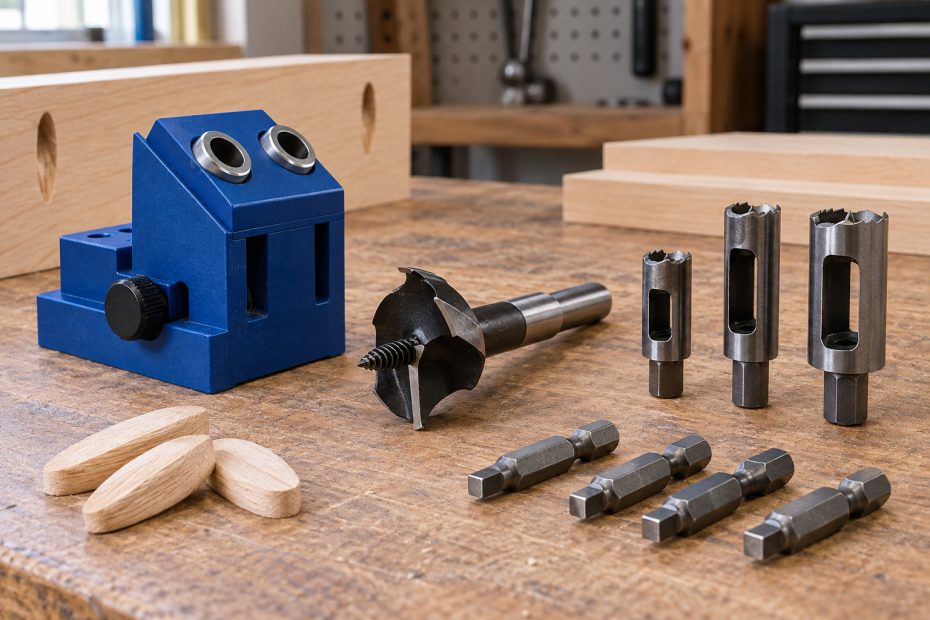
How to Fasten Two Boards Together With Pocket Screws
When pocket screws work Pocket screws are a quick way to join two boards at an angle, usually with one board’s end or edge meeting the face of another. A pocket-hole jig guides a short,…
When pocket screws work Pocket screws are a quick way to join two boards at an angle, usually with one board’s end or edge meeting the face of another. A pocket-hole jig guides a short,…
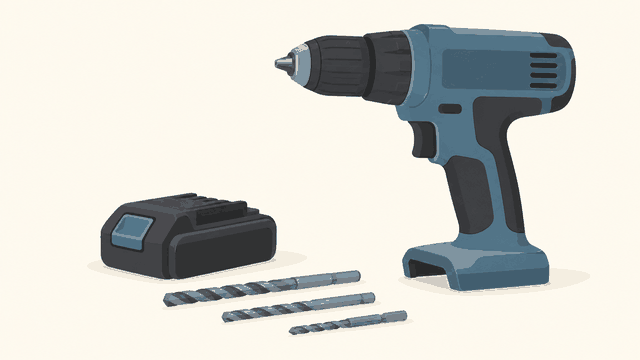
Why a pilot hole matters Hardwood can split when a brass screw is driven straight into it, especially near an edge or into dry, dense stock. A pilot hole removes wood from the screw’s core…
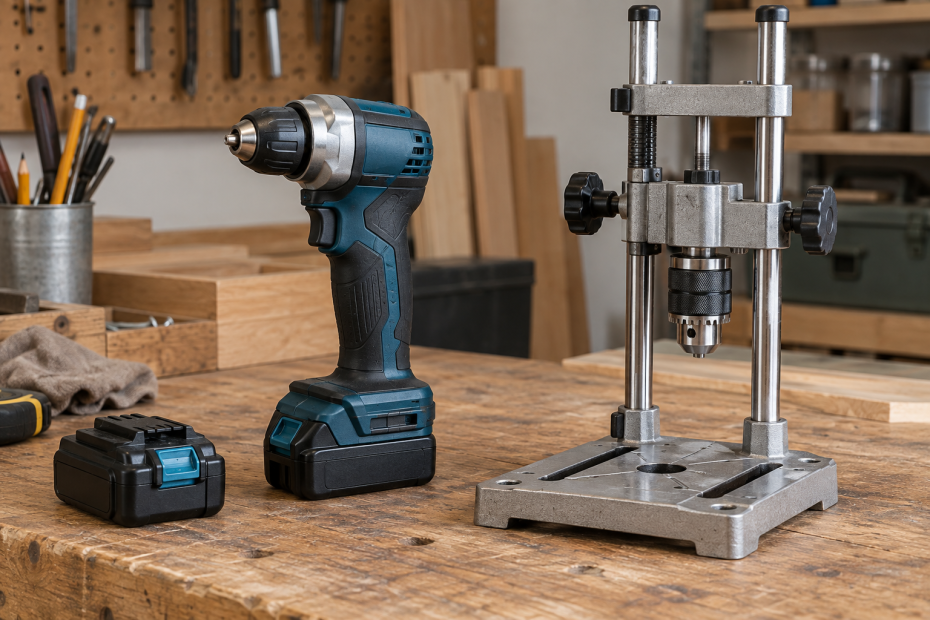
Repeated holes are easy to misplace and hard to fix once they are in a cabinet side, shelf bracket, or workpiece edge. A drill guide helps keep the bit square; a stop collar or depth…
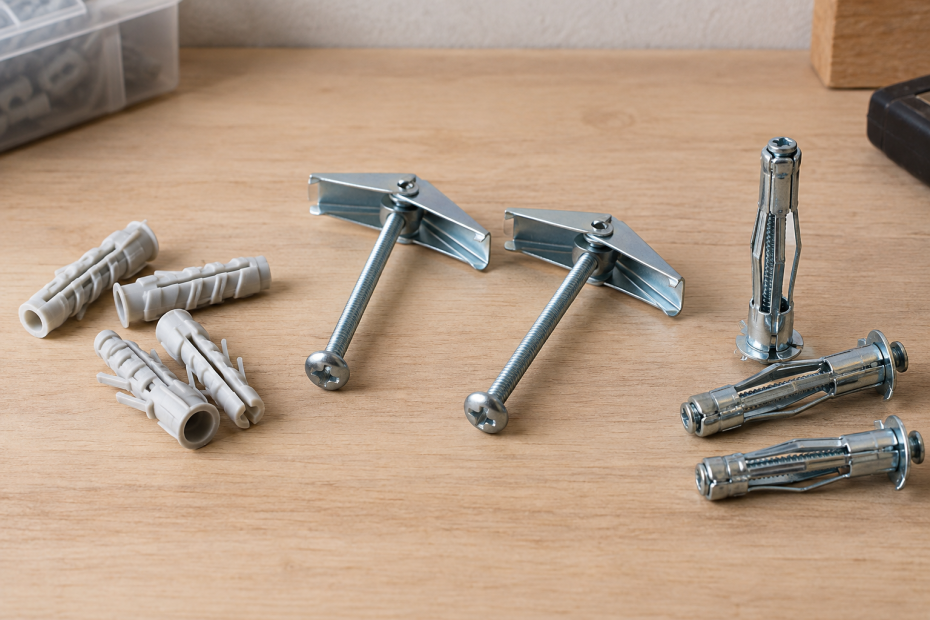
Drilling ceramic tile for a wall anchor is mostly a matter of controlling heat and keeping the bit from skating. The tile is hard but brittle: a standard twist bit can wander, and a hammer…
A large hole through a stud is usually needed for cable, pipe or conduit. The cleanest result comes from using a sharp bit, backing up the wood where possible and keeping the drill straight. The…
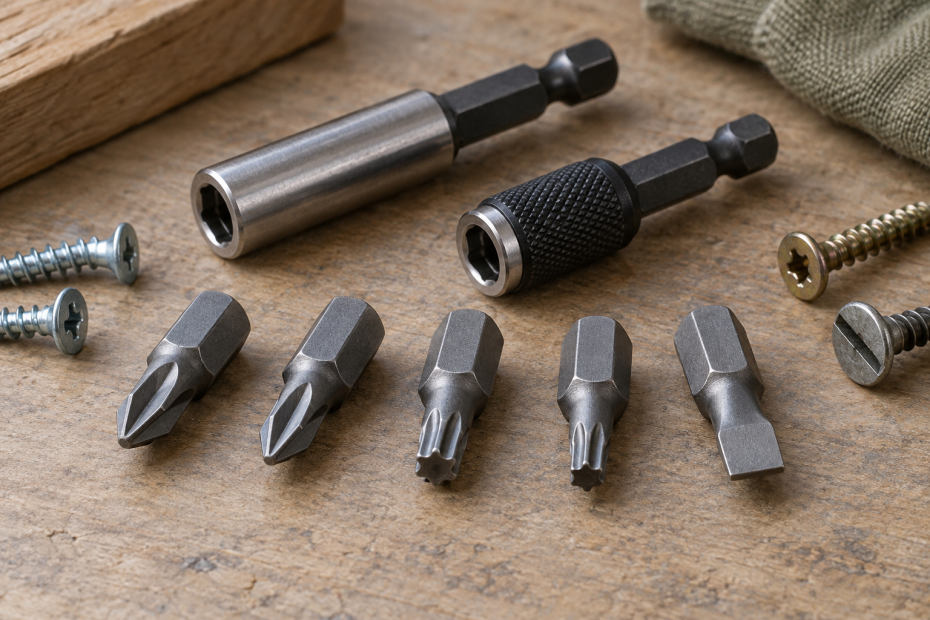
The right impact driver bit should match the screw’s recess, fit snugly, and tolerate the force your driver delivers. A bit that almost fits can cam out, chew up the screw head, or slip and…
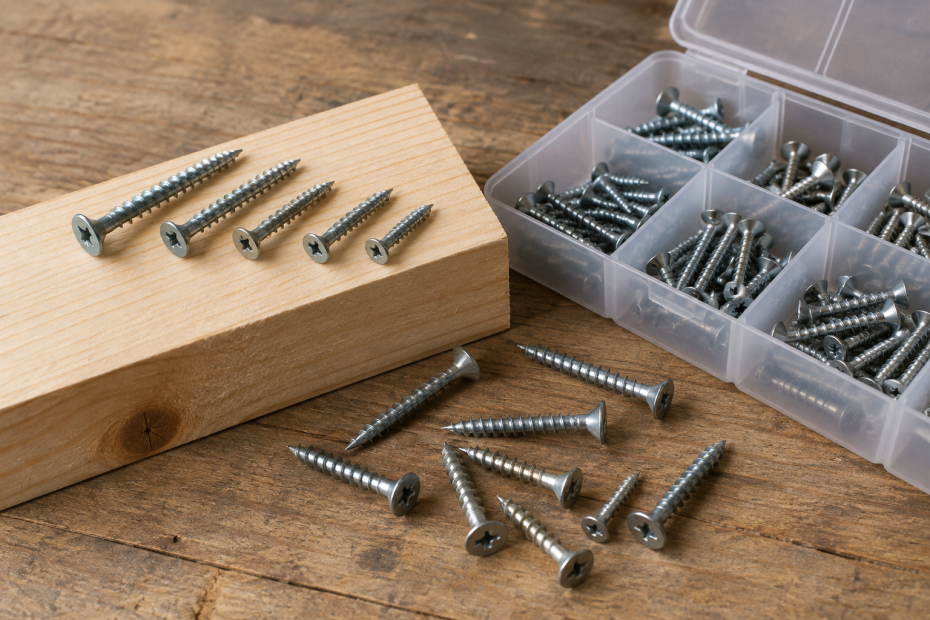
Quick answer For most everyday joints between two pieces of dimensional lumber, use a structural wood screw sized for the job. A 3-inch screw is a common choice for fastening a 2-by member through its…
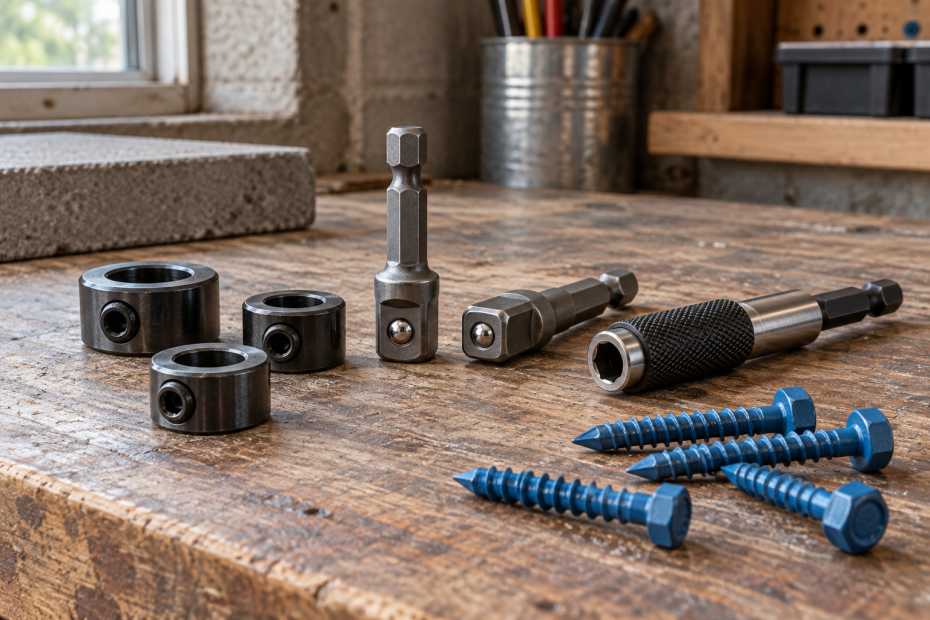
The right fastener depends on how thick the plywood is, how much weight it will carry, and whether you can drill into the concrete behind it. For most indoor projects, concrete screws are the simplest…
A hand towel ring puts modest weight on a wall, but repeated pulling can loosen a poor fixing. Tile-backed drywall adds two complications: the tile can crack if drilled or tightened carelessly, and an anchor…
For a small outdoor light bracket, the best anchor depends less on the light’s weight than on what the screws will bite into: solid brick, hollow brick, or the mortar joint. First identify the material…