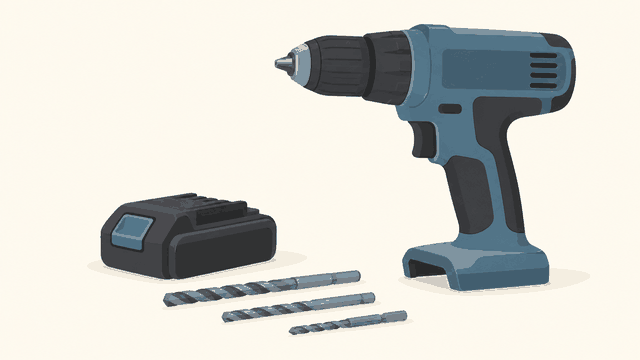
How to Drill Aluminum Without Clogging the Flutes
Aluminum is soft, but that does not make it easy to drill cleanly. Its chips can be long and sticky, and friction can make them pack into the bit’s flutes. Once that happens, the bit…
Aluminum is soft, but that does not make it easy to drill cleanly. Its chips can be long and sticky, and friction can make them pack into the bit’s flutes. Once that happens, the bit…
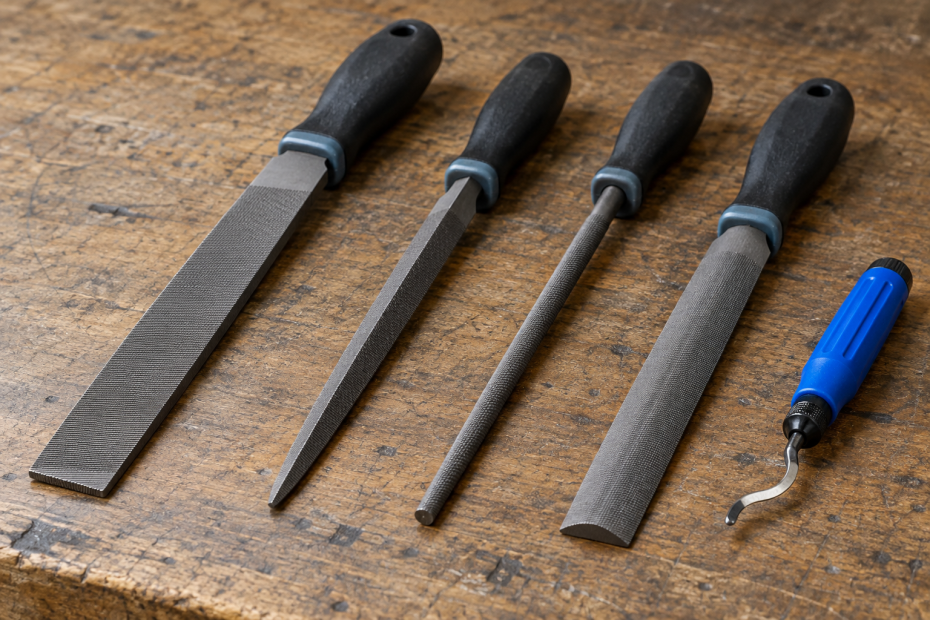
A drilled hole often has a raised lip, sharp edge or curled sliver of metal around its opening. That burr can cut hands, keep a washer from sitting flat, interfere with a screw or anchor,…
Drilling steel is less about brute force than heat control. A bit that gets too hot loses its temper, dulls quickly, and may leave a hole with a work-hardened surface that is even harder to…
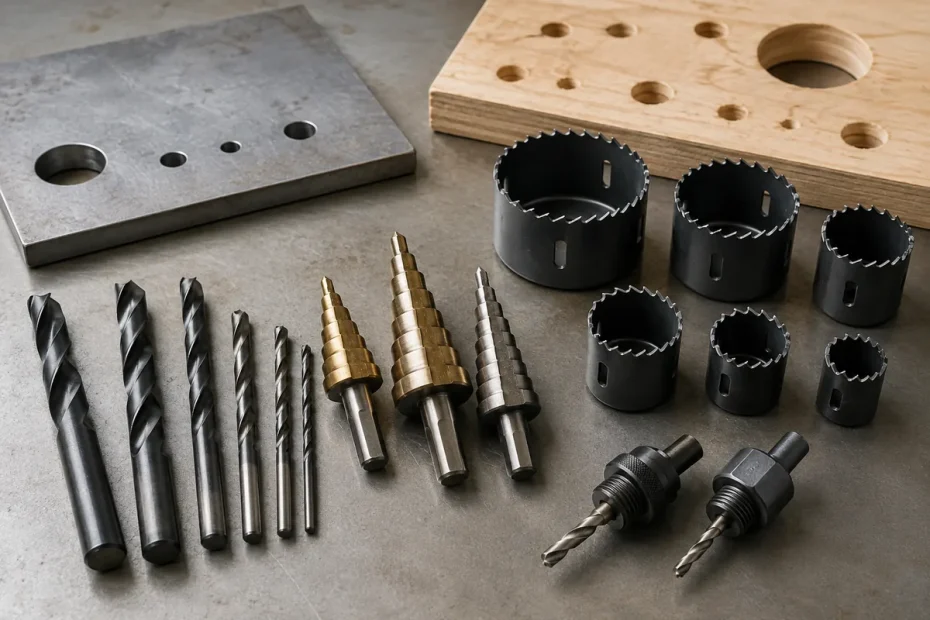
Why use cutting oil when drilling metal? Cutting oil lubricates the contact between a metal drill bit and the workpiece, reducing friction and helping carry heat away from the cutting edge. That matters most when…
Why plywood tears around a hole Plywood is made of thin wood layers, with the grain in adjacent layers running in different directions. That construction makes it stable, but the face veneer can chip when…
Wood drill bits usually do not need replacing just because they stop cutting cleanly. A dull edge can often be restored with a small file or bench grinder, provided the bit is a common twist…
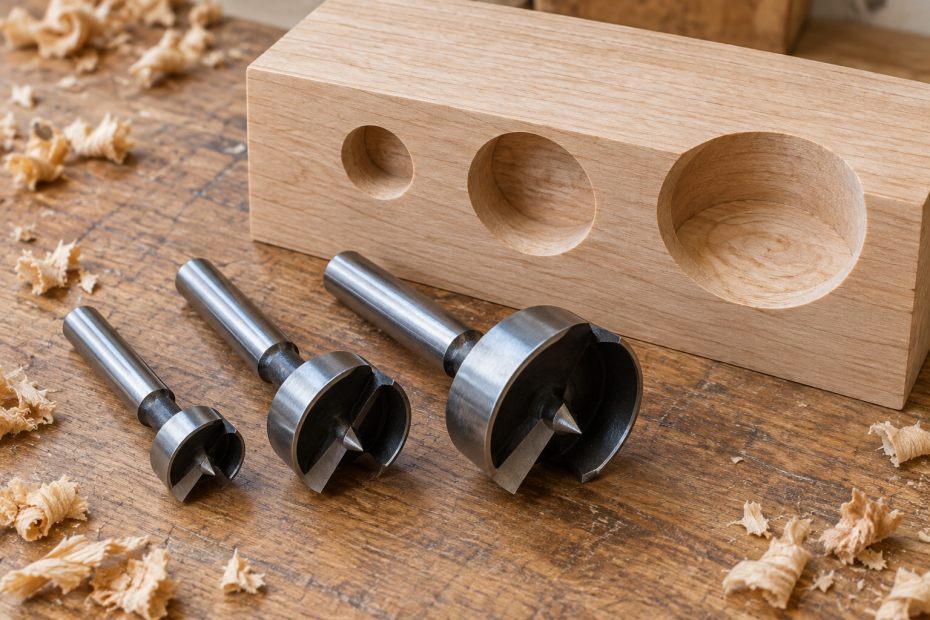
A Forstner bit burns wood when its cutting edges rub instead of shaving, usually because the bit is turning too fast, feeding too slowly, or carrying packed chips. The fix is not simply to push…
Choose the right hole saw A hole saw cuts a round opening around a central pilot bit. It is useful for large holes through boards, plywood, cabinet panels, and similar material—especially when a spade bit…
Laminate chips when the drill bit lifts or tears the brittle surface layer as it exits. The fix is mostly about controlling the bit: use a sharp bit suited to the hole, support the laminate,…
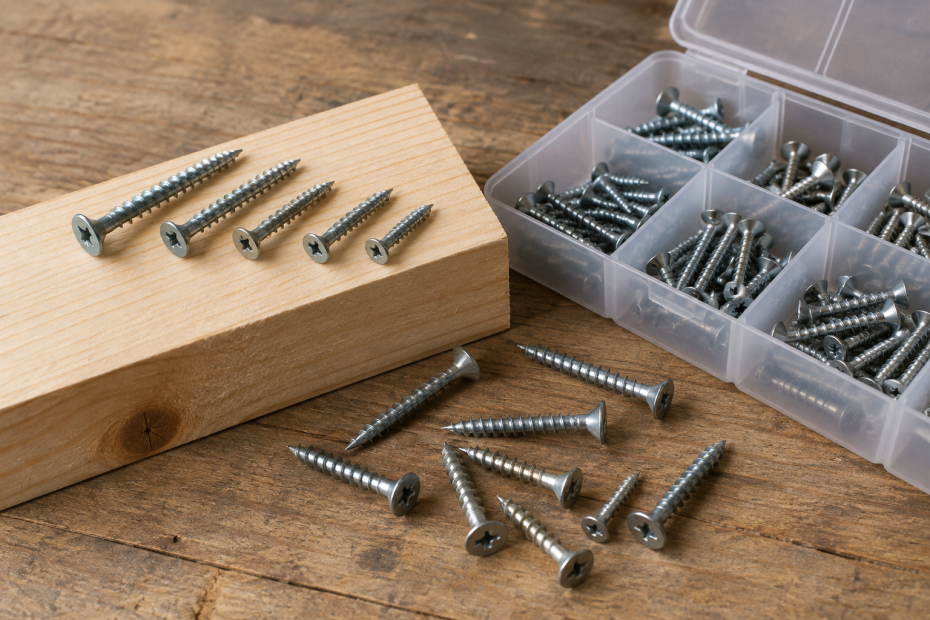
End grain is the exposed end of the wood fibers, such as the end of a board or the end of a joist. Screws driven into it can split the wood, strip their grip, or…