Skip to content
AI-generated editorial illustration of wood screws

How to Drive Screws into Pressure-Treated Wood

  • by

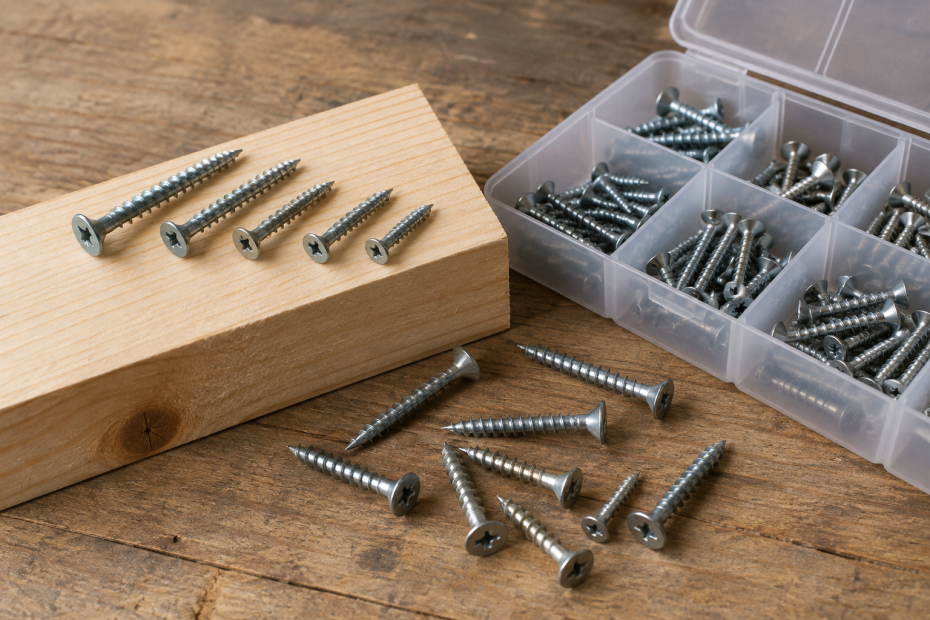
Pressure-treated wood is wet, dense, and chemically aggressive toward ordinary steel. That combination makes screw-driving harder than working with dry pine. Screws can snap, heads can strip, boards can split, and unprotected fasteners can rust… 
AI-generated editorial illustration of wood screws

How to Countersink Screws in Hardwood

  • by

Countersinking lets a screw head sit flush with, or just below, the surface of hardwood. Done well, it leaves a clean finish and helps prevent the wood from splitting. The key is to make a… 

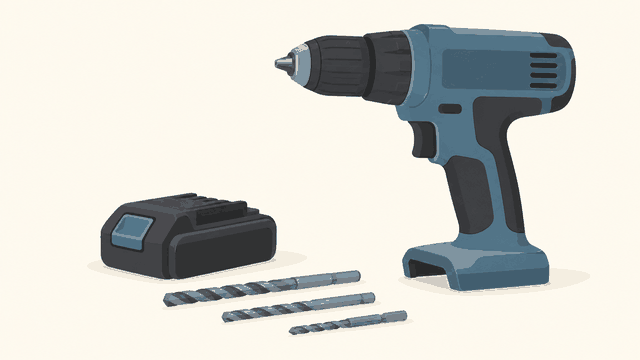
Editorial illustration: unbranded cordless drill beside a detached battery and drill bits.

How to Drill Anchor Holes at the Correct Depth

  • by

Drill an anchor hole only as deep as the anchor and its instructions require. Too shallow, and the anchor may sit proud or fail to expand properly. Too deep, and it can disappear into the… 

AI-generated editorial illustration of wood screws

How to Keep Wood from Splitting When Driving Screws

  • by

Splitting usually starts when a screw pushes wood fibers apart faster than they can bend or compress. The risk goes up near an edge, in narrow stock, with large screws, and in dry or brittle… 

AI-generated editorial illustration of masonry expansion anchors

How to Clean Dust from a Masonry Anchor Hole

  • by

Dust left in a masonry hole can keep an anchor from seating fully and reduce its grip. The cleanup method depends on the anchor type and hole size, but the basic goal is the same:… 

AI-generated editorial illustration of drill stop collars and adapters

How to Use a Depth Stop for Repeated Drill Holes

  • by

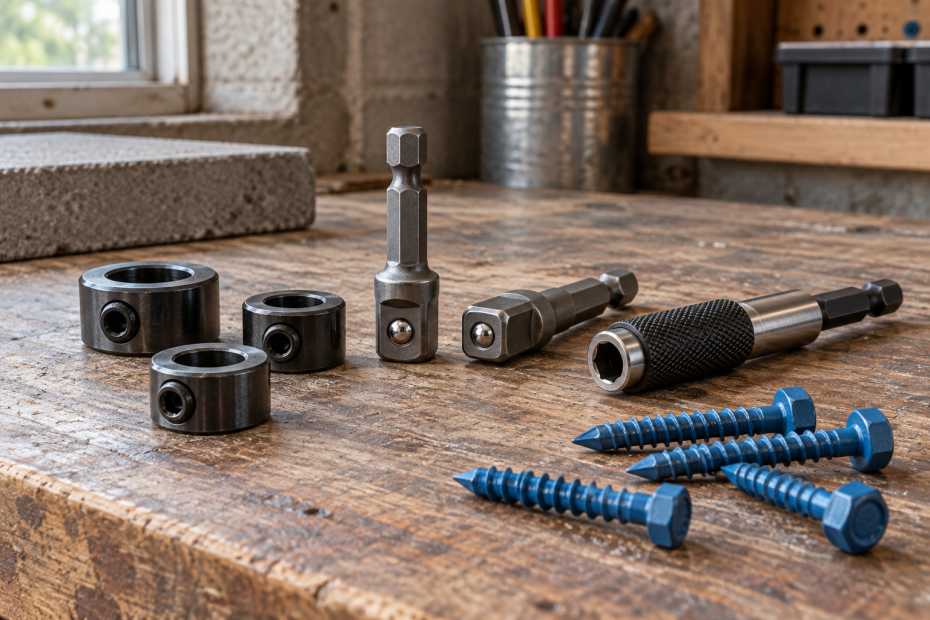
What a depth stop does A depth stop limits how far a drill bit can travel into a workpiece. That matters when you need several holes the same depth, such as pilot holes for screws,… 

AI-generated editorial illustration of masonry expansion anchors

How to Set a Wedge Anchor Correctly

  • by

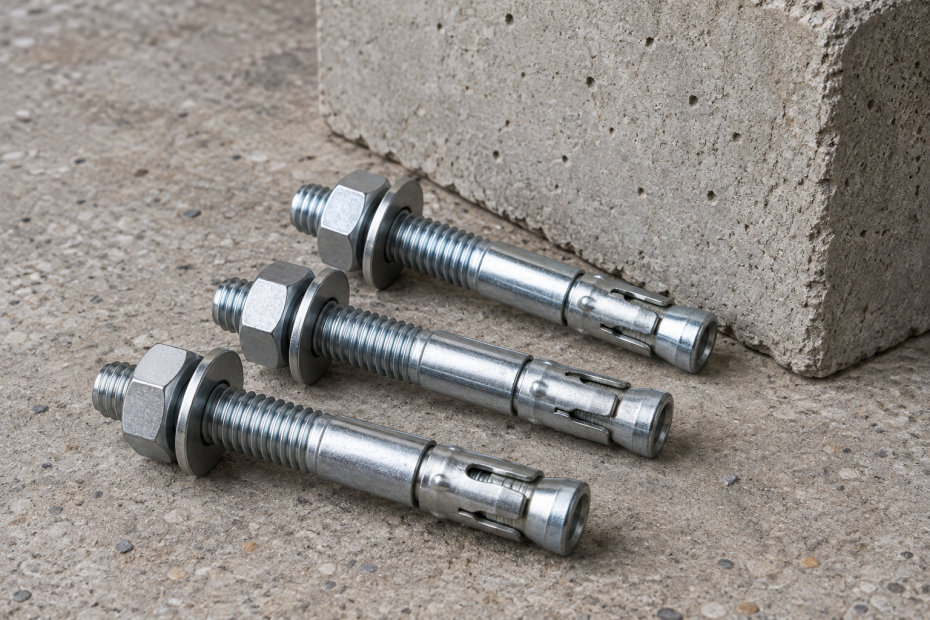
What a wedge anchor does A wedge anchor is a steel fastener for attaching a fixture to solid concrete. It consists of a threaded stud, nut, washer and expansion clip near the bottom. As you… 

AI-generated editorial illustration of drill stop collars and adapters

How to Use Concrete Screws in a Block Wall

  • by

Concrete screws are a practical way to attach shelves, brackets, conduit, furring strips, and other light- to medium-duty items to a concrete block wall. The installation is straightforward: drill a correctly sized hole, clear the… 

AI-generated editorial illustration of masonry expansion anchors

How to Install a Sleeve Anchor in Concrete

  • by

A sleeve anchor is a mechanical fastener for attaching items such as brackets, rails, and light equipment to solid concrete or masonry. Tightening its nut pulls a tapered cone into a metal sleeve, expanding the… 

AI-generated editorial illustration of wall anchors

How to Remove a Damaged Drywall Anchor

  • by

Identify the anchor before removing it A damaged drywall anchor may be loose, stripped, broken off below the wall surface, or spinning in its hole. The right removal method depends on what is left behind.…