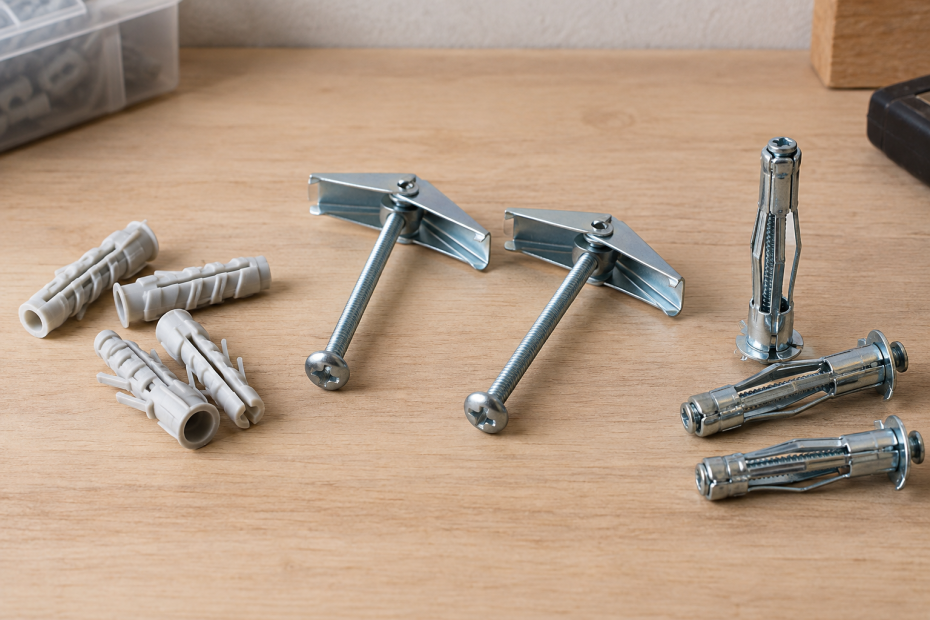
How to Install a Toggle Anchor Behind Drywall
When to use a toggle anchor A toggle anchor is useful when you need to hang something from hollow drywall and there is no stud where the fastener needs to go. Behind the wall, spring-loaded…
When to use a toggle anchor A toggle anchor is useful when you need to hang something from hollow drywall and there is no stud where the fastener needs to go. Behind the wall, spring-loaded…
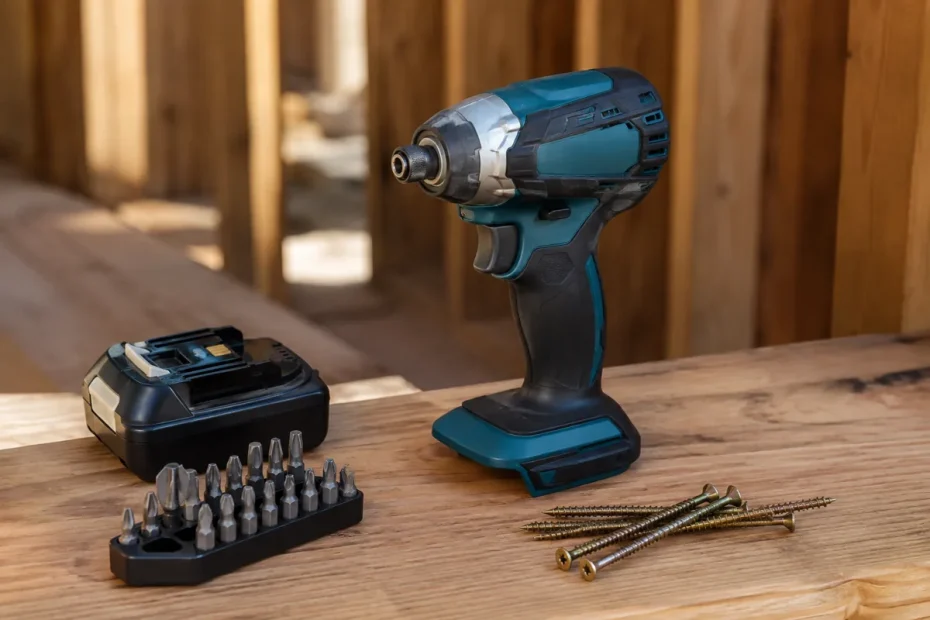
A stripped screw is not automatically a job for more torque. An impact driver can help when the bit still has enough grip to turn the screw, but it can also chew the head beyond…
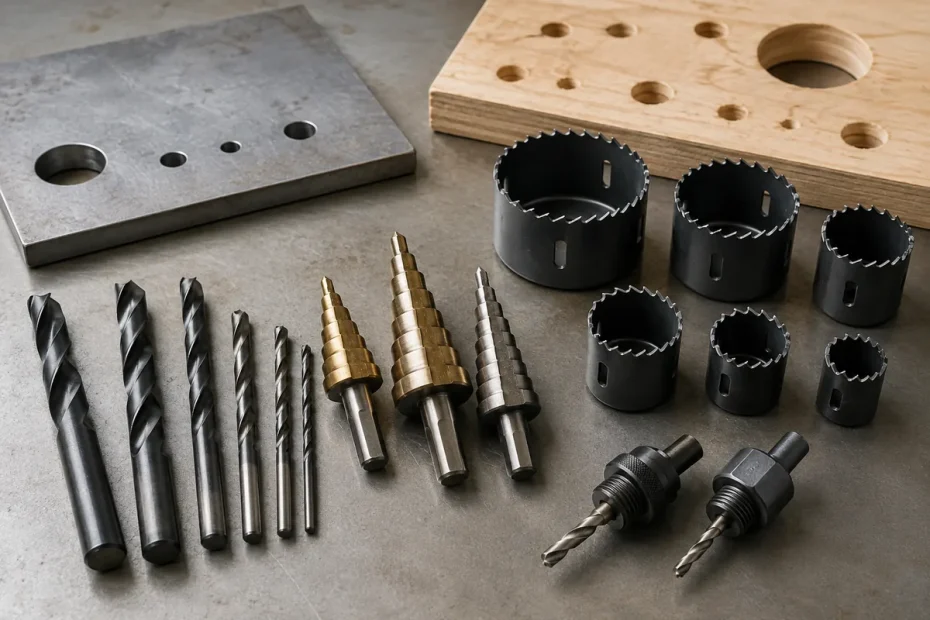
Cobalt Bits vs Titanium-Coated Bits for Metal Drilling For occasional metal drilling, titanium-coated bits are usually the better value. For repeated drilling in stainless steel, hard steel, or other difficult alloys, cobalt bits are the…
Choosing a wall anchor starts with measuring the drywall, not guessing from the package photo. A plug that fits 1/2-inch board may protrude, spin, or fail in 5/8-inch board; a toggle that works in a…
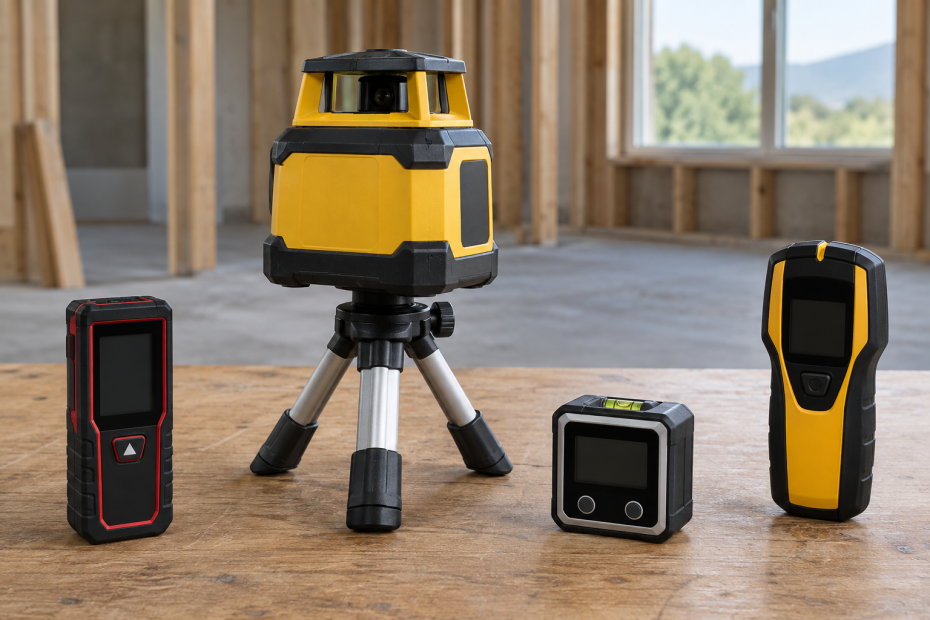
Finding a stud before drilling is a small check that prevents loose shelves, damaged walls and misplaced holes. A stud finder is useful, but it is not foolproof: metal pipes, wiring, foil-backed insulation and changes…
A wall anchor works only when its size and style match the load and the wall. In hollow drywall, the anchor’s back side must grip the back of the panel or spread the load across…
Cam-out happens when a screwdriver bit climbs out of a screw’s recess instead of turning the screw. With an impact driver, that can happen quickly: the bit slips, chews up the head, and may scratch…
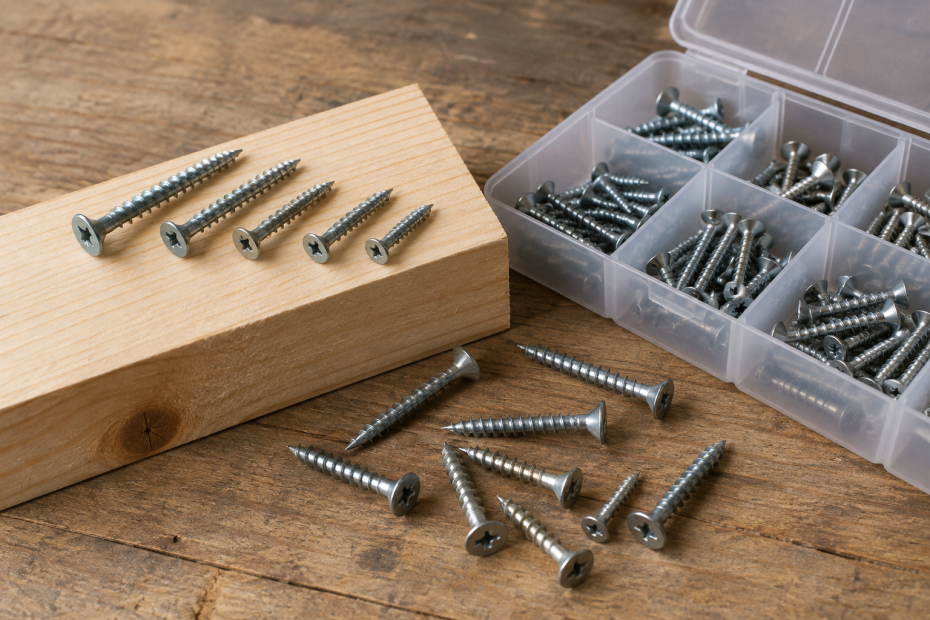
Long screws are easy to start badly. A bit that wobbles, a driver that spins too fast, or a screw forced into a knot can round the recess before the head is even close to…
Why pilot holes matter A pilot hole gives a screw a path into the material. The right size reduces splitting and driving effort without removing so much material that the threads lose their grip. Too…
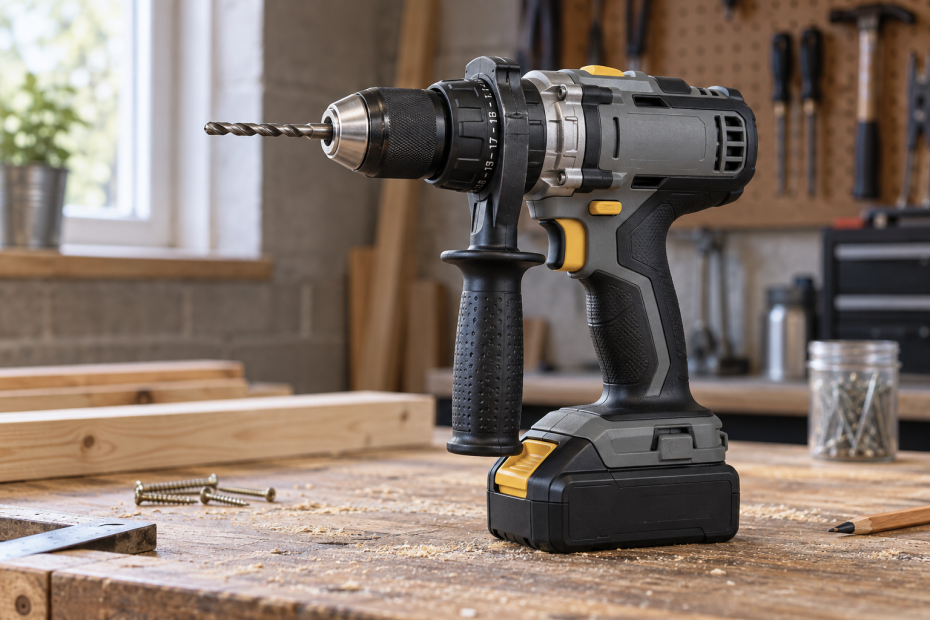
Hammer mode helps a drill break into brick, block, or concrete by adding a rapid forward-and-back удар to the bit’s rotation. It is useful for small holes, such as those for wall plugs or light-duty…