What's inside
As an Amazon Associate I earn from qualifying purchases. This post may contain affiliate links at no extra cost to you.
What we cover
Choose the core drill bit by material, diameter, and water access
For concrete or masonry, choose a diamond core drill bit—wet for frequent or deep drilling when water can be managed, and dry for occasional holes or places where slurry is a problem. For glazed tile, use a tile-rated diamond bit and follow its wet-or-dry instructions; carbide is usually the budget choice for softer, abrasive masonry such as block, not the best all-around option for dense concrete or porcelain.
There is no single “best” tooth material at every diameter. A small tile hole and a large concrete penetration put very different demands on a bit, drill, and operator. Match the bit’s stated material range and operating method to the job, then check that your drill can safely run it.
As an Amazon Associate we earn from qualifying purchases at no extra cost to you.
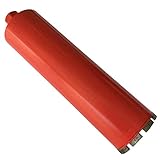


Diamond vs. carbide: what changes at the cutting edge?
| Feature | Diamond core bit | Carbide-tooth core bit |
|---|---|---|
| Cutting surface | Industrial diamond held in a metal bond, often as a continuous rim or segmented crown | Carbide inserts or teeth that chip and scrape material |
| Best fit | Concrete, reinforced concrete (if rated), hard masonry, porcelain and other hard tile, depending on the bit | Generally softer masonry and block; suitability depends on the maker’s material rating |
| Cutting action | Abrasively grinds a narrow kerf; typically produces a cleaner, more controlled hole in hard material | Impacts or scrapes material; can be fast in suitable masonry but may leave a rougher edge |
| Water compatibility | Available in wet-only, dry-only, and wet/dry designs—check the specific bit | Many masonry versions run dry, but follow the bit and tool instructions |
| Wear to watch | Diamond exposure and bond wear; glazing can reduce cutting performance | Tooth wear, chipping, and loosening; damaged teeth can make cutting erratic |
“Diamond” does not automatically mean suitable for every material or operating method. A bit designed for wet coring may overheat or wear quickly if run dry, while a dry-rated tile bit may be damaged by an unsuitable water feed. Likewise, a carbide bit intended for block is not a substitute for a bit rated for reinforced concrete. Read the application and speed guidance on the bit, not just the diameter printed on the package.
Pick by diameter and material
The ranges below are practical examples of common hole sizes, not universal limits. Core bit and drill capacities vary by manufacturer, and large diameters may require a dedicated rig or a drill with a rated clutch and side handle. The approximate cut depth assumes a typical short, handheld hole; deeper work depends on the barrel length and setup.
| Nominal diameter | Common job | Likely bit choice | Wet or dry guidance |
|---|---|---|---|
| 6–12 mm (¼–½ in) | Small anchors, tile fixings, pilot-sized penetrations | Tile-rated diamond for porcelain or hard tile; masonry-rated carbide or diamond for suitable block | Dry-rated tile bits can suit small, occasional holes; use water when the bit requires it or the maker permits it |
| 16–32 mm (⅝–1¼ in) | Pipe, cable, and fixture penetrations | Diamond for concrete, dense block, and hard tile; carbide for softer masonry where rated | Wet helps control heat in sustained hard-material drilling; dry may be more practical for a few holes with dust control |
| 35–68 mm (1⅜–2⅝ in) | Small plumbing or service openings | Diamond is the more versatile choice for concrete and hard tile; select a block-rated carbide option only for suitable masonry | Wet coring is generally easier on the bit during extended work; dry coring needs a dry-rated bit and dust extraction |
| 70–152 mm (2¾–6 in) | Larger pipe, duct, or vent openings | Diamond core bit matched to concrete or masonry and the drill/rig’s capacity | Wet is often preferred for sustained concrete coring if the site allows water management; dry requires an approved bit, extraction, and careful heat control |
Before buying, confirm the hole diameter, required depth, material, and whether you may encounter steel reinforcement. Check the drill’s maximum core diameter and whether it allows wet use. A handheld drill’s ordinary chuck capacity does not establish that it can safely drive a large core bit.
Wet vs. dry: choose for the site, not just convenience
Choose wet coring when
- You are drilling concrete or another hard material for extended periods, and the bit is designed for water.
- You can contain and remove slurry without letting water reach electrical equipment or finished surfaces.
- The work setup allows secure control of the drill or core rig and a reliable water supply.
Water cools the cutting edge and carries away abrasive debris, which can help a suitable diamond bit cut consistently. The trade-off is slurry: protect nearby surfaces, manage runoff, and use only equipment approved for wet operation. Never assume a standard drill is safe to use with water.
Choose dry coring when
- You need to avoid slurry—for example, indoors near finished surfaces—and the bit is explicitly dry-rated.
- The hole is occasional or the material and diameter are within the bit and tool’s stated limits.
- You can control dust with an appropriate shroud and extraction system.
Dry does not mean dust-free. Masonry and concrete dust can be hazardous to breathe, so use suitable dust extraction and respiratory protection under applicable safety guidance. Pause as directed by the manufacturer to let the bit cool; do not quench a hot bit unless its instructions specifically allow it.
Buying choices by job and experience
| Your situation | Practical choice | Why |
|---|---|---|
| One or two small holes in soft block; tight budget | A masonry-rated carbide bit in the required diameter | Lower initial cost can make sense when the material is within its rating and use is occasional. |
| Porcelain or glazed tile | A tile-rated diamond bit sized to the opening | Tile hardness and finish call for a bit intended to cut tile; use its specified wet or dry method. |
| Repeated holes in concrete; water can be managed | A concrete-rated diamond bit, usually on a compatible wet-coring setup | Cooling and debris removal matter more as drilling time and diameter increase. |
| Indoor retrofit where water is impractical | A dry-rated diamond bit, suitable drill, and dust extraction | Avoids slurry, but requires strict attention to dust and heat. |
| Large opening or unfamiliar handheld setup | Check the drill maker’s core-bit capacity; use an appropriate rig or qualified operator if needed | Torque and reaction force rise with diameter. The bit alone does not make a setup safe. |
For a cost comparison, divide the bit’s purchase price by the number of acceptable holes it is expected to make in your actual material—not by a claimed capacity from a different material or operating method. For example, if a bit costs $60 and lasts for 30 suitable holes, its bit cost is $2 per hole. If it lasts for only 10 holes in a harder material, that becomes $6 per hole, before labor, water handling, or dust control. These are illustrative calculations, not a lifespan guarantee.
Setup and care that help a bit last
- Check what is behind the surface. Scan for embedded services and reinforcement, and confirm that making the opening is permitted. Do not cut structural reinforcement without appropriate approval.
- Secure the work and guide the start. Use a template or guide where appropriate, especially on tile. Keep the tool square and avoid forcing the bit sideways.
- Use the specified speed and pressure. Excessive force can overheat the edge, damage teeth, or bind the barrel. Follow the bit maker’s instructions for speed, feed, and any pauses.
- Clear the core and debris safely. Stop the drill before removing a stuck core or clearing material. Disconnect power where required by the tool instructions.
- Clean and inspect after use. Remove slurry or dust, dry the bit if appropriate, and check for cracks, missing segments, damaged teeth, or a barrel that no longer runs true.
Diamond bits can slow when their cutting surface becomes glazed—often from unsuitable speed, pressure, or material. Use only the manufacturer’s approved method to restore cutting action. Carbide bits lose performance as teeth wear or chip; continuing with damaged teeth can worsen the cut and increase vibration. Replace a bit when its condition or the maker’s guidance indicates it is no longer safe or effective.
Bottom line
For concrete and hard tile, start with a material-rated diamond core drill bit, then choose wet or dry according to the bit’s design and the site’s ability to manage water or dust. For occasional holes in suitable soft block, carbide may be a more economical option. As diameter and drilling frequency increase, prioritize a compatible drill or rig, safe work control, and the right cleanup system—not just the lowest bit price.