Our Top Picks
What's inside
As an Amazon Associate I earn from qualifying purchases. This post may contain affiliate links at no extra cost to you.
If you want the best cordless framing nailers 18V can offer, start with the Metabo HPT NR1890 family, the Makita XNB03M1 kit, and the RYOBI and RIDGID 18V models, then decide on three things: 21 degree or 30 degree collation, kit or bare tool, and which battery platform you already own. Seven of the eight listings below are real framing nailers. The eighth, a Makita brad nailer, is not, and we explain why it is here.
This guide is written for people who frame for a living or often enough that a nailer needs to earn its keep. That means more attention to collation, magazine angle and battery math than to anything glossy. You will find a nails-per-wall estimate with stated assumptions, a kit versus bare-tool comparison, and a short job-site safety section that matters more than any feature list.
What we cover
Three decisions that settle most of this

ONEAND HP 18V BRUSHLESS Cordless AIRSTRIKE 30° FRAMING Nailer Tool ONLY


As an Amazon Associate we earn from qualifying purchases. Product prices and availability are accurate as of the date/time indicated.

RIDGID 18V Brushless Cordless 21° 3-1/2 in. Framing Nailer, Tool Only


As an Amazon Associate we earn from qualifying purchases. Product prices and availability are accurate as of the date/time indicated.

Metabo HPT 18V Paper Tape Cordless Framing Nailer, 30° Kit, NR1890DCA | 3-1/2 in. Capacity, MultiVolt 4.0Ah Lithium Ion Battery Included, Drives Clipped & Offset Round Head Nails


As an Amazon Associate we earn from qualifying purchases. Product prices and availability are accurate as of the date/time indicated.

Makita XNB03M1 18V LXT® Lithium-Ion Brushless Cordless 21º Full Round Head 3-1/2" Framing Nailer Kit (4.0Ah)


As an Amazon Associate we earn from qualifying purchases. Product prices and availability are accurate as of the date/time indicated.

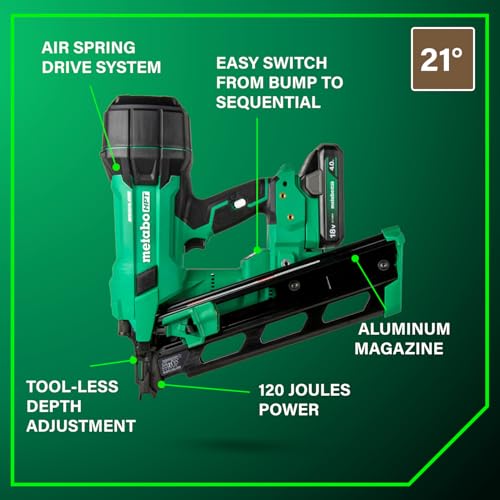
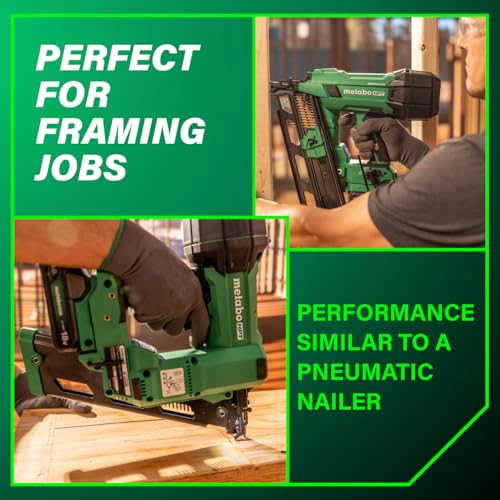
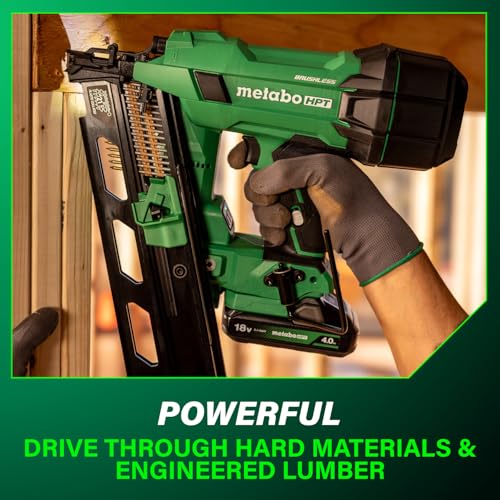
Metabo HPT Cordless Framing Nailer, MultiVolt 21° Kit, NR1890DRA | Plastic Strip Design, 4.0Ah Lithium Ion Battery Included, Drives 2 to 3-1/2 in. Nails, 18V Power Tool




As an Amazon Associate we earn from qualifying purchases. Product prices and availability are accurate as of the date/time indicated.

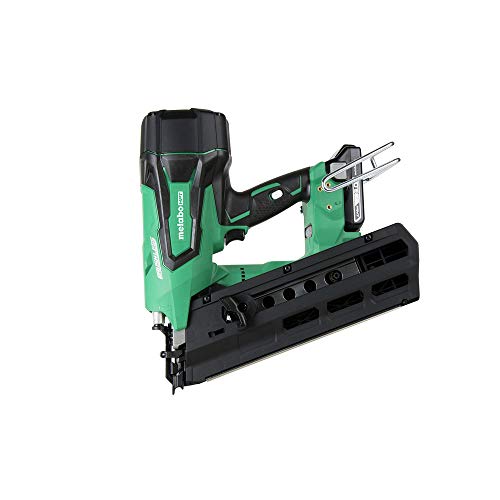
Metabo HPT Cordless Framing Nailer Kit, 18V, Brushless Motor, 2" Up To 3-1/2" Framing Nails, Compact 3.0 Ah Lithium Ion Battery, Lifetime Tool Warranty (NR1890DRS)

As an Amazon Associate we earn from qualifying purchases. Product prices and availability are accurate as of the date/time indicated.

18V ONE+ HP BRUSHLESS 30° AIRSTRIKE FRAMING NAILER KIT
As an Amazon Associate we earn from qualifying purchases. Product prices and availability are accurate as of the date/time indicated.
Decision one: collation angle and nail type
The angle in a framing nailer’s name refers to how nails sit in the magazine strip. The titles in this set mention 21 degree tools with plastic collation and full round head nails, and 30 degree tools, one of which names paper tape and clipped or offset round heads. You must buy nails that match the angle and collation of your tool. A nailer is not a universal machine, so check before ordering a thousand-count box.
Also be aware that building authorities can restrict nail head types in some jurisdictions or for some uses. That is not legal advice, only a prompt to confirm what your local office accepts for your project.
Decision two: kit or bare tool
The two tool-only listings, from RYOBI and RIDGID, cost clearly less than the kits. If you already have 18V batteries on the right platform, buying bare makes sense. If you do not, the price gap tends to close once you add a battery and charger. We treat this as a cost calculation later in the guide.
Decision three: platform
Batteries are the long-term commitment. A Makita 18V LXT battery fits Makita LXT tools. RYOBI ONE+ batteries fit ONE+ tools. Metabo HPT lists MultiVolt batteries for some tools. Whether a battery from one line fits another depends on the maker, and the safest assumption is that it does not. Check the platform on the listing, and avoid buying a bare tool for a system you do not own.
All eight at a glance
“Price tier” divides this set into thirds from lowest to highest cost, so the label compares tools to each other. Bare tools and kits are mixed, so a “Budget” tool-only listing is not the same as a budget kit.
| Model | Key spec from the title | Price tier | Best for |
|---|---|---|---|
| RYOBI 18V ONE+ HP Brushless 30 degree AIRSTRIKE Framing Nailer, Tool Only | 30 degree, brushless, tool only | Budget | RYOBI owners with spare batteries |
| Makita XNB04Z 18V LXT Brushless 2 inch Brad Nailer, Tool Only | 18 gauge brad nailer, tool only | Budget | Trim work, not framing |
| RIDGID 18V Brushless 21 degree 3-1/2 in. Framing Nailer, Tool Only | 21 degree, brushless, tool only | Budget | RIDGID 18V owners |
| RYOBI 18V ONE+ HP Brushless 30 degree AIRSTRIKE Framing Nailer Kit | 30 degree, brushless, kit | Mid-range | Starting a RYOBI platform |
| Metabo HPT NR1890DRS Cordless Framing Nailer Kit | 2 in. to 3-1/2 in. nails, 3.0Ah battery, brushless | Mid-range | Lighter-duty kit buyers |
| Metabo HPT NR1890DCA Paper Tape Framing Nailer Kit | 30 degree paper tape, 3-1/2 in., MultiVolt 4.0Ah | Premium | Paper-tape 30 degree users |
| Metabo HPT NR1890DRA Framing Nailer MultiVolt Kit | 21 degree plastic strip, 2 to 3-1/2 in., 4.0Ah | Premium | 21 degree plastic-strip users |
| Makita XNB03M1 18V LXT Brushless 21 degree Framing Nailer Kit | 21 degree full round head, 3-1/2 in., 4.0Ah | Premium | Makita LXT crews |
The eight listings in detail
RYOBI 18V ONE+ HP Brushless 30 degree AIRSTRIKE Framing Nailer, Tool Only: the lowest-cost framing tool
This listing appears as “ONEAND HP 18V” in the title, which looks like a typo for the ONE+ line, so confirm the battery platform on the product page before ordering. The rest of the title is clear: brushless, cordless, AIRSTRIKE branding, 30 degree, framing nailer, tool only. “Tool only” means no battery and no charger.
A 30 degree magazine is more compact than a 21 degree one at the nose, which can help you reach tight corners, stud bays and joist hangers. The title does not tell you which nail types or lengths it accepts, so verify the nail range on the product page. It also does not give the tool weight, the trigger modes, or the depth adjustment style.
The price tier is the key factor. Of all the real framing nailers in this set, this is the cheapest way in, provided you already own RYOBI 18V batteries. If you do not, the gap to the RYOBI kit listing is the price of a battery and charger. We estimate it later in the guide using only relative comparison, since we avoid quoting exact prices.
For a homeowner building a deck or a shed, a tool-only buy can be sensible if the batteries from drills and mowers already live in your garage. For a crew that nails all day, battery count matters more than anything else on the page.
Pros
- Lowest price tier among true framing nailers in the set
- Brushless motor named in the title
- 30 degree format, compatible with the matching 30 degree nails
- Works with the RYOBI battery you may already own
Cons
- No battery or charger in the box
- Title has a typo-like platform name; verify compatibility first
- Nail length range, weight and trigger modes are not in the title; check the listing
Who it’s for: DIY builders already invested in RYOBI 18V batteries.
RYOBI 18V ONE+ HP Brushless 30 degree AIRSTRIKE Framing Nailer Kit: the starter route
The kit listing shares its core description with the tool-only version, replacing “Tool Only” with “Kit.” What exactly is in the kit, such as battery capacity or charger, is not stated in the title, so verify on the product page before you count on a particular amp-hour rating.
Comparing the two listings is a lesson in cost. The kit sits roughly a third higher in price than the bare tool, based on the relative difference in this set, which is a rough proxy for what a battery and charger cost. If you do not own RYOBI 18V batteries, the kit is the only sensible option. If you do own them, the bare tool saves that difference.
It also helps to think about how many batteries you need on a job. A single battery runs down and then you wait for the charger. For day-long framing, two batteries is the usual floor, and one nailer kit with one battery is a starter configuration. If you plan to frame a lot, budget for a spare.
The 30 degree angle here has the same nail-matching constraint as above. Verify that the nails you can buy locally match the collation your local lumber yard stocks.
Ask what else you could run from the same battery. Owners of RYOBI mowers, trimmers or drills get extra value from every pack added, which is the usual argument for committing to one platform. Check the listing for the exact kit contents before counting on any particular accessory.
Pros
- Kit format means you can start framing without owning RYOBI batteries
- Same brushless, 30 degree tool as the bare version
- Mid-range tier is below the premium Metabo and Makita kits
- Shares batteries with other RYOBI ONE+ tools
Cons
- Battery capacity is not stated in the title
- Single battery limits long framing days
- Nail range and weight are not in the title; check the listing
Who it’s for: new RYOBI platform adopters who want a complete starter package.
RIDGID 18V Brushless Cordless 21 degree 3-1/2 in. Framing Nailer, Tool Only: bare-tool 21 degree
RIDGID’s listing names a 21 degree tool with a 3-1/2 inch capacity, brushless motor and 18V platform, sold tool only. That 3-1/2 inch capacity covers the full-length 16d framing nail, so this is aimed at actual framing, not light assembly.
The 21 degree format typically uses plastic-collated, full round head nails, though the title does not state the nail type. Confirm which collation the tool accepts before you buy fasteners. Full round heads are the version many building departments are most comfortable with, but local rules vary, and that is something to check with your authority.
As with the RYOBI bare tool, this makes sense only if you own RIDGID 18V batteries. RIDGID’s listing does not state which battery line it uses beyond “18V,” so check compatibility on the product page. Do not assume it will accept batteries from another brand.
It lands in the budget tier of this set, yet it is slightly above the RYOBI bare tool. The extra cost might buy a different feature set, but the title gives no way to tell, so read buyer comments on nail depth consistency and jam clearing.
Ask yourself whether you will buy nails by the case or by the box. Matching a 21 degree magazine to a bulk supplier near you is part of the real cost, and it lowers the effective price of ownership over a season.
Pros
- 21 degree magazine with 3-1/2 inch capacity named in the title
- Brushless motor listed
- Budget tier among framing nailers
- Good fit for RIDGID 18V battery owners
Cons
- Tool only; battery and charger cost extra
- Nail collation type is implied but not stated in the title
- Weight, trigger modes and depth-of-drive details are not given
Who it’s for: crews and DIY builders with an existing RIDGID 18V battery stock.
Metabo HPT NR1890DCA Paper Tape Cordless Framing Nailer Kit: the paper-tape pick
The title leads with paper tape, which stands out in this set. It specifies a 30 degree kit, 3-1/2 inch capacity, and a MultiVolt 4.0Ah lithium-ion battery included, and says it drives clipped and offset round head nails. Those head styles are a defining feature of 30 degree tools.
Paper-tape collation burns cleanly and leaves little plastic debris on the job site. Plastic-collated nails can spit small plastic shards when fired, which some framers dislike near their eyes. The trade-off is that paper strips are more sensitive to moisture, and a wet strip can jam or tear. Store the nails dry.
The MultiVolt label means Metabo HPT markets the battery as working across more than one tool voltage. The title does not say which tools, so check the listing for compatibility details before assuming your other tools will share it.
It sits in the premium tier, level with the other Premium-tier Metabo kit. The extra cost over RYOBI buys a 4.0Ah battery and a different brand platform, but the title does not specify a charger. Check the listing so you do not end up with a tool and no way to charge it.
Check whether paper-collated nails are easy to find at your lumber yard before you choose this format. A great tool that depends on a nail you cannot buy locally is a frustrating one.
Pros
- Paper-tape 30 degree format named in the title
- 3-1/2 inch capacity covers full-length framing nails
- Includes a 4.0Ah MultiVolt battery
- Drives clipped and offset round head nails, per the title
Cons
- Premium tier among these listings
- Paper-tape collation is sensitive to moisture
- Charger inclusion is not stated in the title; check the listing
Who it’s for: framers who prefer 30 degree paper-tape nails and want a battery in the box.
Metabo HPT NR1890DRA Cordless Framing Nailer MultiVolt 21 degree Kit: the plastic-strip sibling
This Metabo HPT kit is described as 21 degree, plastic strip design, with a 4.0Ah lithium-ion battery included and a nail range of 2 to 3-1/2 inches. It shares the same 18V and model family number as the paper-tape kit, so the comparison is mostly about collation: 21 degree plastic strip here, 30 degree paper tape there.
The two Metabo HPT kits sit at the same price level in this set, so the choice comes down to your nails. If your local suppliers stock 21 degree plastic-collated full round head nails, this kit matches them. If your suppliers carry paper-tape nails, the DCA fits better. Take a moment to see what your usual box store carries.
The 2 to 3-1/2 inch nail range in the title is a useful spec because it spans sheathing nails and full framing length. That flexibility means one tool covers wall framing and subfloor work, with depth adjustments handled by the tool. Check the manual for how depth is adjusted and how the tool handles a mix of lengths in the same strip.
Like all cordless nailers, battery and trigger behavior matter. Verify the trigger options on the product page, because sequential and contact modes change both speed and safety.
Keep in mind that sheathing nails and framing nails behave differently in the same tool. Set the depth on scrap for each length, and recheck when you switch between them mid-job.
Pros
- 2 to 3-1/2 inch nail range is stated in the title
- 4.0Ah MultiVolt battery included
- 21 degree plastic-strip format matches common full round head nails
- Brand supports multiple tool voltages via MultiVolt batteries, per the title wording
Cons
- Premium tier among these listings
- Charger and trigger details are not in the title
- Plastic collation can shed small fragments when firing
Who it’s for: contractors who stock 21 degree plastic-strip nails and want one tool for sheathing and framing lengths.
Metabo HPT NR1890DRS Cordless Framing Nailer Kit: the compact 3.0Ah version
This third Metabo HPT listing leads with an 18V brushless motor, 2 inch up to 3-1/2 inch framing nails, a compact 3.0 Ah lithium-ion battery, and a lifetime tool warranty. The “DRS” model code differs from the DRA and DCA, but the title does not list the collation angle, so confirm the magazine type on the product page.
A smaller 3.0 Ah battery is lighter than a 4.0 Ah one, which reduces fatigue overhead and makes the tool more manageable on ladders. It also carries less energy. As a simple estimate, 3.0 Ah at 18V is about 54 watt-hours, and 4.0 Ah is 72, so the larger pack stores roughly a third more energy. Actual nails per charge depend on the tool and are not in the title, so check the maker’s rating.
The lifetime tool warranty in the title is a meaningful detail, but read the terms on the manufacturer’s page. Warranties usually have conditions, such as registration or exclusions for professional use, and the title cannot tell you these.
Price-wise, it lands in the mid-range, below the two premium Metabo kits. If you do not need the larger battery, this may be the smartest Metabo option.
Compare this listing with the DRA line by line. If the smaller battery is the only meaningful gap, ask whether you would rather save the money or pay for the extra energy for long days.
Pros
- Lifetime tool warranty named in the title
- Compact 3.0 Ah battery is lighter to carry
- Brushless motor and 2 to 3-1/2 inch nails listed
- Mid-range tier
Cons
- Magazine angle is not stated in the title
- Smaller battery means fewer nails per charge than the 4.0 Ah kits, by simple energy math
- Warranty terms are not in the title; read them
Who it’s for: buyers who value a lighter kit and a warranty over maximum runtime.
Makita XNB03M1 18V LXT Brushless 21 degree Framing Nailer Kit: the LXT crew option
Makita’s kit is the highest-priced item in this set. The title lists 18V LXT lithium-ion, brushless, cordless, 21 degree, full round head, 3-1/2 inch framing, and includes a 4.0Ah battery. The LXT platform is a large system, and if your crew already runs LXT drills and saws, batteries are interchangeable.
Why might you pay more? Platform consistency is one reason: one battery type for every tool means simpler charging and fewer spares. Another is that Makita is a well-known brand for jobsite tools, though a brand name is not a guarantee of any specific feature. The title offers no benchmark of nailing speed or nails per charge, so keep your expectations grounded in the specs you can verify.
The kit label implies a battery is included, and the title mentions 4.0Ah. Whether a charger is included is not stated. Check the listing to see whether you have to buy one, particularly if you do not already own LXT gear.
As with every cordless nailer, learn the trigger mode and depth adjustment before the first nail. A tool that skips nails when set too deep is as much a problem as one that over-sinks them, and both are set by feel on a scrap piece of the actual lumber.
If your crew rotates batteries between saws, drills and this nailer, plan a charging station with enough ports. A kit with one battery can quickly become a bottleneck when everything shares the same pack.
Pros
- Fits into the broad Makita LXT battery platform
- 21 degree full round head format with 3-1/2 inch capacity
- 4.0Ah battery named in the title
- Brushless motor listed
Cons
- Highest price tier in the set
- Charger inclusion is not stated; check the listing
- Weight and trigger options are not in the title
Who it’s for: crews already running Makita 18V LXT tools who want one battery type everywhere.
Makita XNB04Z 18V LXT Brushless 2 inch Brad Nailer, 18 Ga., Tool Only: this is not a framing nailer
The last item on the list is a brad nailer. The title is explicit: 18 gauge, 2 inch, tool only. An 18-gauge brad nailer fires thin nails into trim, molding, cabinet backs and light assembly. It does not drive structural framing nails and should not be used as a substitute for a framing nailer.
It may appear in this guide because shoppers who search for 18V nailers see both types in results. It is a useful companion tool, and 18V framing and trim can share batteries if both are Makita LXT. But for the purpose of this keyword, it does not belong in the same decision as the other seven. If you are framing, skip it.
If you are also finishing the project with trim, a brad nailer can be a sensible second purchase. A bare-tool listing makes sense if you already have LXT batteries. Our guide to cordless drills for fastening screws in softwood framing covers the screw-driving side of the same projects, with the same 18V battery logic.
The price tier shown here is low relative to the rest of the set, but that reflects a different tool category, not a bargain on framing capability.
Note the nail length stated in the title is 2 inches, short of what structural framing needs. That single number is the clearest sign the tool belongs in the trim kit and not on the framing crew’s belt.
Pros
- Brushless, cordless 18V LXT tool for trim work
- Shares batteries with other LXT tools
- Lightweight compared with a framing nailer, by general tool class
- Useful as a finishing companion tool
Cons
- Not a framing nailer; 18-gauge brads are not structural fasteners
- Tool only; battery and charger are not included
- Its low price tier is misleading in a framing comparison
Who it’s for: finish carpenters on the Makita LXT platform, and not anyone shopping for framing.
How we picked these
Nobody on the team used or measured these units. This site’s author line is “Editorial team,” and our testbench is published specifications, manufacturer documentation and buyer reviews. Every claim about a product here comes from the title in its listing, and anything else is marked “check the listing.”
We included all eight products supplied for this keyword. Seven are framing nailers, and one is a brad nailer, which we label as such. Two are bare tools and five are kits, so tiers and comparisons need care. We left out buyer scores and tallies, because those change quickly and can mislead when brands differ in age and sales volume.
We also did not include any nails-per-charge or speed figures, since the titles give none and we did not run any tool ourselves. Where we do give numbers, such as watt-hours or nails per wall, they are labeled estimates with the assumptions spelled out. Treat them as planning aids and check manufacturer ratings before committing to a battery plan.
Worked example: nails for one wall, and what it means for batteries
Let us estimate how many nails a simple framing job requires. The assumptions are ours: a 12-foot wall, 8-foot studs, 16 inches on center, a single bottom plate and a double top plate, two corners, and an average of two nails at each stud end, which is typical practice but not a rule. Local code and your plans always govern.
| Item | Assumption | Estimated nails |
|---|---|---|
| Studs in a 12-ft wall | 12 ft x 12 in / 16 in + 1, rounded up, plus extras for corners | About 12 studs |
| Stud-to-plate nails | 2 nails at each end, 12 studs x 4 | About 48 |
| Top plate lamination | Nails every 16 in along 12 ft | About 9 to 12 |
| Header or blocking | One door-width header and a few blocks | About 10 to 20 |
| One wall total | Sum | About 70 to 80 |
Four walls of a small room or shed, then, require roughly 300 nails before sheathing. Add a floor, rafters and sheathing, and a small building can run into the high hundreds or low thousands of nails, depending on spacing and design. These are estimates, not structural specifications.
What does that mean for a battery? We cannot say, because the titles do not state nails per charge. What we can do is compare stored energy: 3.0 Ah at 18V is about 54 Wh, and 4.0 Ah is about 72 Wh. If two tools use energy at a similar rate per nail, which is an assumption and not a fact, the 4.0 Ah pack should drive about a third more nails per charge. Compare the manufacturers’ nails-per-charge claims when you shop, and plan one spare battery for any day of continuous framing.
The kit versus bare-tool decision follows from the same logic. If you need to buy your first battery and charger, the kit price covers both. If you already own the right batteries, the bare tool is the better deal. The mistake to avoid is buying a bare tool for a platform you do not own.
Staying safe on the job
Cordless framing nailers fire without a hose or compressor, which makes them handy and also easy to underestimate. Follow the manufacturer’s manual for every tool, and treat the points below as general reminders and not a substitute.
- Wear impact-rated eye protection and hearing protection every time you fire.
- Keep your free hand and body out of the line of fire, and never point the tool at anyone, loaded or not.
- Remove the battery before clearing a jam, adjusting the depth, or carrying the tool up a ladder.
- Understand your trigger mode. Contact firing is quick but can bounce-fire if you are careless; sequential firing is slower and more deliberate.
- Keep nails dry and match the strip type to the tool.
- Do not use a nailer on structural work you are not qualified to design. Follow stamped plans, and ask a licensed professional or your local building office when in doubt.
Mistakes buyers make
Buying a nailer without buying matching nails
Nails are not universal. The magazine angle, collation material and head style must match the tool. Confirm availability at your local supplier before you commit.
Buying a bare tool for the wrong platform
The RYOBI and RIDGID tool-only listings are good deals only if you own the batteries. Check the voltage and system name, and verify that your existing packs fit the tool.
Mistaking a brad nailer for a framing nailer
The Makita XNB04Z in this set is a trim tool. If a listing says 18 gauge, think trim, not framing.
Ignoring battery math
A single small battery can bottleneck a long day. Two packs and a charger beat one larger pack for a single-battery kit, given the same total capacity.
Skipping the scrap-wood setup
Before your first real nail, set the depth on a scrap of the same lumber. Hard engineered lumber can need different settings than softwood studs.
Treating this guide as a code reference
Structural fastening requirements are set by plans and local rules. Use your plans and ask your building office, not an article.
Verdict
If you own Makita LXT batteries, the XNB03M1 is the natural fit. If you prefer Metabo HPT, choose between the NR1890DCA for 30 degree paper tape and the NR1890DRA for 21 degree plastic strip, with the NR1890DRS as the lighter-battery option.
For a lower outlay, the RYOBI and RIDGID tool-only models work if you already own their batteries, and the RYOBI kit helps if you do not. The Makita brad nailer is a trim tool and should be skipped for framing. Whatever you pick, match the nails first and confirm every detail marked “check the listing.”
Frequently asked questions
What is the difference between 21 degree and 30 degree framing nailers?
The angle describes how the nails are collated in the magazine. Twenty-one degree tools usually take plastic-collated, full round head nails, while 30 degree tools usually take paper-tape-collated nails with clipped or offset heads. The two are not interchangeable, so match the nailer to the strip you intend to buy. Local building requirements can limit which nail head styles are accepted, so confirm with the authority that covers your project before you stock up on fasteners.
Is a tool-only framing nailer a good deal?
It is a good deal if you already own batteries and a charger on the same platform. Tool-only listings typically cost noticeably less than kits, but you will need to buy or already have a compatible battery. Check the listing for the battery voltage and the system name, and verify the platform on the maker’s site. If you are starting fresh, the kit usually works out better because the battery and charger are the expensive parts.
Is an 18V cordless framing nailer powerful enough for real framing?
Several 18V tools are marketed for framing with nails up to 3-1/2 inches, which is the common length for 16d framing work. Whether a given tool sinks nails consistently into dense engineered lumber depends on the tool, the nail, the depth setting and the battery charge. Check the maker’s rated nail range, and review nail penetration on a scrap of the actual lumber before relying on it. For structural work, follow the building plans and local code.
Can I use a brad nailer for framing?
No. A brad nailer fires thin 18-gauge nails meant for trim and light assembly, not for holding structural lumber together. One of the listings in this guide is an 18-gauge brad nailer, which is a different tool for a different job. Use a framing nailer or hand-drive structural fasteners as specified by your plans, and consult a qualified professional if you are unsure what your project requires.
What safety gear and habits does a cordless framing nailer need?
Wear impact-rated eye protection and hearing protection, keep your free hand clear of the work, and never point the tool at anyone. Disconnect the battery before clearing a jam, changing settings, or carrying the tool up a ladder. Understand the trigger mode, since contact-trip firing can bounce-fire if you are careless. Read the manufacturer’s manual in full before first use, because trigger and depth-adjustment details differ between models.