What's inside
As an Amazon Associate I earn from qualifying purchases. This post may contain affiliate links at no extra cost to you.
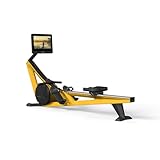
The best Hydrow rowing machine for home workouts depends on how much floor space you can dedicate: choose the Hydrow Wave for a lighter, more compact machine, the standard Hydrow for a larger screen and heavier frame, or the Hydrow Arc where available if you want a screen-free rower that works with your own device. Before buying, measure the full rowing clearance—not just the machine’s footprint—and account for the ongoing membership if you want Hydrow’s coached classes.
As an Amazon Associate we earn from qualifying purchases at no extra cost to you.


What we cover
Hydrow models at a glance
Hydrow’s lineup has changed over time, and model availability can vary. The figures below are commonly published manufacturer specifications; check the current listing for your region before purchase, particularly for the Arc, which is a screen-free option rather than a standard connected Hydrow.
| Model | Machine size, L × W | Machine weight | User capacity | Display and resistance | Storage consideration |
|---|---|---|---|---|---|
| Hydrow | About 86 × 25 in. | About 145 lb. | Up to 375 lb. | 22-in. touchscreen; electromagnetic drag system | Can be stored upright with the compatible storage kit; confirm ceiling height and safe clearance |
| Hydrow Wave | About 80 × 19 in. | About 102 lb. | Up to 375 lb. | 16-in. touchscreen; electromagnetic drag system | More manageable to move than the standard Hydrow; upright storage requires the appropriate kit |
| Hydrow Arc | About 86 × 25 in. | About 145 lb. | Up to 375 lb. | No built-in display; electromagnetic drag system | Plan for the same long rowing footprint as the standard frame; device placement is up to you |
Dimensions are approximate and describe the machine, not the space needed to use it. Hydrow’s electromagnetic resistance is designed to mimic the changing feel of rowing on water; it is not the same as choosing a numbered air or water-resistance setting. For a fair comparison, think of resistance as the same basic Hydrow training experience across models, with screen, frame size, and setup being the main differences.
Choose by room, screen, and training habits
- Choose the Hydrow Wave for a tighter budget or smaller room. It is shorter and narrower than the standard Hydrow and weighs roughly 40 pounds less. That makes delivery and repositioning less daunting, though it is still a long machine in use. Its smaller screen is a sensible trade-off if you do not need the largest display.
- Choose the standard Hydrow for a dedicated workout area. The larger touchscreen is easier to see from the seat, and the heavier frame may appeal if the rower will stay in one place. It costs more in space and effort to move, so measure doorways, turns, and the route from delivery entry to workout room.
- Consider the Hydrow Arc if you already have a tablet or television setup. A screen-free frame can make sense for someone who wants to avoid paying for a built-in display. Check that the current Arc configuration supports the classes and device arrangement you expect before purchase.
- For frequent coached workouts, compare membership cost as carefully as machine price. Hydrow’s connected experience centers on instructor-led classes and other on-demand content. Membership terms and available features can change; check whether the current plan is required for the classes, profiles, and tracking you intend to use.
How much space does a Hydrow need?
A rower that measures around 80 to 86 inches long needs more than seven feet of uninterrupted floor length, and the user’s movement adds to that. As a practical planning estimate, reserve roughly 9 feet of length and 4 feet of width for a comfortable workout zone. That extra room gives you space to get on and off, move the handle through the stroke, and avoid clipping a wall or nearby furniture. Keep the machine on a stable, level surface, and use a floor mat if you need to protect flooring or limit vibration.
Before ordering, mark the machine’s footprint with painter’s tape and sit where the seat would be. Then check the handle path, your elbows, and the space behind the footrests. Also measure the delivery route: a machine that fits in the workout room may still be difficult to maneuver through a narrow hallway or stair turn.
Can you store a Hydrow upright?
Some Hydrow setups allow upright storage with a compatible storage kit, but do not assume that the machine can safely lean against a wall on its own. Check model compatibility and current instructions, and make sure the storage spot has enough height and clearance. Upright storage saves floor area between workouts; it does not eliminate the need to clear the full rowing area when you use the machine. If you expect to move it often, account for its weight and whether you can handle the repositioning safely.
What the subscription changes
The machine provides the rowing hardware, but the membership is what makes Hydrow a guided, connected workout system. Depending on the current plan, the experience may include instructor-led sessions, workout tracking, and features for multiple household members. A screen-equipped model offers the most integrated setup; the Arc may suit people who prefer to bring their own screen.
Estimate the total cost over the period you expect to keep the machine: add the machine price to the membership cost for each month you plan to subscribe, then compare that with how often you will row. For example, at three workouts per week, one year is about 156 sessions. Divide the year’s membership expense by 156 to find the subscription cost per workout, then add the machine’s purchase cost separately. This makes it easier to judge whether coached content is worth paying for versus using the rower without an active membership. Confirm current plan pricing and what remains accessible if you cancel.
Ownership details worth planning for
Rowers have moving parts and regular contact points, so simple care matters more than elaborate maintenance. Wipe sweat from the rail, handle, and screen after workouts; sweat left on surfaces can damage finishes over time. Keep dust and debris away from the rail and seat path, and follow Hydrow’s current guidance for cleaning the display rather than using harsh sprays directly on it.
- Check the seat’s travel. If it becomes noisy or feels rough, inspect for dirt or obstruction and consult the care instructions before applying any lubricant.
- Look over the handle and foot straps. These are frequently handled and tightened parts; replace or service them if they show damage or no longer secure your feet.
- Keep the power and screen connections tidy. Avoid placing the cable where the seat or a person can catch it, and leave ventilation around the screen.
- Do not force a storage position. Use only the approved storage method for your model; an unstable upright machine can tip or damage the frame.
Bottom line
For most space-conscious buyers who still want Hydrow’s built-in classes, the Wave is the practical starting point: it is smaller and lighter while retaining a touchscreen and the brand’s electromagnetic rowing system. Pick the standard Hydrow if the larger screen and heavier frame justify the extra space, and consider the Arc only if a screen-free setup fits your needs and its current compatibility checks out. In every case, measure a roughly 9-by-4-foot workout zone, confirm storage and delivery access, and include membership in the ownership budget before deciding.