We research everything we recommend. When you buy through our links, we may earn a commission. As an Amazon Associate we earn from qualifying purchases.
Best Borescope Cameras for Engines, Walls and Machinery
Compare the best borescope and inspection cameras for engines, walls and machinery, with dual lenses, articulating probes, LED lights and long cables.
A borescope camera pays for itself the first time it answers a question without a teardown. Is that cylinder wall scored? Where exactly is the leak inside this wall cavity? Did the bolt drop into the intake or onto the belly pan? The five inspection cameras below cover the main approaches: handheld units with built-in screens for instant answers, a dual-lens design for looking sideways without swapping probes, an articulating probe that steers around bends, a wireless model that uses your phone as the display, and a long-cable professional unit for deep machinery work.
As an Amazon Associate, we earn from qualifying purchases.
The Teslong NTS500 is the best all-round inspection camera here, pairing a large five-inch screen with dual lenses and a long gooseneck cable. The DEPSTECH DS300 covers the same jobs in a smaller package, the DS650 adds a steering articulating probe, the WF028 sends the picture to your phone, and the Klein ET16 offers the longest cable for machinery and facility work.
How to Choose
Cable length and stiffness shape everything. Short cables of around five feet suit engine bays, appliance repair and looking inside gearboxes, where the target is close and control matters. Sixteen-foot cables handle wall cavities, duct runs and plumbing chases. Really long cables, thirty feet and beyond, serve machinery, drains and facility inspections but get harder to push and steer. Semi-rigid cable holds its shape as you feed it, which is usually what you want; very soft cable flops and frustrates.
Lens configuration is the second decision. A single forward camera shows what is ahead but forces you to withdraw and re-aim to inspect a cylinder wall or the inside of a pipe. Dual-lens probes add a side-facing camera, so you can scan walls of a bore without rotating the cable, and they are worth the small premium for engine work. Articulating probes go further: a thumb control bends the tip in two directions, steering around valves, bends and obstructions. Articulation shortens cable length, so it suits engines and machinery rather than long wall runs.
Screen and recording options matter more than raw resolution numbers. A built-in screen of four to five inches makes a unit self-contained and glove-friendly on a job site, while phone-based models give a bigger display and easy sharing of photos and video at the cost of setup time. Look for adjustable LED brightness at the tip, since a dim light washes out close work and a bright one blows out reflective metal. Water resistance at the probe is essential for plumbing and engine coolant passages. Finally, check how images are stored: a microSD slot keeps evidence organized for warranty and diagnostic reports.
Probe diameter deserves a final check before ordering. Most cameras in this class use heads around eight to nine millimeters, which pass through spark plug tubes, drain openings and typical wall cavities without trouble. Slimmer probes exist for the tightest passages but usually sacrifice the side lens or light output, so choose one only when the access hole demands it. Also confirm what the kit includes: hook, mirror and magnet attachments for retrieving dropped hardware turn a camera into a rescue tool, and a hard case protects the cable from being crushed in a tool bag. If you plan to work around fuel or solvents, check the probe’s stated resistance before immersing it.
The DS300 is a compact, self-contained inspection camera built around a 4.3-inch color screen and a dual-lens probe. The forward camera handles navigation while the side camera inspects walls of cylinders, pipes and cavities without twisting the cable, which is the feature that separates modern borescopes from older single-lens units. Its semi-rigid cable runs about sixteen and a half feet, long enough for wall cavities and ductwork yet manageable in an engine bay. Adjustable LEDs at the tip and a rechargeable battery keep it ready for quick checks. For mechanics and remodelers who want one affordable unit that covers most inspection jobs, the DS300 is an easy tool-bag addition.
Teslong builds inspection cameras for professional users, and the NTS500 shows it. The five-inch IPS screen is the largest and clearest in this group, which matters when you are judging fine detail such as cylinder honing marks or hairline cracks. Dual lenses switch between forward and side views at a button press, and the sixteen-and-a-half-foot gooseneck cable holds its shape through wall cavities and around engine components. Bright, dimmable tip lights and microSD recording round out a package aimed at documented diagnostics. It costs more than casual-use scopes, but for technicians who inspect daily and need images they can show a customer, it is the strongest pick here.
Articulation is the DS650’s whole argument. A control on the handle bends the probe tip in two directions through a wide arc, so you can look back at a valve face, steer around a bend in a pipe, or inspect the far side of an obstruction instead of guessing. That steering ability solves the classic borescope problem of seeing something interesting just out of frame. The trade-off is reach: the cable is about five feet, aimed at engines, transmissions, HVAC equipment and machinery rather than long wall runs. Dual cameras and a built-in screen keep the rest of the package familiar. For diagnostic work where direction control matters more than distance, nothing else here does what this probe does.
The WF028 drops the built-in screen and sends its image to your phone or tablet over Wi-Fi instead. That brings real advantages: a display as large as the device you already own, one-tap photo and video sharing, and a lower cost for the camera hardware itself. Dual lenses provide forward and side views, and the semi-rigid cable stretches about sixteen feet for wall, duct and automotive work. The compromise is workflow: you need the app open and the connection paired before you see anything, and a phone is more fragile around engines than a dedicated unit. As a second scope, a home-inspection tool, or a budget way into dual-lens imaging, it makes strong sense.
Klein built the ET16 for electricians and facility technicians who need reach above all. Its armored gooseneck cable runs ten meters, roughly thirty-three feet, which covers conduit runs, long wall chases, ceiling plenums and machinery internals that shorter scopes simply cannot reach. The 4.3-inch LCD keeps the unit self-contained, the nine-millimeter camera head is water resistant for damp locations, and it captures photos and video for documentation. A rechargeable battery and rugged construction match Klein’s trade-focused positioning. The long cable is slower to manage in tight engine work, so this is a specialist: choose it when inspections regularly stretch beyond what a sixteen-foot scope can reach.
Specs
Display
4.3 inch LCD
Cable
32.8 ft armored gooseneck
Camera head
9 mm, water resistant
Capture
Photo and video
Battery
Rechargeable
Who Should Skip It
If your only inspection need is the occasional look inside a drain or dryer vent, a basic single-lens scope at the lowest price tier will answer it, and the dual-lens and articulating models here are more than the job requires. Professionals who need manufacturer-certified measurements, interchangeable probe systems or intrinsically safe ratings for hazardous locations should look at industrial videoscopes instead, which sit in a different class entirely. Phone-based buyers who dislike app setup should also skip the WF028 and choose a built-in screen model. Finally, none of these are drain cameras for long sewer runs; that work needs much longer, stiffer push cables.
FAQ
What cable length do I need for engine work?
Five to sixteen feet covers nearly all automotive inspection, from cylinder bores to intake runners and transmission cases. Longer cables add management headaches in tight bays. Choose length for wall and duct work instead: sixteen feet handles most residential cavities, and thirty-foot class cables suit facility and machinery runs.
Is a dual-lens borescope worth it?
For inspecting the walls of anything, yes. A side-facing lens shows cylinder walls, pipe interiors and the back side of wall cavities directly, instead of at a glancing angle from a forward camera. For simple look-ahead tasks such as finding a dropped bolt, a single lens is adequate.
Can a borescope go through spark plug holes?
Most probes in this class have camera heads around eight to nine millimeters, which fit through standard spark plug tubes on many engines. Check your engine’s plug tube diameter against the camera head size before ordering, and prefer a dual-lens model so you can inspect the cylinder walls and piston crown once inside.
How do I keep the lens clean inside an engine?
Wipe the tip before insertion, avoid dragging it through oil pools where possible, and use the included protective cap between jobs. A fogged or oily lens is the most common cause of a disappointing image, ahead of resolution limits.
Final Verdict
Pick the Teslong NTS500 for the best screen and all-round inspection performance, the DS300 for the same dual-lens idea in a smaller, simpler package, and the DS650 when steering the tip matters more than cable reach. The WF028 is the flexible budget route through your phone, while the Klein ET16 owns the long-distance jobs. Match cable length to your longest realistic inspection, insist on a side lens for bore work, and any of these will answer questions that used to require a teardown.
M
Miller the Driller Editorial Team
We compare specs, warranty terms, long-term owner feedback and street pricing before anything earns a spot. Rankings are never paid.
Affiliate disclosure. As an Amazon Associate we earn from qualifying purchases at no extra cost to you. Prices accurate as of the date shown.
Three wireless routers for small offices compared on device capacity, network separation, wired speed, and coverage, with specs taken from their Amazon listings.
Compare 5 mechanic tool sets for car repairs: a 247-piece DEWALT kit, a 450-piece CRAFTSMAN set, a drawer-box GEARWRENCH set, a 170-piece Crescent set and a 450-piece WORKPRO set.
Four splitting axes and mauls that actually split firewood: a long 36-inch axe for tall users, a shorter 28-inch option, and two 8 lb mauls for knotty rounds.
Learn whether a 20V rechargeable drill battery can be repaired, which faults you can check safely at home, and when replacing the pack is the safer choice.
A specs-based review of the officially licensed Retro-Bit Sega Saturn 2.4 GHz wireless controller: dual receivers, Genesis Mini and Switch support, battery, layout, limits, and FAQs.
Find the best drill battery for Power Wheels ride-on toys for families, with DeWalt, Milwaukee and Ryobi adapters, voltage and safety guidance in this guide.
Find the best hole saw for noching dom pipe: bi-metal saws, deep cups, and the right sizes for clean, tight notches in DOM tube for fabrication shops today.
Find the best diy tile saws for home tiling projects. Compare wet tile saws by blade size, cutting capacity, and features for ceramic and porcelain tile.

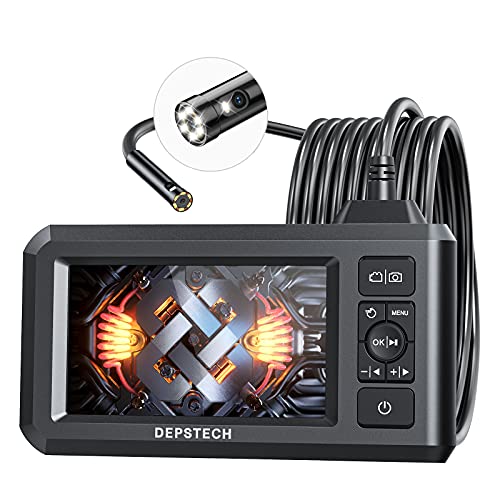 DEPSTECH DS300 Dual Lens Borescope
 Teslong NTS500 Dual Lens Inspection Camera
 DEPSTECH DS650 Two-Way Articulating Borescope
 DEPSTECH WF028 Wireless Dual Lens Endoscope
 Klein Tools ET16 Borescope









