We research everything we recommend. When you buy through our links, we may earn a commission. As an Amazon Associate we earn from qualifying purchases.
Best Clamp Meters for Electricians and Serious DIYers
Compare the best clamp meters for electricians and DIYers, covering true RMS accuracy, AC and DC current, jaw size and CAT safety ratings explained.
A clamp meter is the safest way to measure current in a working panel, because the jaws read a conductor’s load without breaking the circuit or exposing live terminals. Electricians use them to balance loads, trace mystery draws and verify motor current; serious DIYers use them for HVAC troubleshooting, automotive charging systems and solar work. The five meters below span the sensible range: two Fluke models for professional trust, two Klein meters that add DC current and modern features, and a compact Fieldpiece built for HVAC service work.
As an Amazon Associate, we earn from qualifying purchases.
The Fluke 325 is the safest single recommendation, with true RMS accuracy, AC and DC current, and Fluke’s safety pedigree. The Fluke 323 covers basic AC work for less, the Klein CL800 adds a higher CAT rating and LoZ mode, the CL390 is the compact budget route into DC current, and the Fieldpiece SC260 suits HVAC technicians who measure temperature and capacitance daily.
How to Choose
True RMS is the first specification to understand. Average-sensing meters assume a clean sine wave and read inaccurately on the distorted waveforms produced by variable-speed drives, LED lighting, computers and modern HVAC equipment. A true RMS meter computes the real heating value of the waveform, so its readings stay trustworthy on today’s loads. If you work around drives or electronics, treat true RMS as mandatory rather than optional.
Current type and range come next. Many clamp meters measure AC current only, which is fine for building wiring. DC current measurement, which uses a Hall-effect sensor in the jaw, is essential for automotive, solar, battery and RV work, so confirm it explicitly if those jobs are on your list. Range matters less than it once did: 400 amps covers residential and light commercial service, while 600-amp meters add headroom for larger feeders.
Safety ratings deserve real attention. CAT III 600 V is the baseline for distribution wiring and panel work; CAT IV ratings protect at the service entrance and utility side, where fault energy is highest. Buy the rating your work location demands, and treat unknown-brand meters with unstated ratings as unsuitable for panel work.
Jaw size and ergonomics decide daily comfort. A slim jaw slips between crowded conductors in a loaded panel; a large jaw handles thick feeders but feels clumsy. Inrush measurement, found on some larger meters, captures the brief starting surge of motors and compressors, which helps diagnose hard-starting equipment. Extras such as capacitance, temperature, frequency and non-contact voltage detection can retire a second meter from your bag if you use them often.
Finally, think about where the meter will live and how it will be treated. A meter that rides in a truck door pocket needs a holster or case and a display that survives knocks; Fluke and Klein both build with drop resistance in mind, which is part of what their prices buy. Check the lead set as carefully as the meter itself: silicone test leads stay flexible in cold weather and properly rated leads preserve the meter’s safety category, while the thin leads bundled with bargain meters undermine both. Battery life and an auto-off function sound minor until a meter dies mid-diagnosis, so confirm both, and keep spare batteries with the meter rather than in a drawer across the shop.
The Fluke 323 is the entry point into Fluke’s clamp lineup and a common first professional meter. It measures AC current to 400 amps and voltage to 600 volts AC and DC, with resistance and continuity for general troubleshooting. The slim, ergonomic jaw fits into crowded residential panels, and the CAT III 600 V and CAT IV 300 V ratings make it legitimate panel equipment rather than a hobby toy. It is an average-sensing meter, so readings on variable-speed drives and other distorted loads will drift from reality. For straightforward AC service work, breaker tracing and load checks on conventional equipment, it delivers Fluke build quality and safety at the lowest cost in this group.
The 325 is the meter most electricians picture when they think of a working clamp. True RMS measurement keeps it accurate on drives and electronic loads, and it measures both AC and DC current to 400 amps, which opens up automotive, solar and control work that AC-only meters cannot touch. Capacitance, frequency and temperature functions cover HVAC and motor troubleshooting, while Min and Max recording catches intermittent peaks. A backlight and a large display help in dim mechanical rooms. The safety ratings match the 323, and the whole unit feels dense and drop-resistant in the hand. If you buy one clamp meter for professional use, this is the natural default.
Klein’s CL800 is the feature-heavy alternative, built for electricians who want one meter to do nearly everything. It measures AC and DC current to 600 amps with true RMS accuracy, and its CAT IV 600 V and CAT III 1000 V ratings are the strongest in this group, suiting it to service-entrance work. The LoZ low-impedance mode dismisses ghost voltages that confuse high-impedance meters on de-energized circuits, a genuinely useful troubleshooting feature. It also handles temperature through a thermocouple, plus capacitance and frequency. The larger jaw and body feel less nimble than the Flukes in packed panels, but for capability per tool bag slot, the CL800 is hard to argue with.
The CL390 brings DC current measurement down to an accessible level, which makes it popular for automotive, marine, solar and hobby electronics work where the Fluke premium is hard to justify. It measures AC and DC current to 400 amps, includes a non-contact voltage tester for quick presence checks, and has a reverse-contrast backlit display that stays readable in bright sun and dark panels alike. Auto-ranging keeps operation simple for less experienced users, and the CAT III 600 V rating covers household and light commercial wiring. It lacks some professional refinements of the meters above, but as a first clamp meter or a vehicle-dedicated unit, it covers an impressive amount of ground.
Fieldpiece designs for HVAC technicians, and the SC260 is shaped by that trade. It is a compact true RMS meter that measures AC current to 400 amps, with capacitance for start and run capacitors and temperature for superheat and subcooling work built in rather than added on. Non-contact voltage detection sits at the jaw tip, and a magnetic strap lets the meter hang from a unit while both hands work the probes. The smaller jaw suits the crowded control boxes of residential HVAC equipment. It measures AC current only, so DC-heavy trades should look elsewhere, but for heating and cooling service the SC260 packs the trade’s daily functions into the smallest body here.
Specs
Measurement
True RMS
AC current
400 A
Extras
Temperature and capacitance
Detection
Non-contact voltage at jaw
Design
Compact, magnetic hang strap
Who Should Skip It
Beginners who only need to check whether an outlet is live should start with a receptacle tester and a basic multimeter, not a clamp meter. Anyone measuring current mainly on small electronics will find these jaws imprecise at very low currents; a bench multimeter serves better. Motor specialists who depend on inrush capture for compressor diagnosis should step up to larger meters that headline that feature, since this group prioritizes size and value. And if your work is exclusively at the utility service entrance, confirm the CAT IV rating requirement with your employer’s safety policy before choosing any meter.
FAQ
What does true RMS actually change in practice?
On a clean sine wave, nothing: average-sensing and true RMS meters agree. On circuits feeding variable-speed drives, dimmers, LED lighting or switch-mode power supplies, the waveform is distorted and an average-sensing meter can read noticeably low or high. True RMS meters compute the actual value, so they stay accurate on modern loads.
Can a clamp meter measure DC current?
Only models with a Hall-effect sensor in the jaw, such as the Fluke 325 and both Klein meters here, can measure DC. AC-only clamps use a transformer principle that DC cannot trigger. DC capability matters for automotive charging systems, solar arrays, battery banks and RV electrical work.
What CAT rating do I need for panel work?
CAT III 600 V is the accepted baseline for distribution panels and fixed installation wiring inside a building. Work at the service entrance, meter base or utility connection calls for CAT IV. Never use a meter in a location category above its rating, regardless of the voltage involved.
Why does my clamp meter show a small reading with the jaw empty?
Residual readings near zero are normal, especially on DC ranges where the sensor responds to the earth’s magnetic field and nearby steel. Zero or relative mode, where fitted, cancels the offset. Clamp around a single conductor only: clamping both conductors of a circuit cancels the field and reads near zero by design.
Final Verdict
The Fluke 325 is the buy-once answer for most electricians, with the 323 serving budget-minded AC-only work and the Klein CL800 offering the strongest safety ratings and feature list for those who prefer Klein. The CL390 opens DC measurement to automotive and solar users at a friendly level, and the Fieldpiece SC260 is the HVAC specialist. Decide first whether you need DC current and true RMS, then buy the highest safety category your work touches; those three choices narrow this field to the right meter quickly.
M
Miller the Driller Editorial Team
We compare specs, warranty terms, long-term owner feedback and street pricing before anything earns a spot. Rankings are never paid.
Affiliate disclosure. As an Amazon Associate we earn from qualifying purchases at no extra cost to you. Prices accurate as of the date shown.
Three wireless routers for small offices compared on device capacity, network separation, wired speed, and coverage, with specs taken from their Amazon listings.
Compare 5 mechanic tool sets for car repairs: a 247-piece DEWALT kit, a 450-piece CRAFTSMAN set, a drawer-box GEARWRENCH set, a 170-piece Crescent set and a 450-piece WORKPRO set.
Four splitting axes and mauls that actually split firewood: a long 36-inch axe for tall users, a shorter 28-inch option, and two 8 lb mauls for knotty rounds.
Learn whether a 20V rechargeable drill battery can be repaired, which faults you can check safely at home, and when replacing the pack is the safer choice.
A specs-based review of the officially licensed Retro-Bit Sega Saturn 2.4 GHz wireless controller: dual receivers, Genesis Mini and Switch support, battery, layout, limits, and FAQs.
Find the best drill battery for Power Wheels ride-on toys for families, with DeWalt, Milwaukee and Ryobi adapters, voltage and safety guidance in this guide.
Find the best hole saw for noching dom pipe: bi-metal saws, deep cups, and the right sizes for clean, tight notches in DOM tube for fabrication shops today.
Find the best diy tile saws for home tiling projects. Compare wet tile saws by blade size, cutting capacity, and features for ceramic and porcelain tile.

 Fluke 323 Clamp Meter
 Fluke 325 True RMS Clamp Meter
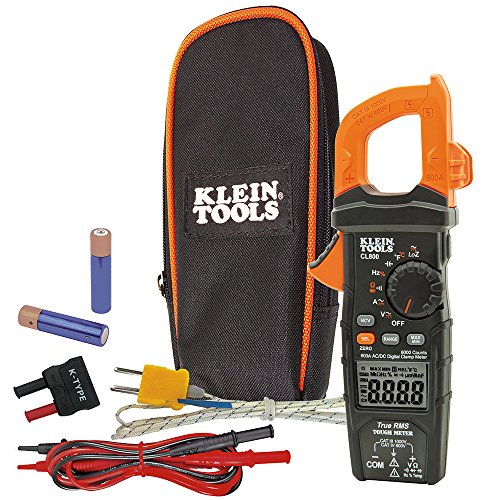 Klein Tools CL800 Digital Clamp Meter
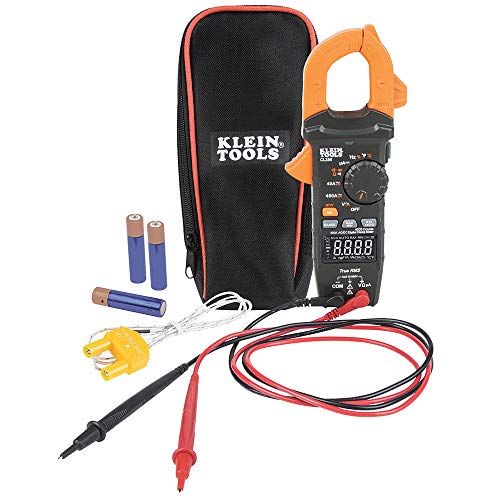 Klein Tools CL390 AC/DC Clamp Meter
 Fieldpiece SC260 Compact Clamp Meter









