What's inside
As an Amazon Associate I earn from qualifying purchases. This post may contain affiliate links at no extra cost to you.
What we cover
The short answer
For frequent fastening, a brushless impact driver is usually worth the extra cost if you use the tool for long sessions, drive large or numerous fasteners, or want to get more work from each battery charge. It tends to run cooler and use battery power more efficiently than a comparable brushed driver.
A brushed model is still a sensible buy for occasional repairs, small projects, and light-to-medium screws. If you drive a few dozen screws at a time rather than hundreds, the lower purchase price may matter more than the runtime difference. Neither motor type makes an impact driver suitable for every fastener: technique, bit fit, and the material still matter.
As an Amazon Associate we earn from qualifying purchases at no extra cost to you.



What the motor changes
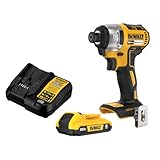
A brushed motor transfers power through carbon brushes that contact a rotating commutator. Those brushes wear over time and create friction and heat. A brushless motor uses electronic controls instead of those contact brushes. That removes one wear point and lets the tool adjust power delivery to the load.
In practical use, brushless drivers often deliver longer runtime per battery charge and are less likely to feel hot during repeated fastening. They may also have a longer motor service life. But brushless does not guarantee more torque, better control, or greater durability across the whole tool. The battery, impact mechanism, trigger, and build quality still count. Compare actual tools by their performance, weight, controls, warranty, and price—not just the motor label.
Brushless vs brushed at a glance
| Factor | Brushless | Brushed |
|---|---|---|
| Runtime | Often longer on the same battery, especially under sustained load | Usually shorter under heavy or repeated fastening |
| Heat and wear | No motor brushes to wear; often runs cooler under comparable work | Brushes wear and the motor can build more heat during extended use |
| Purchase price | Usually costs more | Often the cheaper way into a battery platform |
| Light, occasional work | Works well, but may not repay the extra cost | Usually adequate for household repairs and modest projects |
| Heavy, frequent work | Typically the better fit for repeated driving or long workdays | Can do the job, but expect more battery changes and heat |
Choose by workload, not by the badge
If you assemble furniture, hang a few shelves, or drive short screws into softwood now and then, a brushed driver can be good value. A healthy battery and sharp, correctly sized bit will often make more difference than a brushless motor for this kind of work. Look for a variable-speed trigger, a comfortable grip, and a battery platform you can use with other tools.
For deck building, framing tasks, cabinet installation across multiple rooms, or regular shop work, brushless is easier to justify. Repeatedly driving long screws draws more power than occasional short fasteners, so improved efficiency can mean fewer interruptions to swap or charge batteries. If you are buying your first cordless tool, compare the price of a kit and at least one spare battery; the motor upgrade is less useful if the battery supply is too small for the job.
For a broad selection, compare a brushless impact driver kit with a brushed impact driver kit in the battery platform you already own. Kit prices and included batteries can change the value calculation more than the motor type alone.
Avoid common fastening failures
An impact driver can twist fasteners quickly, but speed is not a substitute for control. A worn or poorly fitting bit can cam out of a screw head, damaging the fastener and work surface. Use the correct driver tip, keep it aligned with the screw, and replace bits with rounded or chipped edges. For frequent fastening, having spare bits on hand is cheap insurance against damaged heads and wasted time.
Long screws can split wood, especially near an edge. Drill a pilot hole when the fastener or material calls for one; for hardwood, dense stock, or a screw close to an edge, start with a hole sized to the screw’s core rather than forcing the screw in at full speed. In thin sheet material or soft plastics, too much impact can strip the hole or break the workpiece. Start gently and stop once the head is seated. An impact driver’s high torque can also snap small screws, so use a lower setting or lighter trigger pressure when available.
For large lag screws, structural fasteners, or repeated heavy work, check the fastener maker’s instructions and the tool’s stated limits. Torque figures are not a reliable stand-alone comparison across brands or test methods. A more powerful driver is not automatically safer: a stuck bit or sudden tool reaction can strain your wrist. Hold the tool securely, keep your free hand away from the fastener, and avoid using an impact driver on delicate finish work without testing first.
A practical buying checklist
Before choosing, consider how many fasteners you drive in a typical session, their size, and the material. Also check whether the tool has useful speed or mode settings. A slower mode can help when starting screws or working with small fasteners; an adjustable trigger gives finer control even when no special mode is available. Tool weight matters during overhead work, while a compact head helps in tight spaces.
If you already own batteries, staying on that platform may be the best-value choice, whether the available driver is brushed or brushless. If you are starting from scratch, compare kit cost, battery capacity, charger speed, and the range of compatible drills and saws. A two-speed cordless impact driver kit can be a useful option when you need both controlled starts and faster driving, but do not pay extra for modes you will rarely use.
When to spend more
Choose brushless if fastening is regular, the work sessions are long, or swapping batteries is a real interruption. Choose brushed if the tool will see occasional light-duty use and the savings are meaningful. For either type, the right bit, sensible pilot holes, a suitable battery, and controlled trigger use will prevent more failed fasteners than a motor upgrade alone.