What's inside
As an Amazon Associate I earn from qualifying purchases. This post may contain affiliate links at no extra cost to you.
Building a cedar fence is mostly a fastening job, but the right cordless tool makes a noticeable difference. You will drill pilot holes, drive dozens or hundreds of screws, and possibly bore larger holes for gate hardware. Cedar is soft enough to split, yet dense knots and long fasteners can still stall a weak drill.
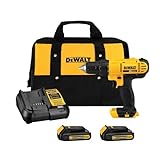
For most homeowners, the best setup is a 18V or 20V cordless drill/driver paired with an impact driver. The drill handles pilot holes and larger bits; the impact driver drives structural screws quickly without twisting your wrist. If you are buying only one tool, choose a drill/driver with a clutch and at least a 1/2-inch chuck. If you are building a long fence or installing many screws, buy a cordless drill and impact driver combo kit.
As an Amazon Associate we earn from qualifying purchases at no extra cost to you.


What we cover
What the Job Requires
A typical cedar privacy fence uses 2 1/2- to 3-inch exterior screws for pickets and longer structural screws or carriage bolts for rails and posts. You will commonly drill 1/8-inch to 3/16-inch pilot holes in cedar, with larger clearance holes where a bolt passes through a rail or post.
Tool demands depend on the fence design. Attaching thin pickets to rails is light work. Driving long screws through doubled rails, mounting hinges, and drilling through pressure-treated posts requires more torque. A compact 12V drill can handle pickets, but it may struggle with long screws and large bits. An 18V or 20V brushless drill is the safer all-around choice.
| Tool type | Best use on a cedar fence | Main advantage | Limitation |
|---|---|---|---|
| 12V drill/driver | Pilot holes and light picket fastening | Small and easy to control | Less torque and shorter runtime |
| 18V/20V drill/driver | General fence construction and gate hardware | Versatile, with clutch and chuck | Heavier than compact tools |
| Impact driver | Driving exterior and structural screws | High fastening power with little wrist strain | Easy to overdrive or strip screws |
| Hammer drill | Occasional masonry or concrete drilling | Can drill brick and block with masonry bits | Hammer mode adds little value in wood |
Best Drill Type for Cedar Fence Work
Choose a variable-speed drill/driver with a mechanical clutch, two speed ranges, an LED, and a 1/2-inch chuck. The clutch is important when fastening cedar pickets: set it low enough that the screw head stops nearly flush instead of burying itself. A drill without a clutch can still work, but you will need a lighter trigger finger and more frequent depth checks.
Brushless motors generally provide better efficiency and durability, especially when driving several hundred screws. They are not mandatory for a single short fence. A brushed drill with a decent battery is perfectly adequate if the price is substantially lower and replacement batteries are easy to find.
For a larger project, look for two batteries rated around 3.0Ah to 5.0Ah. A 2.0Ah battery is lighter and fine for a few panels, but it may require a mid-project charge. Avoid choosing solely by advertised voltage; battery platform availability, charger speed, grip comfort, and the cost of additional batteries matter more.
Why an Impact Driver Helps
An impact driver is the fastest way to attach cedar boards with exterior screws. Its hex quick-change chuck accepts 1/4-inch driver bits, and the pulsing action transfers high torque with less kickback than a conventional drill. That is useful when driving 3-inch screws into rails.
Its weakness is control. Impact drivers can strip Phillips recesses, snap small bits, and drive screws too deeply into soft cedar. Use a quality square-drive or star-drive exterior screw, keep the bit aligned, and slow down as the head nears the surface. For delicate trim or short screws, the drill’s clutch is better.
A basic brushless cordless impact driver is a sensible second tool. You do not need the highest torque rating. Excess torque mostly increases the chance of damaged screws and crushed cedar. Compact models are often easier to use between pickets and produce enough power for normal fence screws.
Bits and Fasteners That Prevent Problems
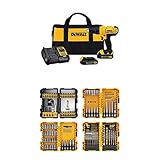
Use a sharp bit matched to the screw recess. Keep at least two driver bits on hand; a worn bit is a common cause of stripped heads. Magnetic bit holders are convenient, but they can wobble with long screws. A one-piece impact-rated bit is usually more durable for an impact driver.
Pre-drill near board ends and edges. Cedar can split when a screw is driven close to an end, particularly after the wood dries. A 1/8-inch pilot hole is a useful starting point for many exterior screws, while a 3/16-inch hole may be better for longer screws or dense knots. Test on scrap rather than relying on one size for every fastener.
Use corrosion-resistant exterior screws, such as coated or stainless fasteners suitable for cedar. Ordinary bright steel screws can rust and leave stains. Cedar’s natural extractives can also react with some metals, so follow the screw manufacturer’s material recommendations. For a cedar-compatible exterior fence screw, star-drive heads are generally easier to keep engaged than Phillips heads.
Do You Need a Hammer Drill?
Usually, no. Hammer mode is for masonry, not cedar, and it does not make a wood drill faster. If your fence posts are set in soil and you are fastening wood to wood, a standard drill/driver is the correct tool.
A hammer drill becomes worthwhile if the project includes drilling into brick, block, or a concrete foundation for a gate stop or fence connection. In that case, buy a cordless hammer drill as a multipurpose purchase, but keep hammer mode off when drilling cedar.
Practical Buying Choices
For a small repair or a fence section under roughly 50 linear feet, a reasonably priced 18V or 20V drill/driver kit is enough. Add a spare battery only if the kit battery is small or charging time is inconvenient.
For a full privacy fence, choose a drill/impact-driver kit from a battery platform with readily available batteries and bits. Use the drill for pilot holes and hardware, then switch to the impact driver for repetitive screw driving. The two-tool setup costs more, but it reduces fatigue and speeds the repetitive part of the job.
If budget is tight, skip the hammer feature and premium Bluetooth controls before sacrificing battery capacity or chuck quality. A cheaper drill is fine when it has a usable clutch, a firm chuck, and enough battery for the work. Spend more on good exterior screws and replacement bits; those items prevent more fence problems than a top-tier motor.