What's inside
As an Amazon Associate I earn from qualifying purchases. This post may contain affiliate links at no extra cost to you.
Small holes in acrylic are easy to drill with a cordless drill, but acrylic is less forgiving than wood. A dull bit, too much pressure or a hole too close to an edge can leave a chipped exit, a melted rim or a crack that grows later. For most household jobs, you do not need a powerful drill. Smooth low-speed control, a sharp bit and proper support matter more.
As an Amazon Associate we earn from qualifying purchases at no extra cost to you.


What we cover
What to look for in a cordless drill
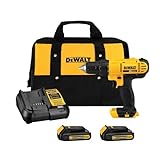
Choose a compact drill with a variable-speed trigger and a clutch. A 12-volt drill is usually enough for holes around 1/8 to 1/4 inch in acrylic sheet; an ordinary 18- or 20-volt drill works too, but use its lower speed range and a light trigger. A two-speed gearbox is useful because the low gear makes it easier to keep the bit from grabbing. If you are buying for occasional home use, a basic 12-volt cordless drill/driver is generally sufficient.
Do not buy a hammer drill specifically for acrylic. The hammer action is for masonry and can fracture plastic. If your drill has a hammer setting, make sure it is switched off. An impact driver is also the wrong tool: its pulsing torque makes delicate, controlled drilling harder. For acrylic, a standard drill/driver is the sensible choice.
Drill types compared
| Tool | How it suits acrylic | Best fit |
|---|---|---|
| 12-volt drill/driver | Light, easy to control; typically plenty of power for small holes | Occasional sheet work and general DIY |
| 18- or 20-volt drill/driver | More than enough power; can be heavier, so use low speed and a gentle trigger | One drill for acrylic and tougher jobs |
| Hammer drill | Works only with hammer mode off; added function is unnecessary here | People who also drill masonry |
| Impact driver | Poor control for small plastic holes; twisting pulses may crack the sheet | Fastening screws, not drilling acrylic |
The right bit matters more than extra power
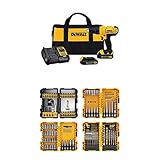
For a few small holes, a sharp, standard twist bit can work if you drill slowly and carefully. Plastic-cutting bits have a geometry intended to reduce grabbing, and are a worthwhile purchase if you expect to drill acrylic regularly. A small plastic-cutting drill bit set may make the job easier, but it is not essential for one or two holes.
Use a bit that matches the hole size; do not start with a large bit and force it through. For a hole larger than about 1/4 inch, drill a small pilot hole first, then enlarge it with a sharp bit. Step bits can make larger holes in thin sheet, but keep them slow and steady: an aggressive bite near the edge can pull the sheet or split it. Avoid dull bits and bits that have been used heavily on metal or masonry.
How to drill a small hole without cracking the sheet
Leave the protective film on both sides if it is still in place. Mark the location clearly, then clamp the sheet flat to a sacrificial piece of plywood or scrap wood. The backing supports the acrylic as the bit exits and helps prevent breakout. Use padded clamps or place scrap between the clamp and sheet; overtightening can stress or bow the plastic.
Keep the drill perpendicular to the surface. Start at low speed, let the bit cut, and use only light pressure. Do not push harder when the bit slows; ease off and let it clear the material. Withdraw the bit occasionally to remove swarf, especially if chips start sticking to the flutes. If the acrylic begins to soften, smear or smell hot, stop. Let the bit and sheet cool before continuing, and try a slower speed with less pressure.
Support is important near an edge. As a practical rule, keep a small hole at least two hole diameters from the edge when the design allows; more distance is safer for brittle or stressed sheet. A hole drilled too close to an edge may create a crack even if the drilling itself seems clean. Do not drill into a sheet that is already bent or under tension.
Speed, cleanup and common failures
There is no single ideal RPM for every bit and sheet thickness. For a small twist bit, begin around 500–1,000 RPM if your drill offers a speed setting, or use a restrained trigger in low gear. Thin acrylic and small bits often tolerate a moderate pace, but heat builds quickly when the bit rubs instead of cutting. The right pace produces chips; melted curls or a gummy rim are signs to stop and adjust.
Cracks usually come from excessive pressure, a dull or grabbing bit, poor backing, or a hole too close to an edge. A rough, chipped exit usually means the sheet was unsupported. A melted hole points to friction: reduce speed, clear chips and let the material cool. Once the hole is through, remove burrs with a hand deburring tool or fine sandpaper, using light strokes. Do not try to clean up the edge by forcing the drill sideways.
When a cheaper drill is fine
If you already own a basic cordless drill with a variable-speed trigger, use it. Buying a more powerful model will not make acrylic drilling safer, and a small number of holes does not justify a specialty drill. Spend first on a sharp, suitable bit and take time to clamp the sheet properly. If you are buying a drill for broader home use, a variable-speed cordless drill/driver with a clutch is a better all-around purchase than a hammer drill or impact driver for this kind of work.
For repeated acrylic work, a compact drill and dedicated plastic bits are a useful combination. For one small hole, a modest drill, a sharp bit, a wood backer and a light touch are enough.