What's inside
As an Amazon Associate I earn from qualifying purchases. This post may contain affiliate links at no extra cost to you.
What we cover
Why sharpen twist bits?
A sharp twist bit cuts with steady pressure and makes a clean, controlled hole. A dull one needs more force, squeals or rubs instead of cutting, and can wander across the work. Extra pressure raises heat and can snap a bit, damage the cutting edges, or strain a cordless drill. Sharpening makes sense for quality bits you use often; for an inexpensive bit that is badly chipped, bent, or worn down, replacement is usually the better call.
Most general-purpose metal bits are high-speed steel (HSS), often with a coating such as titanium nitride. Sharpening removes material, so it also removes coating from the cutting edge. That is normal: the geometry matters more there than the coating. Carbide masonry bits and specialty bits need different methods; the sharpeners below are aimed at conventional twist bits.
As an Amazon Associate we earn from qualifying purchases at no extra cost to you.

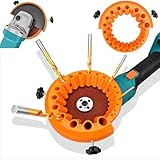


Choose a sharpener that matches your bits
Bench grinders are fast and versatile, but getting two matching cutting edges takes practice. A guided sharpener controls the angle and helps keep the point centered, which is useful if you sharpen bits regularly or are learning. Some machines also handle split-point bits, while simpler tools may be limited to standard points or a narrower range of diameters.
Before buying, check the supported bit diameter, point-angle options, and whether the instructions cover bits with split points. A common general-purpose point angle is 118 degrees; 135 degrees is common for harder materials and bits intended to resist walking. A sharpener that only produces one angle may still be a good buy if that matches most of your bits. For occasional touch-ups, a guided drill bit sharpener is easier to use consistently than a bare grinder.
Sharpener types compared
| Type | Best for | Trade-offs |
|---|---|---|
| Bench grinder | Experienced users and mixed sharpening jobs | Low cost if you own one, but hand control determines the result. Easy to overheat or grind uneven lips. |
| Guided powered sharpener | Repeatable touch-ups on common twist bits | Convenient and easier to learn, but limited by its supported sizes and point geometry. |
| Drill-powered sharpener | Occasional maintenance with minimal storage space | Often inexpensive, but depends on the drill, the guide, and careful, even pressure. |
If you already own a bench grinder and can hold a consistent angle, a sharpening jig or guide may be all you need. A dedicated powered unit costs more but reduces guesswork. A drill-bit sharpening jig for a bench grinder is a reasonable middle ground for a shop that sharpens bits occasionally.
What to look for before buying
Size range: Match the sharpener to the bits you actually use. If your common set runs from 1/8 inch to 1/2 inch, a tool that only accepts small bits will leave the larger ones untouched. Check the stated range rather than assuming every sharpener handles standard job-site sizes.
Point geometry: A centered point with equal cutting lips is more important than a long list of advertised features. Unequal lips make one edge do most of the work, creating an oversized hole and extra heat. If you drill sheet metal, a 135-degree split-point bit can reduce walking, but not every sharpener can restore its split-point shape.
Replacement parts and setup: Abrasive wheels wear. Check whether replacements are available and whether the manufacturer explains how to set or dress the wheel. A sharpener that is hard to align can produce inconsistent results even if its advertised angle is right.
How to sharpen without ruining a bit
Wear eye protection, secure the sharpener, and follow its instructions. On a grinder, use a fine wheel in good condition and keep the bit moving. Touch each cutting lip to the wheel briefly, then compare the edges. Long grinding passes build heat and can soften the steel. If the tip turns blue, you have overheated it; let the bit cool naturally and use lighter touches next time.
For a typical 118-degree bit, the two cutting lips should be similar in length and meet at the center. The small surfaces behind the lips need clearance so they do not rub against the metal. If the point is off-center, one lip is noticeably longer, or the drill still squeals after sharpening, stop and recheck the geometry rather than pressing harder. A simple drill-bit angle gauge can help check the point, though it will not fix uneven lips by itself.
Test the bit on scrap of the same material. It should start without excessive force and produce two similar chips. For steel, use a suitable cutting fluid and moderate speed; the right speed depends on bit diameter and material. Large bits generally need slower speeds than small ones. Secure the work, especially sheet metal, and use a center punch when the bit tends to skate.
When replacement is the smarter choice
Sharpening cannot fix a bent shank, a cracked bit, deep edge damage, or a badly worn point without removing substantial length. Very small bits are also awkward to sharpen by hand. For low-cost bits used only now and then, replacing a dull bit can save time and give more predictable holes. For larger HSS bits that see regular use, a guided sharpener may pay for itself by extending their working life.
Pick the simplest tool that covers your bit sizes and skill level. A careful grinder user may not need a dedicated machine; a homeowner who wants reliable touch-ups without developing a freehand technique is better served by a guide. Either way, sharp bits cut more cleanly, but good setup, suitable speed, and light pressure still matter.