What's inside
- How to Choose Premium Leather Riding Boots: 6 Decision Criteria
- Premium Leather Riding Boots Compared: Specs That Affect Fit
- Decision Matrix: Which Premium Boot Fits Your Situation
- Fit Calculation: How to Avoid Buying the Wrong Calf Size
- Durability and Ownership Realities
- Cost Per Wear: Are Premium Boots Worth It?
- Frequently Asked Questions
- How to Choose Premium Leather Riding Boots: 6 Decision Criteria
- Premium Leather Riding Boots Compared: Specs That Affect Fit
- Decision Matrix: Which Premium Boot Fits Your Situation
- Fit Calculation: How to Avoid Buying the Wrong Calf Size
- Durability and Ownership Realities
- Cost Per Wear: Are Premium Boots Worth It?
- Frequently Asked Questions
As an Amazon Associate I earn from qualifying purchases. This post may contain affiliate links at no extra cost to you.
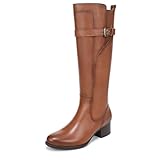
The best premium leather riding boots for women for most riders who also want everyday wear is the Ariat Heritage Contour II Field Zip for its elastic-back calf fit, full-grain leather with waterproof membrane, and dressage-appropriate profile, while the Frye Melissa Button 2 is better for fashion-forward street durability and the Parlanti Denver is better for pure English show-ring performance.
As an Amazon Associate we earn from qualifying purchases at no extra cost to you.


What we cover
- How to Choose Premium Leather Riding Boots: 6 Decision Criteria
- Premium Leather Riding Boots Compared: Specs That Affect Fit
- Decision Matrix: Which Premium Boot Fits Your Situation
- Fit Calculation: How to Avoid Buying the Wrong Calf Size
- Durability and Ownership Realities
- Cost Per Wear: Are Premium Boots Worth It?
- Frequently Asked Questions
How to Choose Premium Leather Riding Boots: 6 Decision Criteria
Premium riding boots live or die on fit and construction, not just leather look. Use these six filters before you compare brands:
1. Leather Quality and Tannage
At the premium tier ($300-$600+), you should expect full-grain calfskin or French calf, not corrected-grain or bonded leather. Look for vegetable-tanned or combination-tanned leather that is aniline-dyed all the way through. Signs of quality: tight, consistent grain with no plastic coating, a pull-up effect where the leather lightens when flexed, and edges that are dyed and burnished rather than painted. Split-grain or heavily coated leather will crease sharply and crack at the ankle flex point within a year of regular riding.
2. Shaft Height and Calf Measurements
This is the number one reason for returns. Premium brands offer calf width and height options rather than one-size shafts. Measure standing, with breeches or thin socks: shaft height from the floor to the crease behind the knee, and calf circumference at the widest point. You need 1/2 to 3/4 inch of extra space in the calf to accommodate breeches, and the shaft should drop about 1/2 inch after break-in as the ankle softens. Spanish-top or contoured elastic panels help if your calf is athletic or between sizes.
3. Sole Construction
Goodyear welted or Blake-stitched soles can be resoled and will last 5-10 years with care; cemented soles cannot. For riding, a leather sole with a rubber forefoot insert offers the best stirrup feel and grip balance. Fully rubber lug soles are better for barn work and wet conditions but are too bulky for a refined stirrup fit. Check the shank: a fiberglass or steel shank between the insole and outsole prevents foot fatigue over long rides.
4. Waterproofing Method
There are two approaches. A built-in waterproof membrane like Ariat’s Waterproof Pro or Mountain Horse’s Drylex keeps feet dry while remaining breathable, but requires membrane-safe conditioning. Waxed or oiled leathers without a membrane rely on topical waterproofing and need more frequent reapplication. Spray-on DWR alone is not sufficient for premium boots that will see mud, rain, and wash racks.
5. Break-In and Comfort System
Premium field and dress boots should not require a painful break-in. Look for a soft leather lining, padded collar, elastic gussets at the back or inside ankle flex zones, and a cushioned footbed with arch support. Traditional tall dress boots in stiff pigskin linings take 15-25 hours of riding to soften; modern comfort-system boots with YKK zippers and elastic need 3-8 hours. If you have a high instep, a front zip or elastic along the instep is critical.
6. Riding vs. Everyday Durability
A boot built for riding prioritizes a close-contact inner calf panel, minimal hardware that can scratch a saddle, and a narrow toe for stirrup placement. A boot built for everyday wear prioritizes walking comfort, traction, and abrasion resistance on the toe and heel. The best crossover boots reinforce the inner calf with an extra leather layer, use a rounded but not square toe, and place zippers on the outside or back rather than inside where stirrup leathers rub.
Premium Leather Riding Boots Compared: Specs That Affect Fit
These are established premium models available in women’s sizing in 2026. Calf and shaft measurements are for a representative size 8 and scale up or down approximately 0.25 inch per size.
| Model | Leather | Shaft Height | Calf Circumference Options | Sole Construction | Waterproofing | Approx. Weight per Boot (size 8) |
|---|---|---|---|---|---|---|
| Ariat Heritage Contour II Field Zip | Full-grain European calf, oiled finish | 18.5 in / 47 cm | 3 widths: Slim 13.5 in, Regular 14.75 in, Full 16 in | Blake-stitched, Duratread rubber outsole, fiberglass shank | Waterproof Pro membrane + BDR treatment | 1.95 lb / 885 g |
| Frye Melissa Button 2 | Full-grain Italian calf, burnished | 15.75 in / 40 cm | Single: 14.5 in | Goodyear welt, stacked leather heel, rubber forepart | Waxed leather, water-resistant not membrane | 2.30 lb / 1043 g |
| Parlanti Denver Classic Dress Boot | French calf, aniline dyed | 18.25 in / 46.4 cm | Custom: 6 calf + 5 height combos | Blake-stitched, leather sole with rubber toe/heel inserts | None – not intended for wet use | 1.75 lb / 794 g |
| DeNiro Salento Field Boot | Premium calfskin + elastic rear panel | 18.0 in / 45.7 cm | 11 calf/height combinations | Blake-stitched, vulcanized rubber sole | WR-treated leather, no membrane | 1.85 lb / 839 g |
| Mountain Horse Sovereign High Rider | Full-grain waxed leather + Cordura flex zone | 17.75 in / 45 cm | Regular 15 in, Wide 16.25 in | Cemented + stitched, SR Max rubber, steel shank | Drylex membrane, fully waterproof | 2.15 lb / 975 g |
Key takeaway from the numbers: English field and dress boots like Ariat, Parlanti, and DeNiro run taller and offer the most precise calf fitting, which prevents the baggy ankle and tight calf problem that causes zipper failure. Fashion-heritage boots like the Frye Melissa run shorter and heavier, which improves walking stability but reduces stirrup precision. If your calf measures between listed options, size for calf first and use an insole or heel lift to tune shaft height.
Decision Matrix: Which Premium Boot Fits Your Situation
| Your Situation | Best Match Type | Why |
|---|---|---|
| English lesson rider 2-4x/week, needs to show occasionally, budget $350-$500 | Ariat Heritage Contour II or DeNiro Salento | Field boot profile accepted for schooling and lower-level shows, elastic fit accommodates muscle changes, resoleable and membrane options for all-weather barns |
| Dressage or event rider prioritizing feel and custom fit, budget $550-$900 | Parlanti Denver or DeNiro Tricolore line | Thinnest close-contact calf, multiple height/calf combos, leather sole for ultimate stirrup feedback |
| Western, trail, and everyday town wear, want a 10-year boot | Frye Melissa Button 2 or Lucchese Madi Roper | Goodyear welt is fully rebuildable, burnished leather hides scuffs, lower shaft is more comfortable for walking and driving |
| Barn work in rain/mud, need true waterproofing and warmth | Mountain Horse Sovereign High Rider | Sealed membrane + insulated lining, aggressive traction, easiest to clean after muck |
| Wide or athletic calf, struggle with zipper closure | Ariat Contour II or DeNiro with elastic panel | Elastic gusset adds 0.75-1.25 inches of flex without sizing up the foot, prevents zipper stress |
Fit Calculation: How to Avoid Buying the Wrong Calf Size
Do not rely on your street shoe size alone. Use this quick sizing check before ordering:
- Measure calf at widest point while wearing breeches. Example: 15.25 inches.
- Subtract 0.5 inch for premium calfskin stretch over the first month. Adjusted calf need: 14.75 inches.
- Compare to the chart. For this example, the Ariat Regular 14.75 inch is ideal, while the Frye single 14.5 inch would be tight and the Ariat Full 16 inch would gape.
- Check shaft height: Measure from floor to back-of-knee crease. Example: 18.0 inches. You want a shaft 0.5 inch shorter than that measurement to allow for the drop. So choose 17.5-18.0 inches, not 18.5+ inches that will dig into the knee.
If you are between sizes in the foot, size up for winter socks or orthotics and add a thin leather insole rather than sizing down and compressing your toes against the toe box. Pressure on the pinky toe indicates the boot is too narrow, not just too short.
Durability and Ownership Realities
What wears first on premium riding boots is predictable:
- Zippers: The number one failure point. Always zip with the foot slightly flexed and the zipper fully up with a keeper. Clean grit from the teeth weekly with a soft brush. If the zipper separates behind the slider, it is usually due to a too-tight calf, not a defective zipper.
- Inner calf: Stirrup leathers polish and then thin the leather. Rotate between two pairs if you ride more than 3 times per week, and wipe the inner calf after every ride.
- Ankle creasing: All leather boots crease at the ankle. Conditioning every 3 months with a cream conditioner for aniline leather or a wax conditioner for oiled leather prevents cracking. Never use mink oil or silicone-heavy sprays on French calf; they darken and seal the pores.
- Sole and heel: Rubber half-soles wear smooth after 600-800 hours of walking. Have a cobbler add a new half-sole before you wear through to the stitching. Leather heels wear faster on concrete; add a rubber heel tap immediately if your boot comes with a leather heel.
Cleaning and Care Schedule That Extends Life
Premium leather does not need heavy oiling, it needs consistent light care. After each ride: brush off dust, wipe with a slightly damp cloth, air dry away from direct heat. Monthly: clean with leather cleaner, condition thinly, polish if needed. Twice a year: remove laces if applicable, clean zipper track, apply water repellent appropriate to the tannage, and store with tall boot trees to prevent shaft collapse. Never store in a damp tack trunk or in direct sunlight, both cause mildew and fading within months.
Common mistakes to avoid: using a hair dryer to dry wet boots, which shrinks the leather and warps the shank; sizing down to get a “fashion tight” fit, which blows out the zipper; and wearing fashion riding boots with lug soles into the stirrup, which can get stuck during a fall.
Cost Per Wear: Are Premium Boots Worth It?
A general market range for premium women’s leather riding boots is $350 to $850. A worked example helps justify the difference over corrected-grain or synthetic options:
Assume a $480 pair of full-grain resoleable boots worn 150 times per year for riding and town use over 6 years, with one $90 resole at year 3: Total cost $570 / 900 wears = $0.63 per wear. A $180 pair of cemented boots lasting 1.5 years under the same frequency before the sole separates: $180 / 225 wears = $0.80 per wear, plus earlier replacement and worse fit. The premium boot costs less per use if you will actually wear it consistently and maintain it.
Frequently Asked Questions
Should I buy a field boot or dress boot?
For most women who ride English, a field boot with laces at the ankle is more versatile. It accommodates different instep heights, flexes more easily, and is accepted for schooling, lessons, and most shows below FEI levels. A dress boot with no laces offers a cleaner line for dressage and hunters but requires a very precise fit and has a longer break-in.
Do I need a waterproof premium boot?
No, if you ride in a covered arena and keep a separate pair of muck boots for barn chores. A membrane adds warmth and slightly reduces breathability in summer. If you trail ride, hack out in winter, or only want one pair, choose a membrane model or waxed leather with sealed seams.
How tight should a new tall boot feel?
Snug but not painful. You should be able to zip it without help, stand with slight pressure in the calf, and feel your toes touch the end without curling. Premium calfskin will stretch up to 1/4 inch in width and drop 1/4 to 1/2 inch in height. If you need a zipper puller to close a new boot, it is too small.
For general foot health questions related to arch support, circulation with tight calf fit, or skin irritation from dyes, consult a qualified professional for personalized advice.