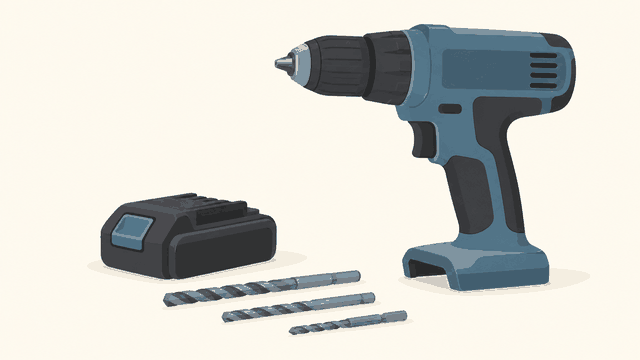
Best Cordless Drills for Mixing Thinset and Joint Compound
A cordless drill can mix small batches of joint compound or thinset, but it is not a stand-in for a dedicated mud mixer on every job. The useful choice depends on the material, batch size,…
A cordless drill can mix small batches of joint compound or thinset, but it is not a stand-in for a dedicated mud mixer on every job. The useful choice depends on the material, batch size,…
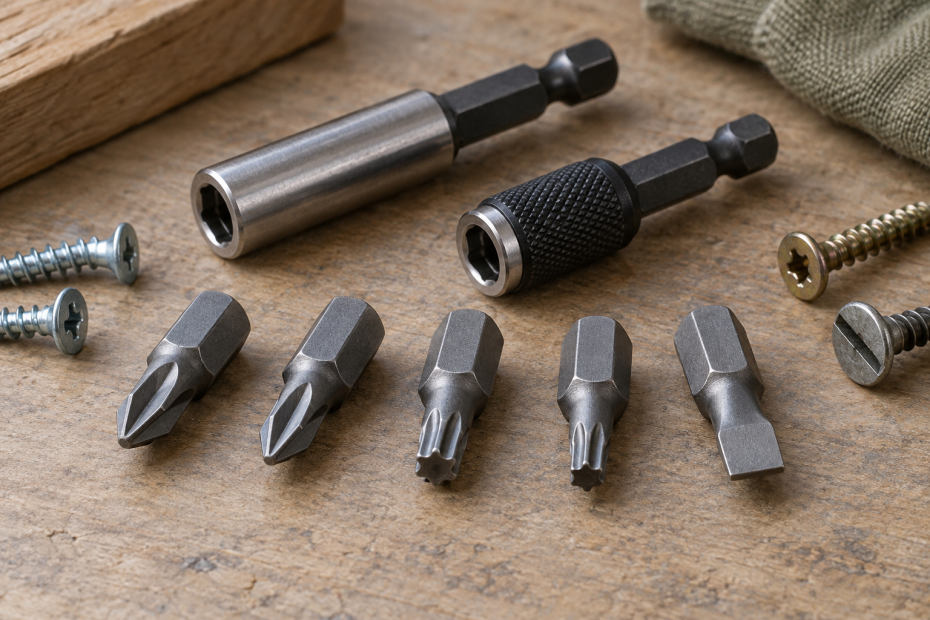
The right bit set is less about having the most pieces and more about having the right tips in the sizes you use. A worn or poorly fitting bit can cam out, chew up a…
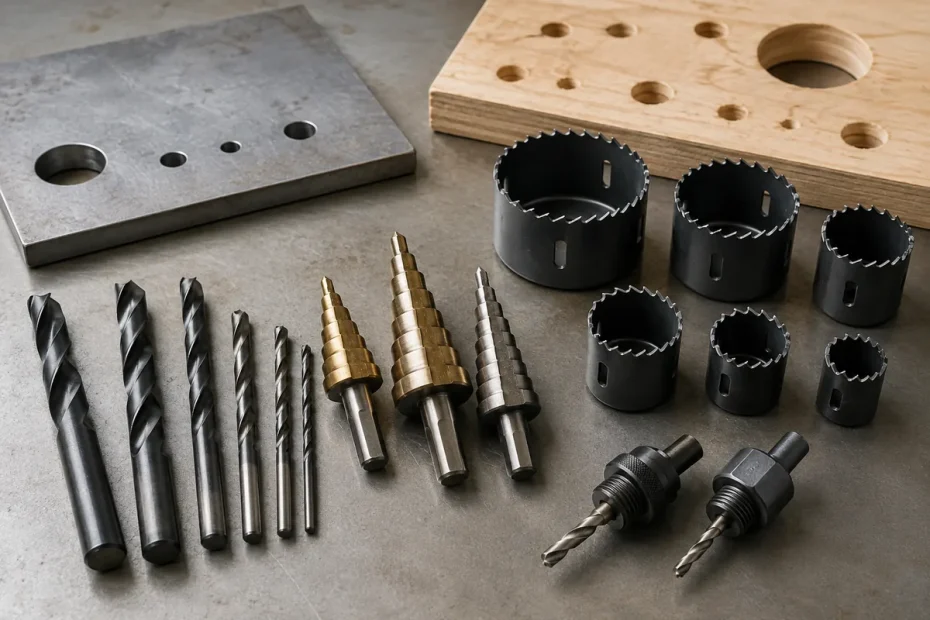
Copper and brass are softer than steel, but they are not always easy to drill. Copper can smear and clog a bit, while brass—especially thin sheet brass—can grab the cutting edges and spin the workpiece.…
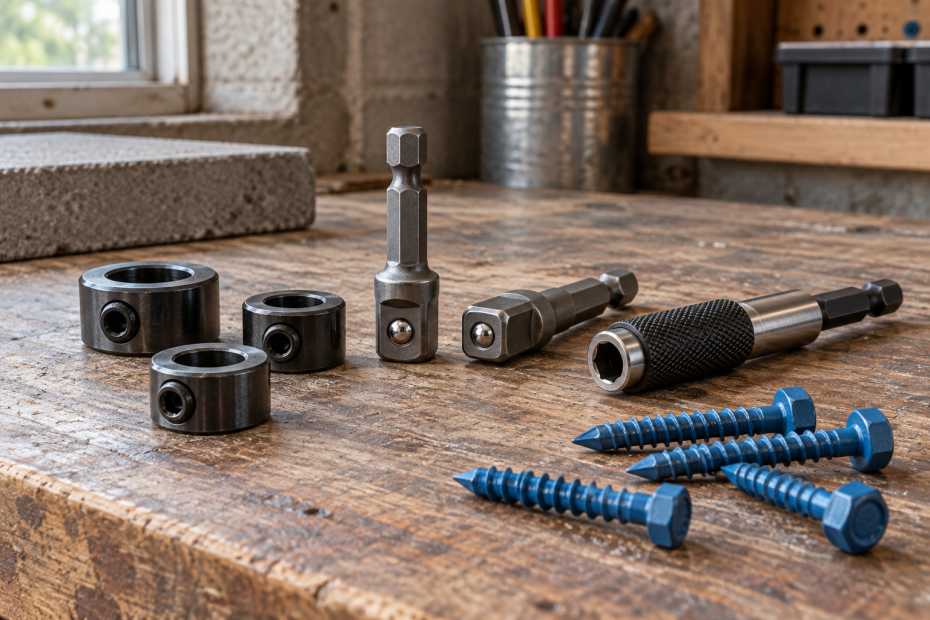
What you need from an extension A recessed fastener is awkward for two reasons: the driver bit may not reach it, and the surrounding material can block a straight approach. An extension solves reach; it…
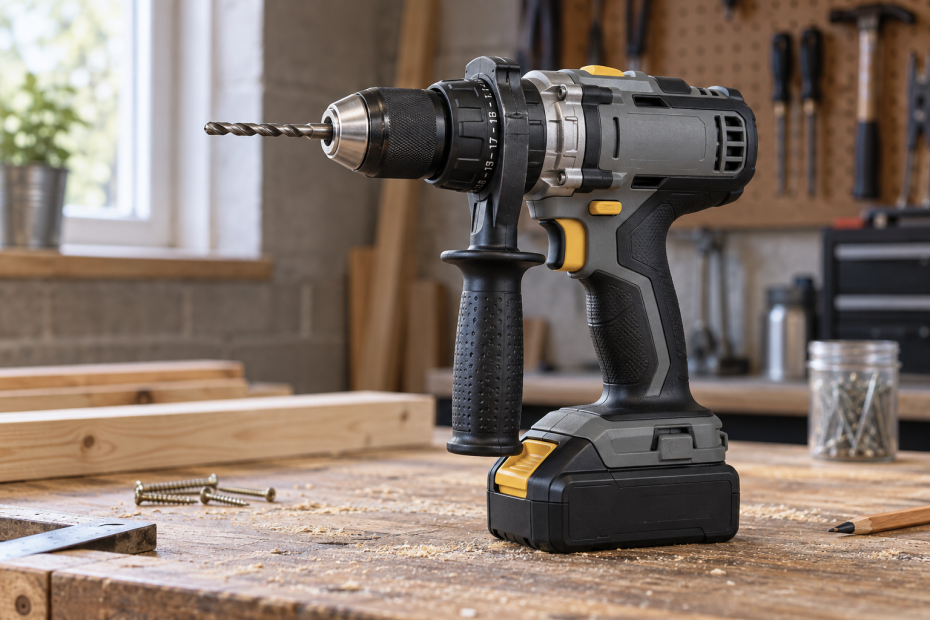
What the mechanical clutch does A mechanical clutch lets you set a limit on how much twisting force the drill applies before it slips. When a screw seats or binds, the clutch clicks instead of…
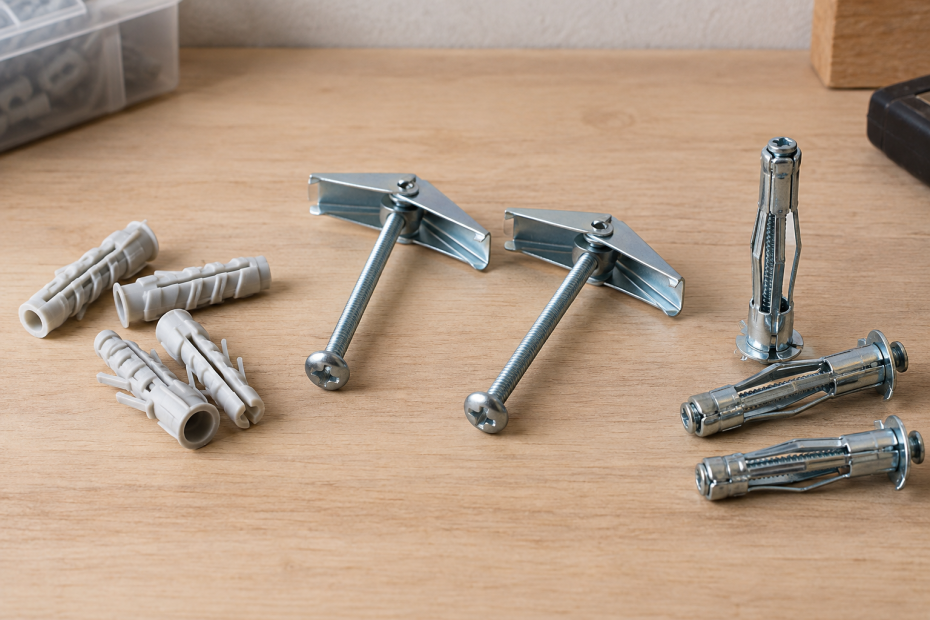
For most television mounts, the best “wall anchor” is a screw driven into a wood stud. If the mount’s holes do not line up with studs, a properly rated toggle may work for a light,…
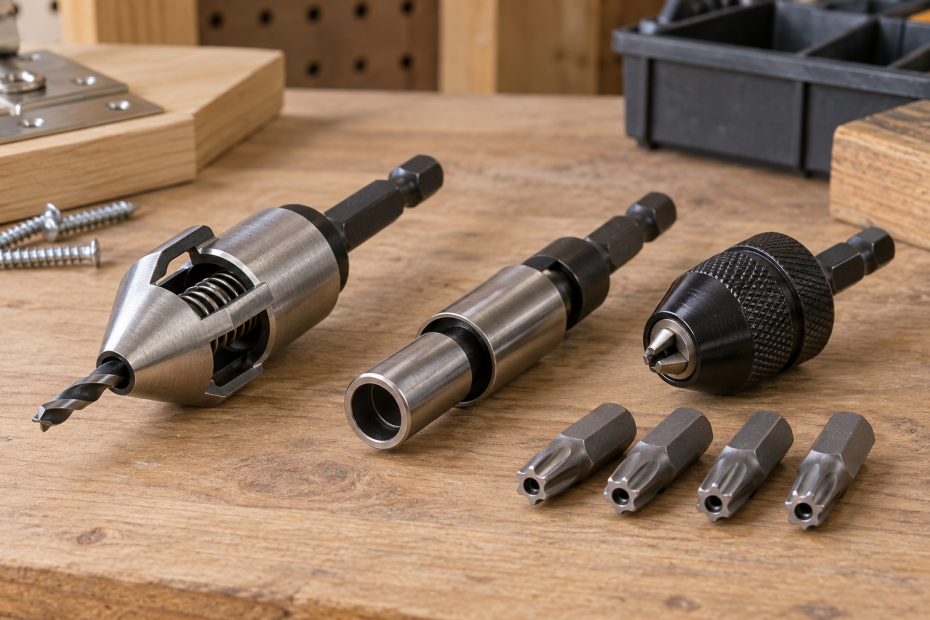
A screw guide attachment holds a screw on the end of a driver bit while you position it and start driving. It’s useful when one hand would otherwise have to hold the screw—overhead, inside a…
Why sharpen twist bits? A sharp twist bit cuts with steady pressure and makes a clean, controlled hole. A dull one needs more force, squeals or rubs instead of cutting, and can wander across the…
A side handle gives you a second grip on a cordless drill when a large bit, hole saw or mixer attachment starts to twist the tool. It is not a torque limiter, and it cannot…
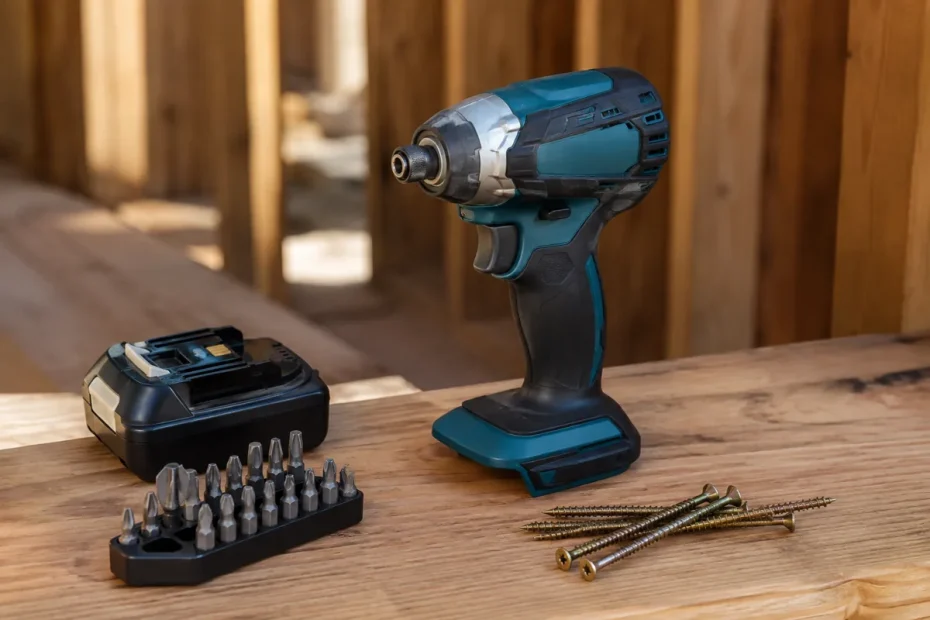
What an impact driver needs to do Ledger screws are structural fasteners, not ordinary deck screws. They are often 1/4- or 5/16-inch diameter and several inches long, driven through a ledger board and into framing…