Skip to content
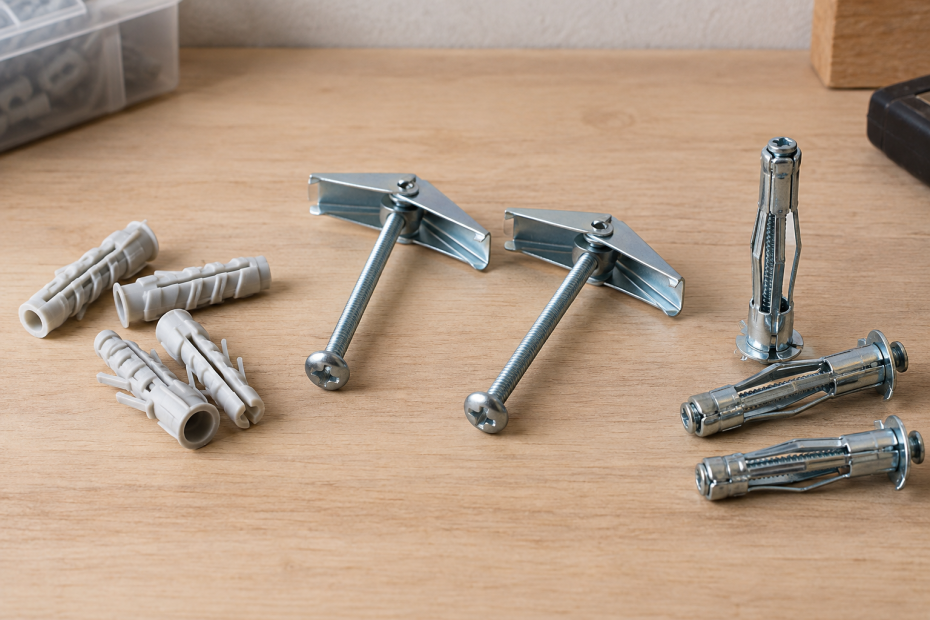
AI-generated editorial illustration of wall anchors

Best Wall Anchors for Securing a Small Bracket to Plaster Walls

  • by

Small brackets are easy to underestimate. A curtain tieback, cable guide, shelf support, motion sensor, or small tool holder may weigh only a few pounds, but the fastener sees more than the bracket’s static weight.… 

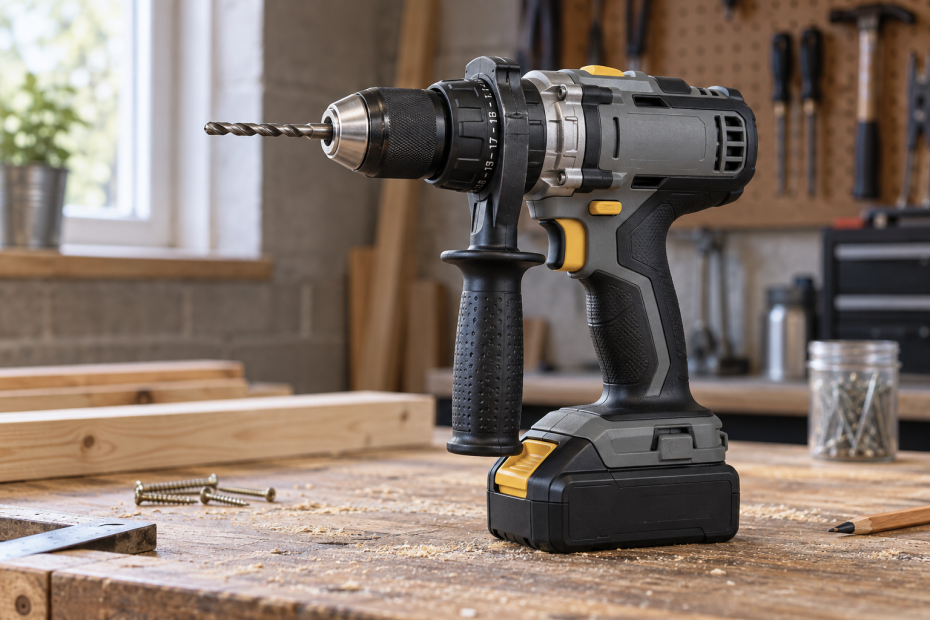
Editorial illustration: unbranded cordless drill beside a detached battery and drill bits.

Best Cordless Drills for Drilling Holes in Cedar Fence Rails

  • by

What the job requires Cedar is relatively soft, so drilling ordinary fence-rail holes doesn’t call for a hammer drill or a high-torque impact driver. A basic cordless drill with a working clutch and a variable-speed… 

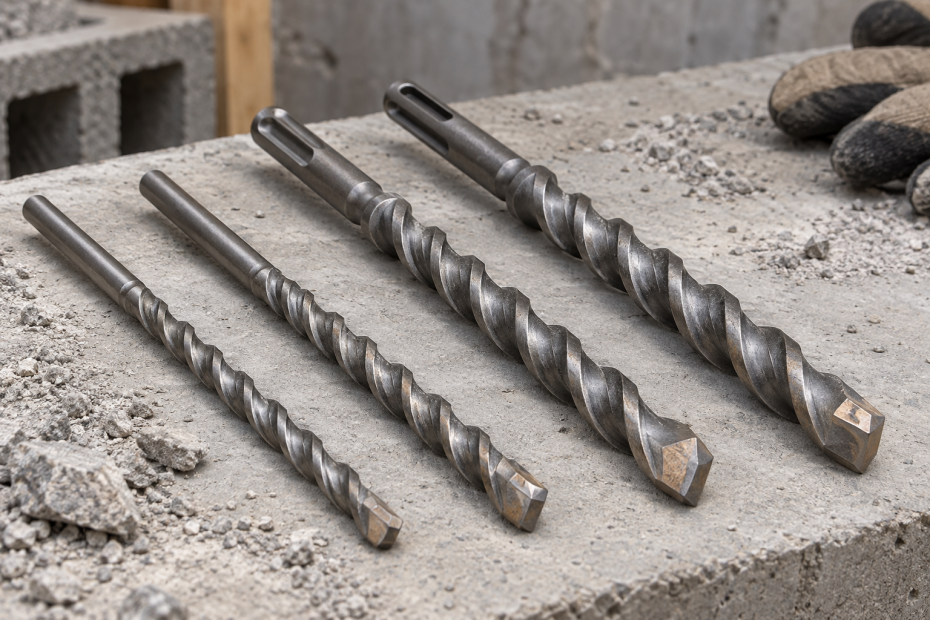
AI-generated editorial illustration of masonry drill bits

Best Hammer Drill Bits for Drilling into Concrete Steps

  • by

Drilling into concrete steps is less about buying the biggest bit and more about matching the bit to your drill, the hole size, and the concrete. For typical railing brackets, step lights, or small anchors,… 

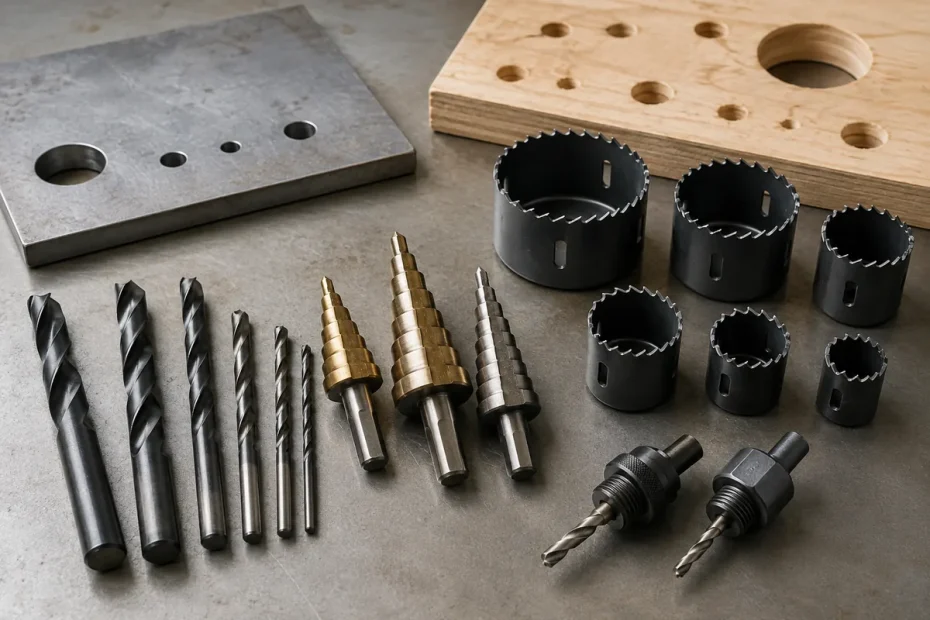
Editorial illustration: twist drill bits, step bits and hole saws beside drilled material samples.

How to Keep Drill Bits from Walking on Smooth Metal

  • by

A drill bit walks when its tip slides across the surface instead of cutting where you put it. Smooth sheet metal, round pipe, and polished steel are common trouble spots. The fix is usually a… 

Editorial illustration: twist drill bits, step bits and hole saws beside drilled material samples.

Brad-Point Bits vs Twist Bits for Accurate Holes in Hardwood

  • by

The short answer For clean, accurately located holes in hardwood, a brad-point bit is usually the easier choice. Its center point registers on your mark, and its outer spurs score the edge before the cutting…