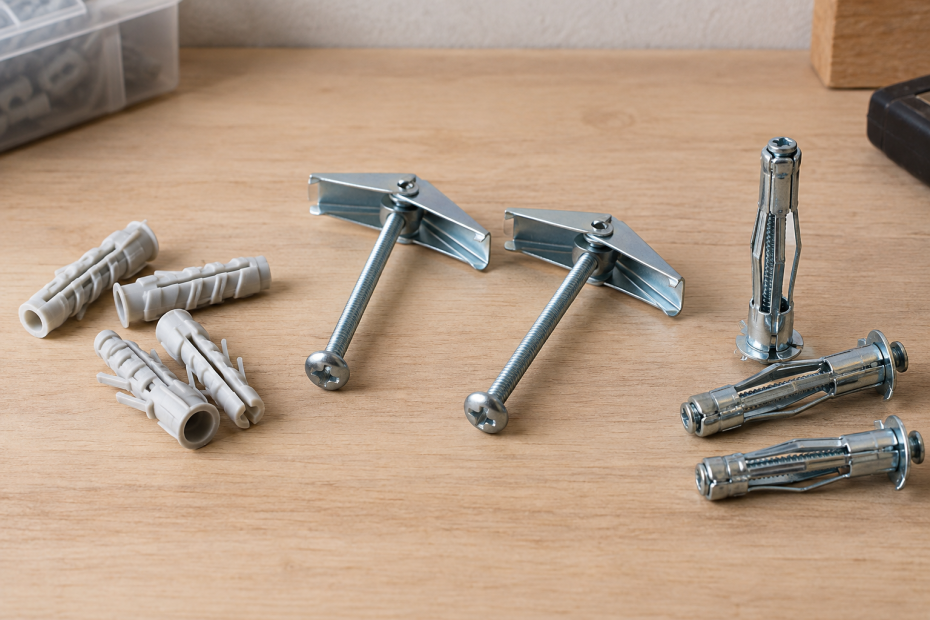
How to Choose a Wall Anchor for Hollow Concrete Block
Hollow concrete block is not one consistent anchoring surface. A block has two outer faces, a hollow center, and internal webs; the spot you drill may land on a face shell, a web, or directly…
Hollow concrete block is not one consistent anchoring surface. A block has two outer faces, a hollow center, and internal webs; the spot you drill may land on a face shell, a web, or directly…
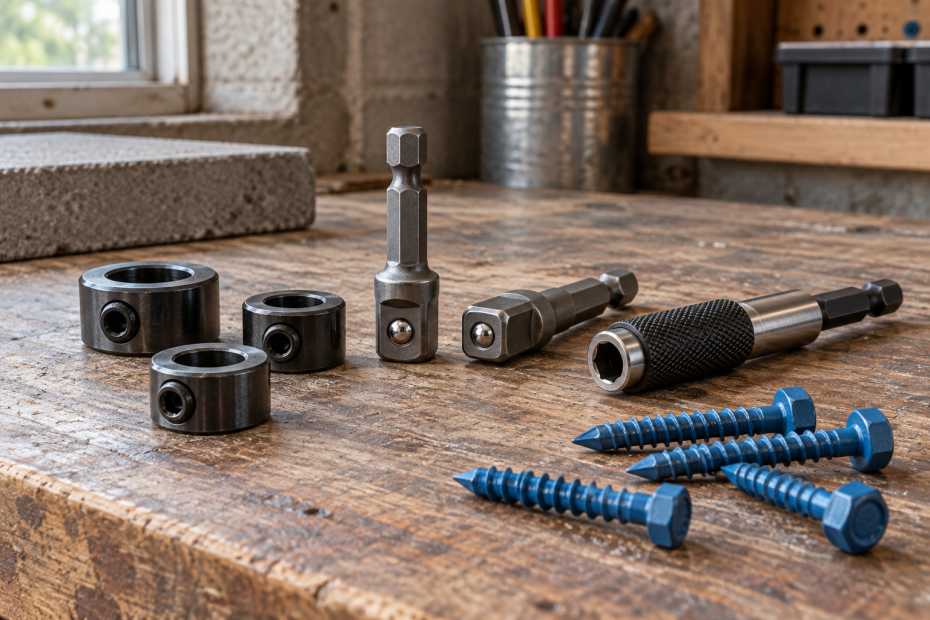
Start with the load and the concrete There is no single best fastener for attaching wood to concrete. A furring strip holding light paneling has different needs from a ledger supporting a shelf or a…
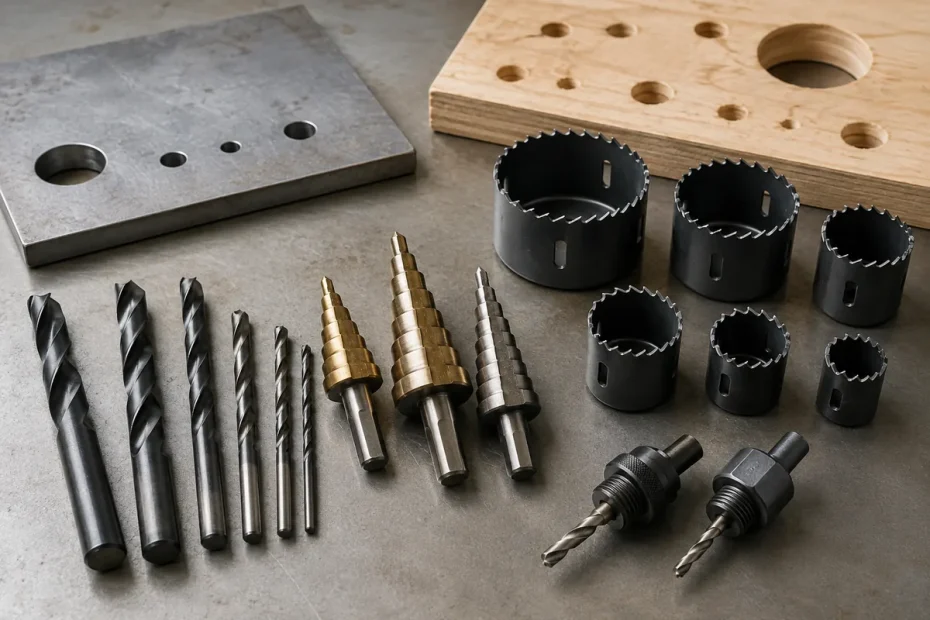
Choosing a bit for a deep hole is not as simple as buying the longest one that fits. A long bit can reach the target, but it also flexes more, wanders more easily, and is…
Choosing a hole saw for pipe or conduit is mainly a matter of matching the opening to what passes through it—not matching the saw to the pipe’s nominal size. The correct diameter depends on the…
Cast iron is hard, brittle, and less forgiving than mild steel. The right bit depends on the casting’s thickness and condition, the hole size, and whether you’re drilling a small bracket or a thick machine…
Picking a step bit for an electrical enclosure starts with the fitting, not the drill. A conduit connector, cable gland, knockout plug or bulkhead fitting has a specific hole-size requirement. The bit must reach that…
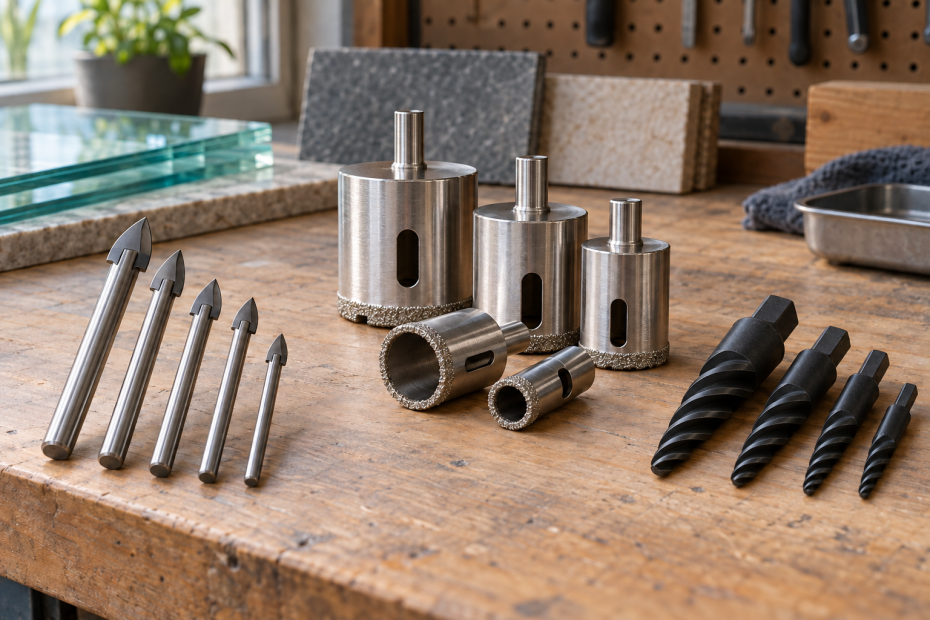
The right bit for ceramic tile depends on the tile, the hole size, and what lies behind it. For a small hole in ordinary glazed ceramic, a carbide-tipped tile bit is often the economical choice.…
A lag screw, often called a lag bolt, needs a pilot hole to cut down the force required to drive it and reduce the chance of splitting the wood. The right hole is large enough…
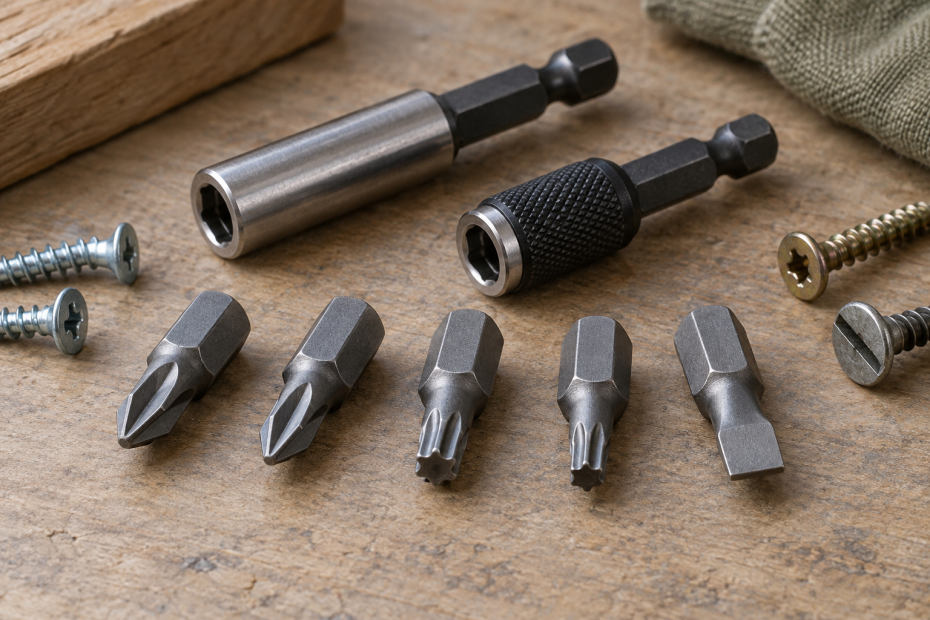
Why impact-rated bits matter An impact driver delivers short bursts of rotational force, unlike a drill, which turns steadily. That pulsing action can loosen ordinary bits, twist their shanks, or snap them, especially when driving…
A drill bit set is useful only if it contains bits that fit your drill and the materials you actually work with. A large assortment can look like good value, but many sets include duplicates,…