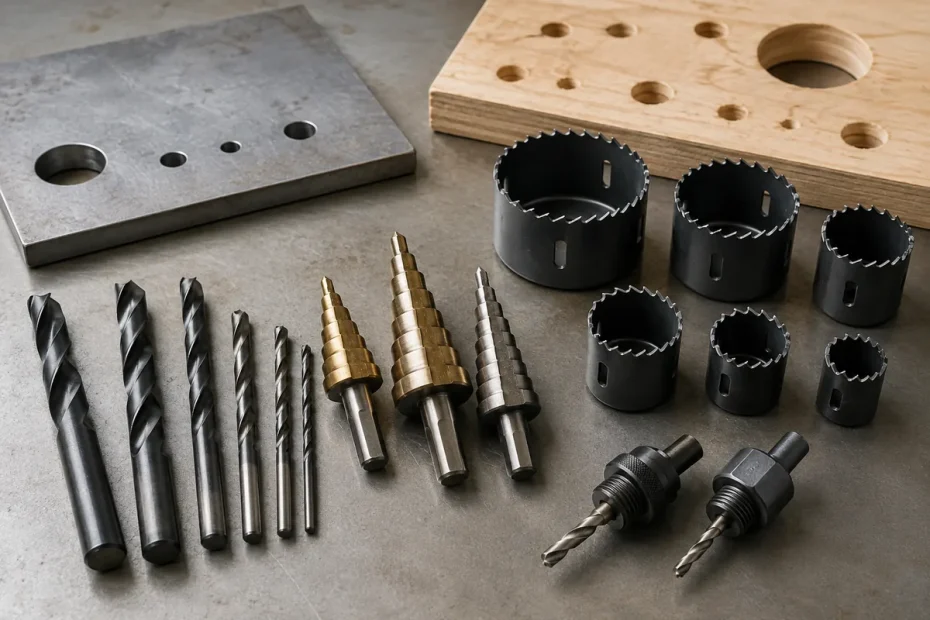
How to Read Drill Bit Sizes in Fractions, Numbers, and Millimeters
What drill bit sizes mean A drill bit’s size describes the diameter of its cutting end, not its length or the size of the drill that holds it. The same diameter may be marked as…
What drill bit sizes mean A drill bit’s size describes the diameter of its cutting end, not its length or the size of the drill that holds it. The same diameter may be marked as…
Why shank fit matters The shank is the part of a drill bit held by the tool. Matching it to the chuck is a basic compatibility check, but it affects more than whether the bit…
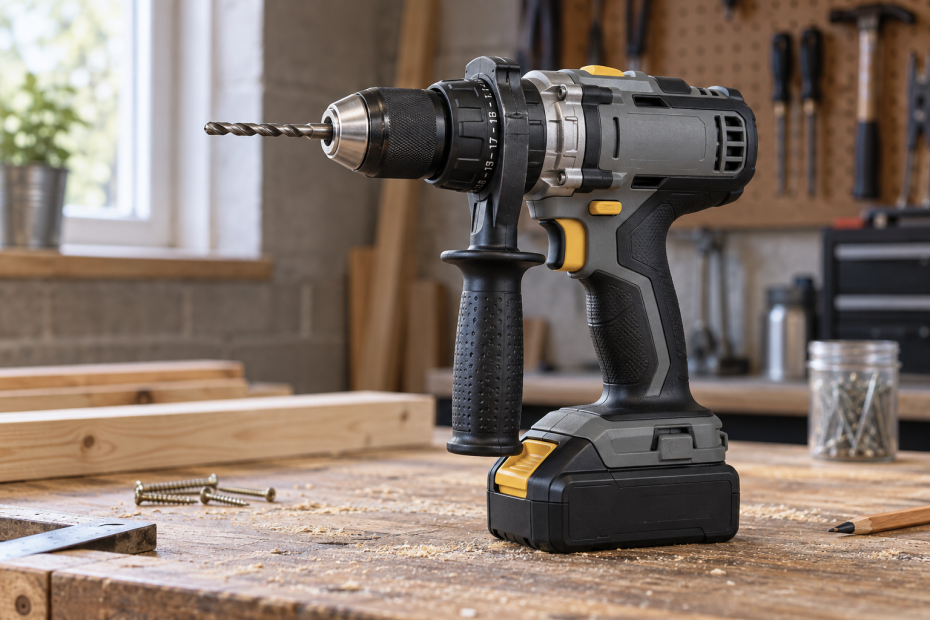
A hammer drill is useful when a regular drill bogs down in brick, concrete block, or light concrete. For typical home jobs—hanging shelves, fixing a railing, or installing a few masonry anchors—the right choice is…

Choosing between a wedge anchor and an epoxy-set anchor comes down to the load, the concrete, and how much installation control you have. Wedge anchors are quick, relatively inexpensive, and reliable in sound concrete. Epoxy…
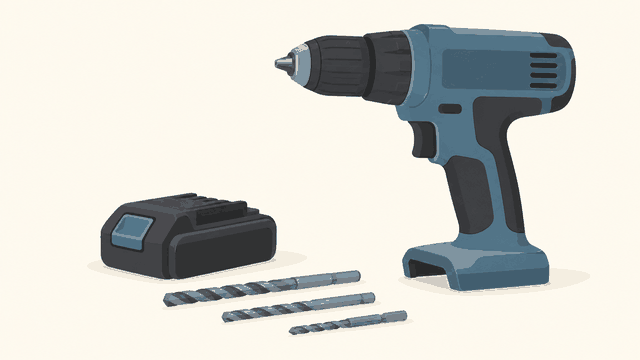
A drill driver and an impact driver can both drive screws, but they deliver force differently. A drill driver turns steadily and lets you control speed and torque. An impact driver adds rapid rotational blows…
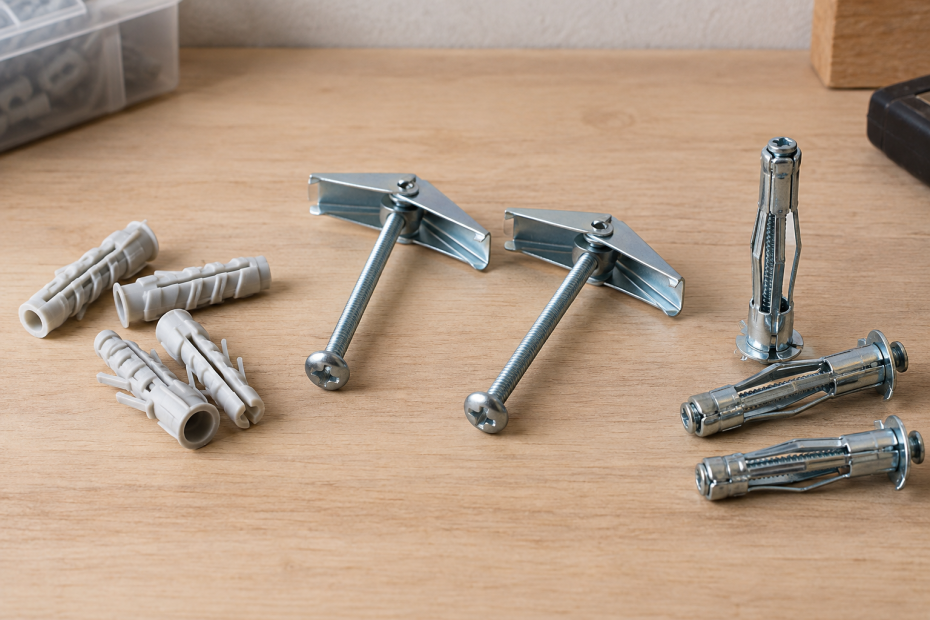
First, check what kind of block you have “Hollow block” covers several materials and shapes: lightweight concrete masonry, hollow clay tile, and concrete blocks with open cells are common examples. Their webs—the thin walls between…
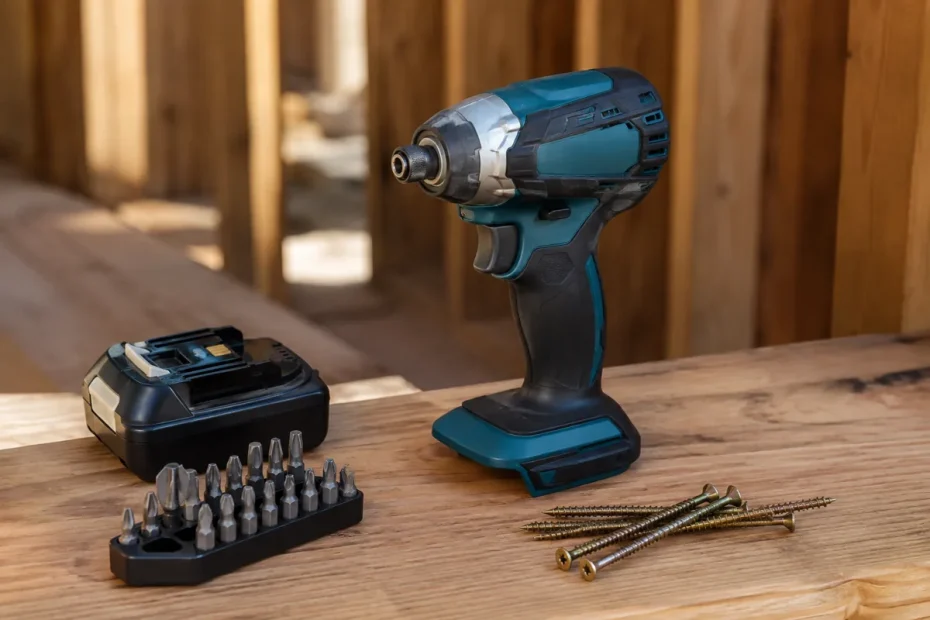
Which Tool Should You Use? For installing cabinet screws, a regular drill driver is usually the better tool. It gives you smoother control, makes it easier to stop at the correct depth, and is less…
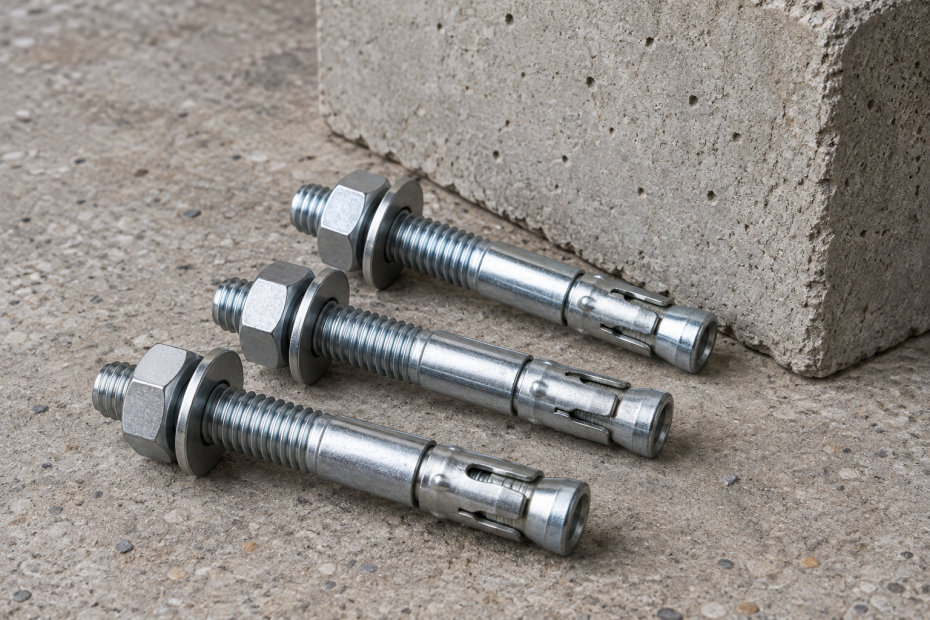
For most light-to-medium jobs on sound concrete block, a concrete screw is quicker and easier to remove. A sleeve anchor is a better fit when the fixture is substantial, the load is high, or you…
For most wall shelves, a screw into a wall stud is the stronger, simpler choice. Drywall anchors are useful when the brackets cannot line up with studs, but their capacity depends on the anchor type,…
Quick answer: choose by load and wall access For a light or moderate load in sound drywall, a self-drilling anchor is faster and usually leaves a smaller hole. For a heavy load, a toggle anchor…