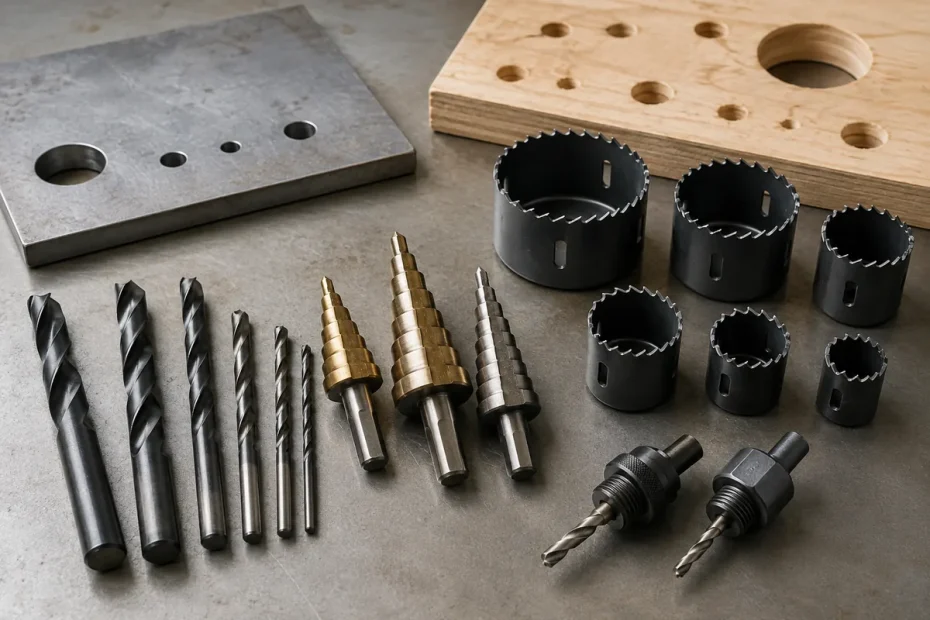
Step Bits vs Twist Bits for Drilling Thin Sheet Metal
The quick answer For one or two holes in thin sheet metal, an ordinary sharp twist bit is usually the cheaper, more versatile choice. For a larger hole, several different hole sizes, or a clean…
The quick answer For one or two holes in thin sheet metal, an ordinary sharp twist bit is usually the cheaper, more versatile choice. For a larger hole, several different hole sizes, or a clean…
For a clean hole in wood, a brad-point bit is usually easier to place accurately. Its sharp center point helps keep the bit from skating, while the outer spurs score the edge before the cutting…
For ordinary steel drilling, black oxide and titanium-coated bits are both high-speed steel (HSS) bits with a surface treatment. Neither coating turns a bargain bit into a premium one, and neither is a substitute for…
HSS and cobalt drill bits are both intended for metal, but “cobalt” bits are still high-speed steel bits: cobalt is added to the alloy to help the cutting edge withstand heat. The practical choice depends…
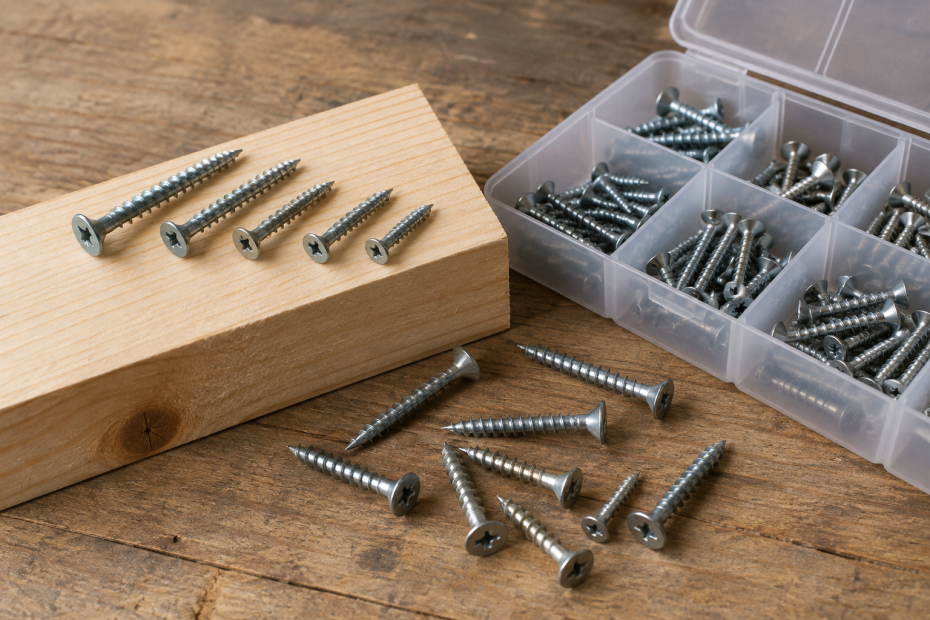
Metal straps are easy to attach to wood studs, but the wrong screw can loosen, crush the strap, or split the stud. The best choice is usually a structural wood screw with a wide washer-style…
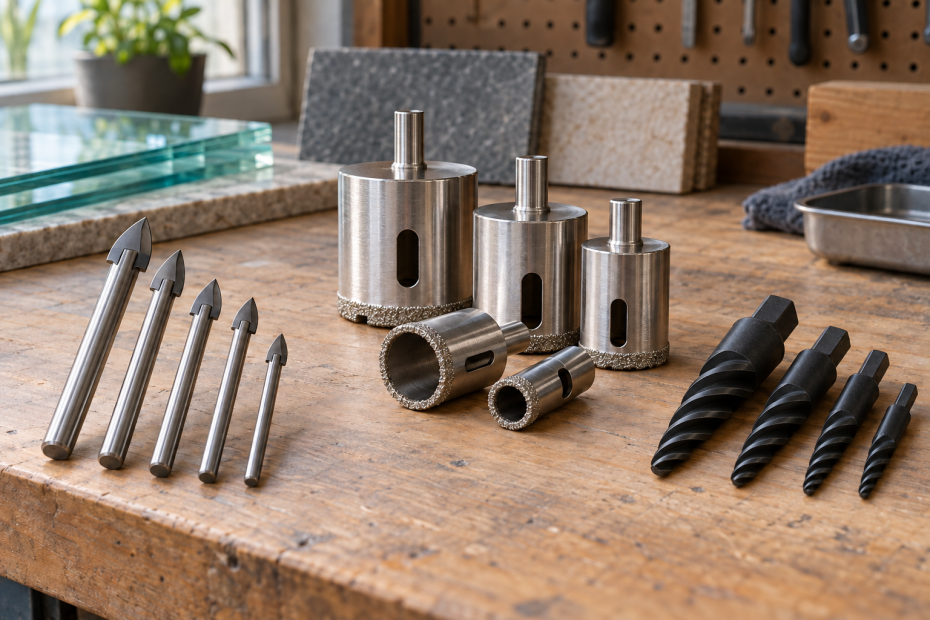
Tile is hard, brittle and unforgiving of a wandering bit. The right choice depends less on the drill you own than on the tile material, hole size and how many holes you need. For most…
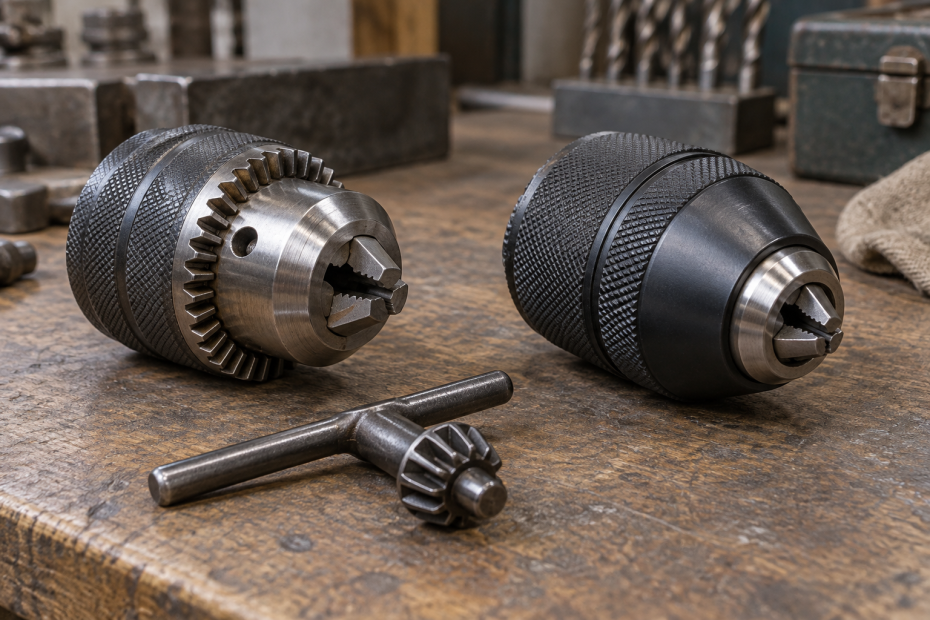
The basic difference A keyless chuck and a quick-change hex collet both hold drill bits, but they are built around different shanks and priorities. A keyless chuck grips round or hexagonal shanks with three jaws;…
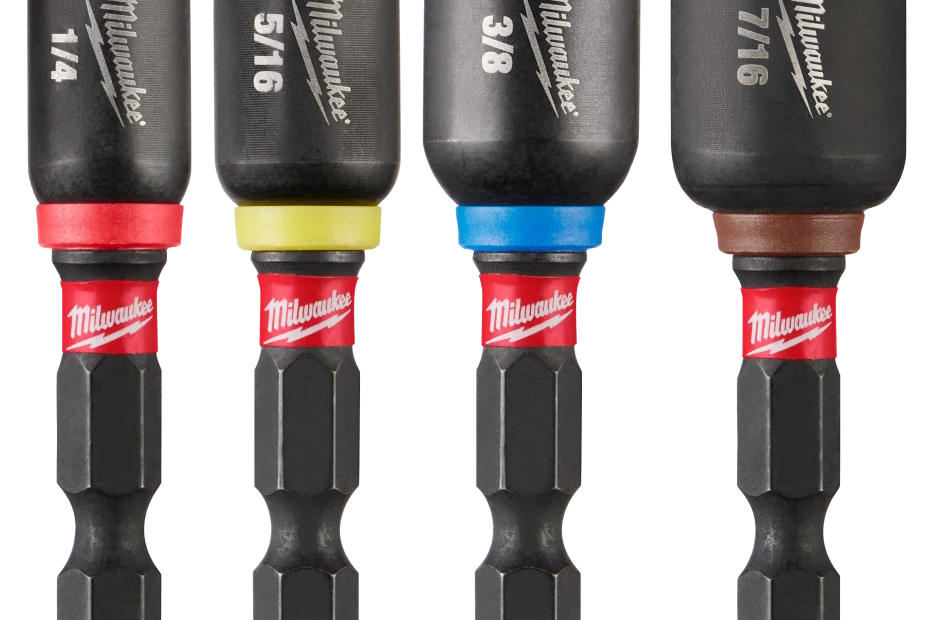
What “impact-rated” actually means Nut drivers fit over hex-head screws, bolts, and nuts so a drill or impact driver can turn them. The key difference is how the driver handles repeated impacts. An impact-rated nut…
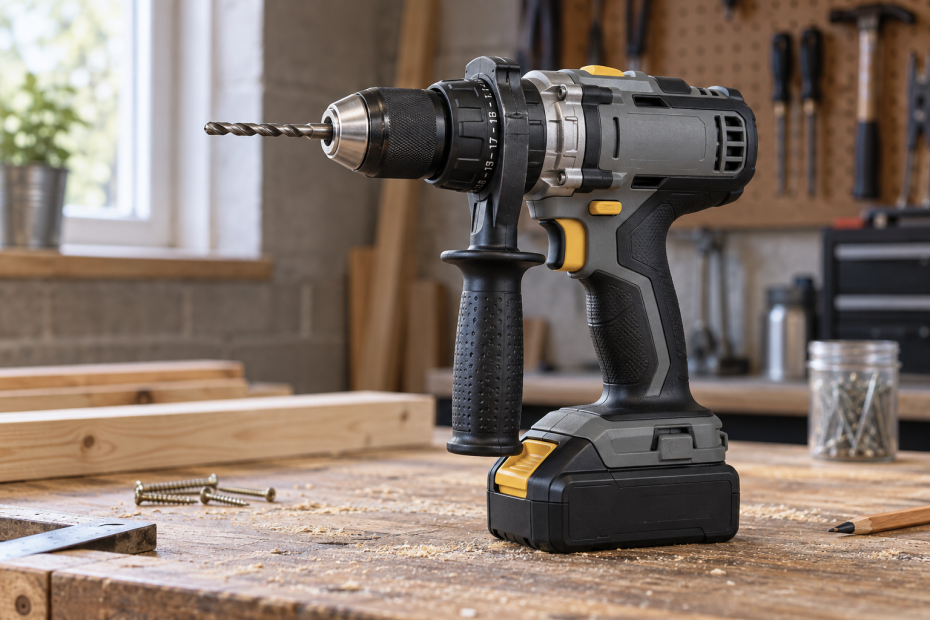
The short answer For occasional holes in brick, block, or mortar, a compact cordless hammer drill is usually easier to handle and cheaper to buy. For repeated drilling in concrete, larger holes, or work above…
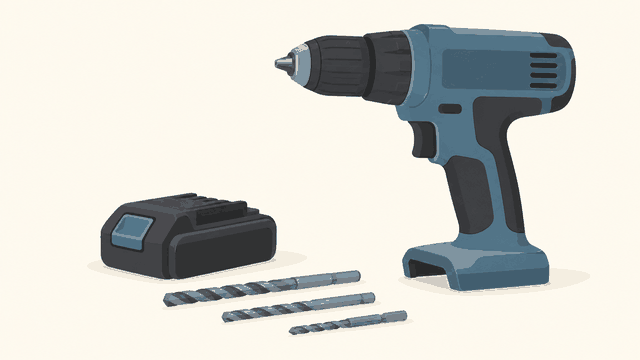
Cabinet installation is mostly controlled fastening, drilling pilot holes, and working in tight spaces. A 12V drill is often enough for that work; an 18V drill gives more reserve for larger holes and repeated driving.…