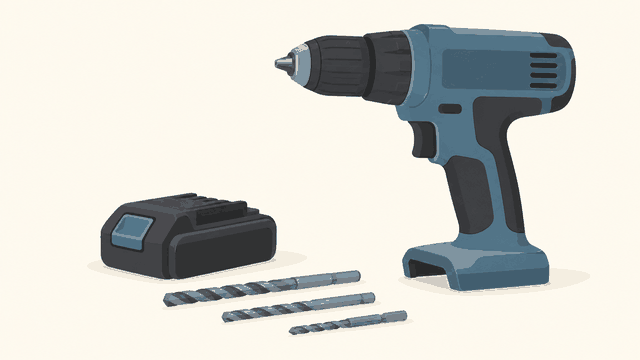
How to Drill Pilot Holes for Wood Screws
Pilot holes make wood screws easier to drive and reduce the chance of splitting the workpiece. They matter most near board ends, in hardwood, and when the screw is relatively large. The right hole is…
Pilot holes make wood screws easier to drive and reduce the chance of splitting the workpiece. They matter most near board ends, in hardwood, and when the screw is relatively large. The right hole is…
A cordless drill can make a straight hole in wood, metal, or a wall, but it won’t correct a crooked starting angle for you. The reliable approach is to mark the center carefully, hold the…
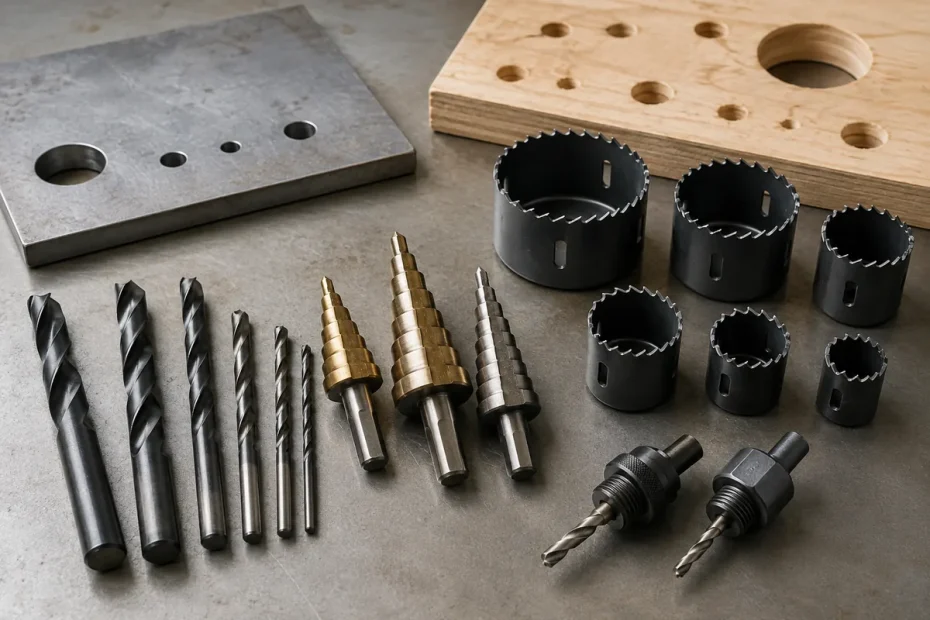
Chuck size is the maximum shank diameter a drill can grip. Choosing the right one means checking both the bits you plan to use and the drill’s intended work—not assuming that a larger chuck automatically…
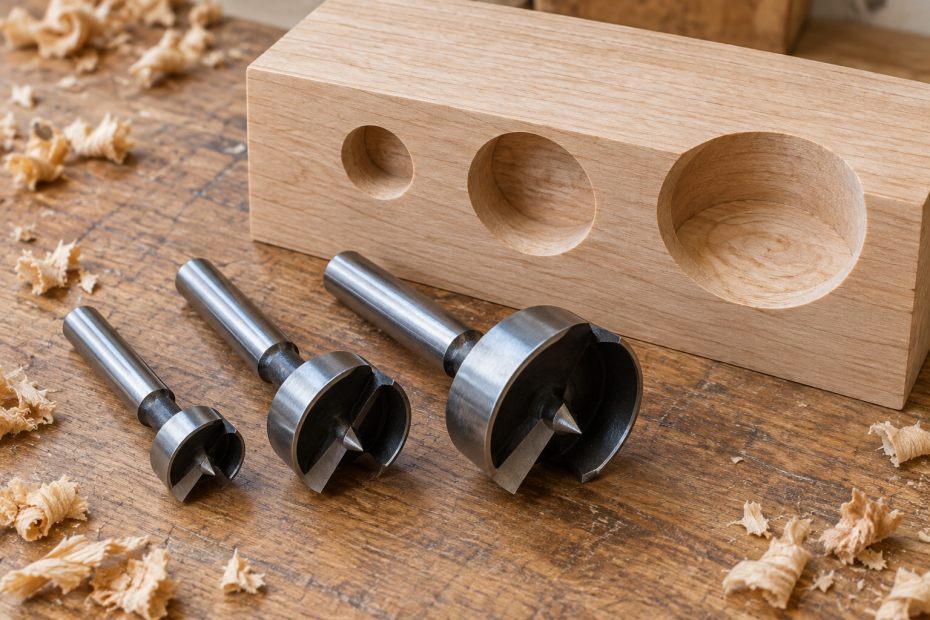
The short answer Both spade bits and Forstner bits can make flat-bottom holes, but they do it with different levels of control. A spade bit is inexpensive and fast for ordinary holes where the bottom…
Voltage is a useful first filter when you’re choosing a cordless drill for fastening, but it does not tell you how much torque the tool will deliver or how long it will run. For most…
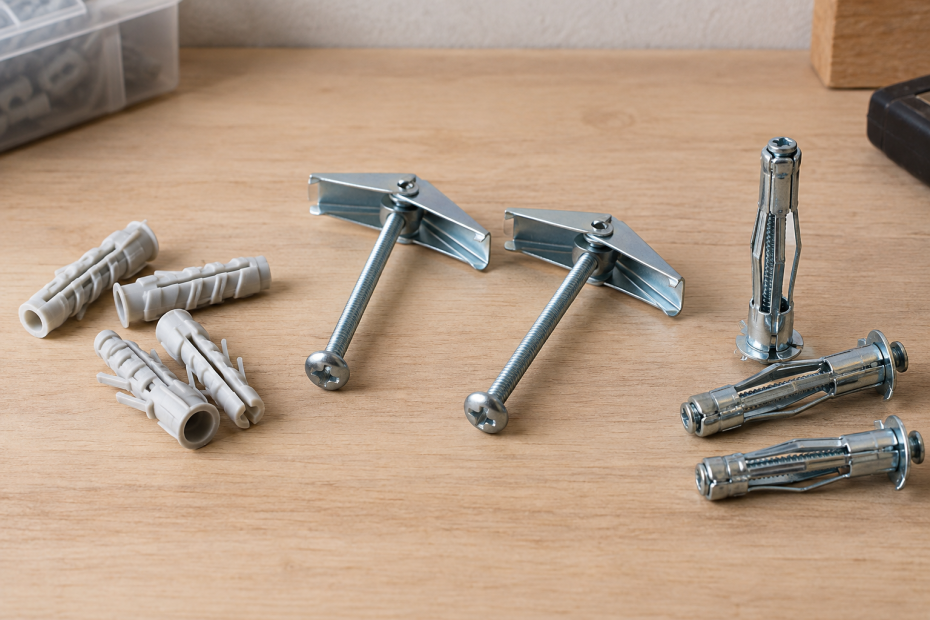
Plastic expansion anchors and threaded drywall anchors are both intended for light-duty fastening in drywall, but they work differently and suit different jobs. A plastic anchor expands inside a drilled hole when you drive in…
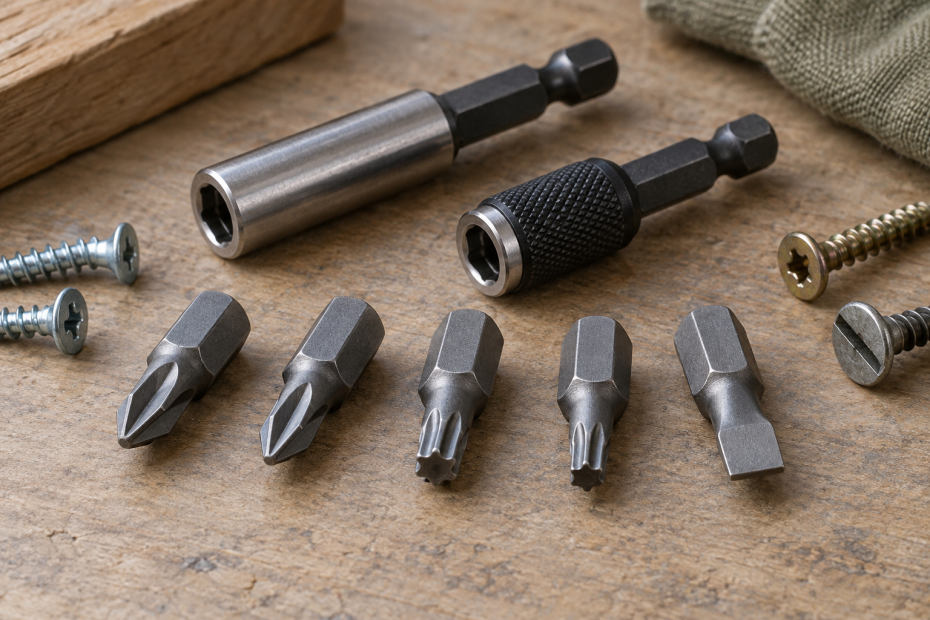
Impact-rated bits are built to handle the repeated twisting and sudden load of an impact driver. Standard driver bits are intended mainly for the smoother rotation of a drill or screwdriver. The difference matters most…
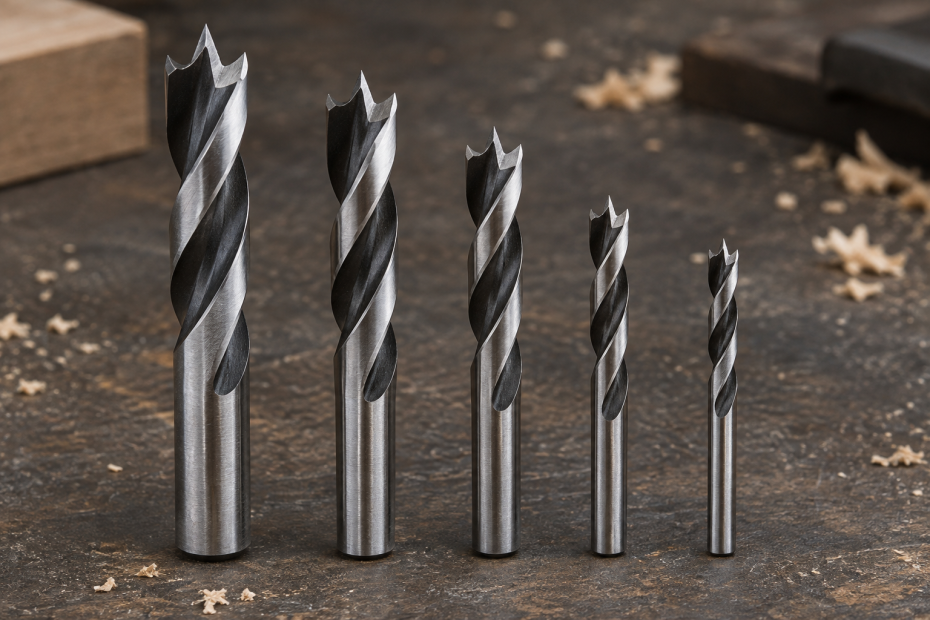
For deep holes in solid wood, an auger bit is usually the faster choice. A brad-point bit is usually the more controlled one, especially when the hole is smaller, needs a clean entry, or must…
Toggle bolts and molly bolts both expand behind hollow drywall, but they work differently and suit different jobs. A toggle’s wings open behind the wall and spread the load over a broad area. A molly’s…
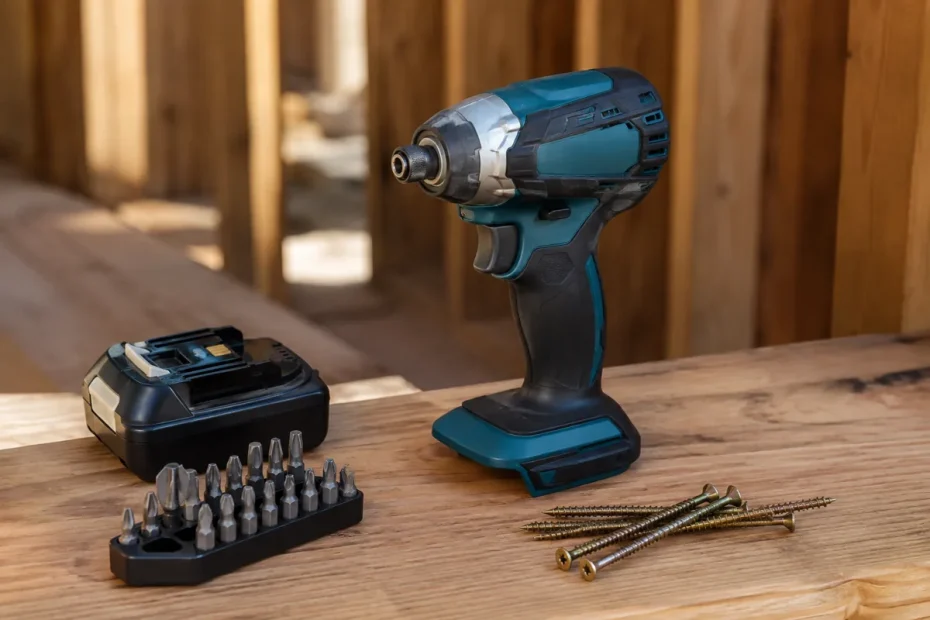
Impact Driver vs Cordless Drill for Driving Lag Screws For most lag-screw work, an impact driver is faster and easier to control than a cordless drill. Its pulsing hammer action produces high twisting force without…