What's inside
As an Amazon Associate I earn from qualifying purchases. This post may contain affiliate links at no extra cost to you.
For most masonry fasteners, use a hammer drill to make the hole and a regular drill or driver to set the fastener. An impact driver is usually the wrong tool for drilling masonry: its rotational impacts are not the same as a hammer drill’s forward blows, and a masonry bit can make little progress or overheat. There are exceptions for small, light-duty holes in soft brick, but they are not a good reason to buy an impact driver as your masonry drill.
As an Amazon Associate we earn from qualifying purchases at no extra cost to you.



What we cover
Two tools, different jobs
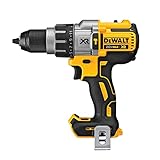
A hammer drill spins the bit while pushing it forward in rapid, short blows. The action helps a carbide-tipped masonry bit crush concrete, brick, or block. Turn the hammer action off when drilling wood or metal with the appropriate bit.
An impact driver delivers brief rotational blows to the fastener. That helps turn screws and some hex-head masonry screws, but it does not supply the axial hammering that a masonry bit needs. Using a regular hex-shank masonry bit in an impact driver may work slowly in soft material, but the chuck and bit connection, heat, and vibration make it a poor choice for routine hole drilling.
| Task | Best fit | Why |
|---|---|---|
| Drill holes for plastic anchors or masonry screws | Hammer drill and carbide masonry bit | Forward hammering helps the bit cut masonry. |
| Drive a screw into a predrilled pilot hole | Impact driver or drill/driver | Rotational impact helps with driving; use low speed or a clutch when control matters. |
| Occasional small hole in soft brick | Hammer drill preferred; ordinary drill may suffice slowly | Material and bit condition determine whether hammering is necessary. |
| Many holes in concrete, especially larger ones | SDS-plus rotary hammer | Its stronger hammering action is faster and less tiring than a standard hammer drill. |
What to buy for the job
If you are buying one tool for household wall anchors and occasional holes, a cordless hammer drill with a three-jaw chuck is the most versatile choice. It can drill masonry with a round-shank masonry bit, and it can handle ordinary drilling with hammer mode switched off. Compare a cordless hammer drill with the hole sizes and materials you expect, not just the advertised maximum torque.
If you already own a drill/driver, check whether it has a hammer setting before buying another tool. For a few holes in brick, a sharp carbide bit and patience may be enough without hammer action. In hard concrete, however, a basic drill may barely advance and can burn the bit or strain the motor. A hammer drill is a reasonable step up for occasional work; for repeated holes or diameters around 1/2 inch and larger, consider an SDS-plus rotary hammer.
An impact driver makes sense if you also need to drive lots of screws, but it is an add-on for fastening, not a substitute for a masonry drill. Some masonry screws have hex heads that accept a driver bit; others use a Phillips or star recess. Follow the fastener maker’s specified pilot-hole diameter and depth. A hole that is too small can make the screw bind or snap; one that is too large may not hold.
How to drill a clean masonry hole
Choose the bit diameter from the anchor or screw instructions. A common plastic wall plug may call for a 1/4-inch hole, while larger anchors need larger holes; do not guess based on the screw’s outside diameter. Use a carbide-tipped masonry bit, such as a carbide masonry bit set if you need several sizes. A worn or overheated bit often drills slowly, wanders, or leaves a hole too rough for a secure anchor.
Check for wiring and plumbing before drilling. Mark the depth with tape on the bit or use a depth stop, allowing extra depth for dust at the bottom. Keep the drill square to the surface and begin slowly so the tip does not skate. Apply steady pressure rather than leaning your body weight into the tool; excessive pressure can stall the drill, overheat the bit, or enlarge the hole.
For a small hole, use hammer mode if the material calls for it, but stop if the bit hits metal, sparks, or suddenly refuses to advance. You may have hit rebar, a lintel, or another obstruction. Do not force the bit through. In hollow block or fragile brick, hammering can break the face or blow out the back, so use light pressure and test in an inconspicuous spot. Keep hands clear of dust and wear eye protection; silica-containing masonry dust is a health hazard, so use dust extraction or suitable respiratory protection.
Set the fastener without damaging the wall
Clear drilling dust from the hole with a suitable brush or vacuum; packed dust can prevent an anchor from seating fully. Push a plastic anchor flush, then drive its screw. If using a concrete screw, drill to the specified depth and use the required bit. An impact driver can speed up installation, but start gently and stop as soon as the head seats. Too much torque can strip the hole, shear the screw, or crush soft masonry around the fastener.
Use a hand screwdriver or a drill/driver with a clutch when the fastener is small, the material is brittle, or you are close to the edge of a brick. An impact driver is useful for repeated, robust fasteners, but its force makes overdriving easier. If an anchor spins, pulls out, or will not grip, do not simply install a larger screw in the same damaged hole. Move to sound material or use an anchor designed for that substrate and load.
Choose by hole size and material
For a handful of small holes in soft brick, the drill you already own may be adequate if it accepts a masonry bit and the bit stays cool. For concrete, harder brick, or regular anchor installation, a hammer drill is the practical choice. An impact driver earns its place when the job includes substantial fastening, but it should not be your primary masonry hole-drilling tool. If drilling becomes frequent or involves large holes, stepping up to a rotary hammer saves time and effort.