What's inside
As an Amazon Associate I earn from qualifying purchases. This post may contain affiliate links at no extra cost to you.
The right lubricant keeps a drill bit cooler, reduces friction and helps it cut cleanly. For occasional holes in mild steel, a small bottle of cutting oil is usually enough. Stainless steel, thick stock and repeated holes put more heat into the bit, so the lubricant and drilling technique matter more. Lubricant cannot rescue a dull bit or excessive speed, but it can help prevent overheated edges, squealing and prematurely worn bits.
As an Amazon Associate we earn from qualifying purchases at no extra cost to you.

What we cover
Choose a lubricant for the metal
| Workpiece and job | Good starting choice | Trade-off |
|---|---|---|
| Mild steel, occasional holes | General-purpose cutting oil | Affordable and easy to apply; can be messy. |
| Stainless steel or repeated holes | Cutting oil labeled for drilling or stainless steel | Costs more than household substitutes, but suits tougher, hotter cuts. |
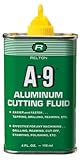
| Aluminum | Light cutting fluid or a fluid labeled for aluminum | Helps prevent aluminum from sticking to the flutes; some heavy oils are unnecessarily messy. |
| Thin sheet metal, a few holes | Cutting oil, or no added lubricant if the bit cuts cleanly and stays cool | Less cleanup without oil, but stop if the bit starts squealing or rubbing. |
| Cast iron | Usually dry | Lubricant often adds mess without much benefit; control dust and follow the material and tool guidance. |
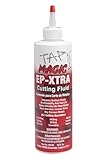
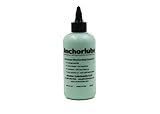
For general steel work, a metal-cutting oil for drilling is a sensible first purchase. Look for a product intended for metal cutting, not just a multipurpose household oil. If you drill stainless steel often, choose a cutting fluid whose label specifically covers stainless or difficult-to-cut metals.
Cutting oil: the practical default
Oil clings to the cutting area and is easy to apply from a bottle or squeeze container. Put a few drops on the spot before drilling, then add more if the area dries out or the cut begins to sound rough. You need enough to wet the contact area, not a puddle running down the workpiece.
Oil is a good fit for mild steel and most hand-drilled holes. Its downsides are cleanup and the risk of staining nearby surfaces. Keep it off painted finishes, floors and anything that should not get slick. For overhead work, use only a small amount and protect the area below.
When to choose another fluid
Water-based metalworking fluids can cool effectively and may be easier to clean up, but they need to be suitable for the metal and applied as directed. They can also be awkward for a one-off hole because the workpiece gets wet and some products require mixing. A water-soluble metal-cutting fluid makes more sense for repeated work or a shop setup than for a single quick repair.
Do not assume every lubricant works on every material. Aluminum can load a bit when chips stick to its cutting edges; a light fluid labeled for aluminum can help. Cast iron is commonly drilled dry because its chips are abrasive and oil can create a gritty mess. Check the fluid label and bit maker’s guidance when working with coated, galvanized or specialty metals.
Use the lubricant with the right technique
Secure the workpiece in a vise or clamp it firmly. Mark the hole, and use a center punch on smooth metal so the bit does not skate. For larger holes, start with a smaller pilot hole if the bit maker recommends it. Choose a sharp bit rated for metal; high-speed steel bits are suitable for many general jobs, while cobalt bits are a useful upgrade for frequent stainless-steel drilling.
Keep the drill straight and apply steady pressure. The bit should make chips, not just polish the surface. If you hear a high squeal, see smoke, or find the bit tip turning blue, stop: the bit is overheating or rubbing. Let the work cool, inspect the cutting edges and correct the cause before continuing. A slow drill with a sharp bit and steady feed is generally better than maximum speed, especially in stainless steel. Use the speed guidance for your bit and material; larger-diameter bits usually need lower RPM than small ones.
With a cordless drill, select a low gear for larger bits and keep a firm two-handed grip. Do not use an impact driver for routine metal drilling unless you have a suitable chuck or adapter and bit; impact action can make control worse and is unnecessary for ordinary holes. A hammer drill’s hammer mode should be off. Metal is not masonry, and hammering can damage the bit or spoil the hole.
Avoid unreliable substitutes
Motor oil, cooking oil and penetrating sprays may seem convenient, but they are not a dependable replacement for cutting fluid. Penetrating sprays are made primarily to loosen stuck parts, not to provide sustained lubrication during cutting. A light household oil might be adequate for one small hole in thin steel, but a proper cutting oil is inexpensive insurance if you are drilling several holes or working in thick stock. Never use a lubricant that the product label says is unsuitable for the material or operation.
Buying and safety checklist
For occasional DIY drilling, start with a small container of general-purpose metal-cutting oil rather than buying a large shop supply. If you mainly drill stainless steel, pay for a fluid labeled for difficult metals. If you only make a few holes in thin mild steel and the bit cuts cleanly, buying specialty fluid may not be worthwhile.
Wear safety glasses, keep loose clothing and hair away from the rotating chuck, and clear chips with a brush after the drill stops. Metal chips can be sharp, and the workpiece and bit may stay hot after drilling. Let them cool before handling, and wipe away excess oil before storing the tool or putting the workpiece near a heat source.