What's inside
As an Amazon Associate I earn from qualifying purchases. This post may contain affiliate links at no extra cost to you.
What we cover
Best drill bits for galvanized steel
For most holes in galvanized sheet or light-gauge steel, a sharp cobalt-alloy twist bit is a dependable choice. A standard high-speed steel (HSS) bit can also work well for occasional holes in thin metal, especially if it is new and you drill slowly. The zinc coating does not call for a special bit; the steel beneath it determines the cutting demands.
Choose the bit diameter for the fastener or fitting, then check that your drill can run slowly enough to control the cut. A cordless drill with a variable-speed trigger is usually a better choice than an impact driver. Keep the work clamped, use cutting fluid, and avoid forcing the bit. Heat dulls bits quickly and can damage the zinc coating around the hole.
As an Amazon Associate we earn from qualifying purchases at no extra cost to you.


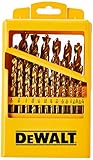

Which bit should you buy?
| Bit type | Best for | Trade-off |
|---|---|---|
| HSS twist bit | A few holes in thin galvanized sheet or light steel | Lowest-cost option, but dulls sooner in thick or hard steel |
| Cobalt-alloy twist bit | Repeated holes, thicker stock, or tougher steel | Costs more; still needs low speed and lubrication |
| Titanium-coated HSS bit | General-purpose drilling when the coating is intact | The coating wears away with sharpening or heavy use; not a substitute for cobalt in demanding work |
| Step bit | Clean, larger holes in thin sheet metal | Useful for sheet only; not intended for thick stock |
For an occasional hole in sheet metal, a basic HSS metal drill bit set is often enough. If you expect to drill many holes or encounter thicker steel, consider cobalt metal drill bits. For larger openings in thin panels, a metal step drill bit can make a round hole without changing bit sizes, but it is not the right tool for plate steel.
Match the bit to the material
Galvanized steel is ordinary steel coated with zinc to resist corrosion. In thin ductwork, flashing, or sheet-metal panels, the steel is easy to cut with a sharp HSS bit. As thickness increases, or if the steel is especially hard, the cutting edge needs to withstand more heat and wear. Cobalt-alloy bits are a sensible upgrade for repeated work, not a requirement for every small repair.
Do not buy a bit based only on labels such as “titanium.” That usually describes a surface coating on an HSS bit, not a solid titanium cutting tool. Coated bits can be useful, but their advantage fades if the coating is damaged. For a handful of holes in thin steel, a sharp, inexpensive HSS bit is usually better value than an elaborate set.
Drill without damaging the bit
Mark the hole and use a center punch to make a small dimple. This keeps the tip from skating across the slick zinc surface. Clamp the work securely, and support thin sheet with scrap wood if practical; unsupported sheet can flex, grab the bit, or leave a ragged opening. Wear eye protection and keep hands clear of the cutting edge.
Set the drill to its low-speed range and use steady, moderate pressure. For small bits in steel, a practical starting point is around 500–1,000 rpm; use the lower end as bit diameter or material thickness increases. Many cordless drills do not show exact speed, so work by feel: if the bit squeals, smokes, or turns the cut blue, stop and let it cool. A slow cut that produces chips is better than a fast, hot rub that polishes the steel and dulls the edge.
Apply a small amount of cutting oil or metal-cutting fluid to the drilling point. If you have none and are drilling only a few holes in thin sheet, take breaks to limit heat; do not substitute a flammable spray lubricant near sparks. Once the bit breaks through, ease off the pressure. The sudden drop in resistance is when a drill can lunge forward or the bit can catch and twist the work.
Common problems and fixes
The bit wanders: Punch a deeper starting dimple, or use a smaller pilot bit before the final size. A pilot hole is especially helpful for larger holes, but for very thin sheet a step bit may be cleaner and easier to control.
The bit spins without cutting: It may be dull, overheated, or running too fast. Stop, let the work cool, and inspect the edge. Sharpening can help a plain HSS bit, but sharpening a coated bit removes its coating. Replace a badly dulled bit rather than pressing harder.
The hole tears or leaves a burr: Clamp the sheet flat, back it with wood, and reduce pressure as the bit exits. Deburr both sides with a deburring tool or a larger bit turned gently by hand. Wear gloves when handling sharp metal, but keep gloves away from rotating machinery.
Drill choice and protecting the finish
A standard cordless drill is usually the right tool. Hammer mode is for masonry, not steel; using it can make the bit chatter and damage the hole. An impact driver can drill metal with a suitable hex-shank bit, but its repeated impacts make it harder to control, especially in thin sheet. Use one only if the bit is rated for the tool and a drill is not available.
Drilling breaks the zinc coating at the cut edge. After removing burrs, protect exposed steel with a suitable zinc-rich repair coating if corrosion resistance matters, particularly outdoors or in damp locations. Clean away metal chips promptly: they can rust on the surrounding surface and leave stains that look like coating failure.