We research everything we recommend. When you buy through our links, we may earn a commission. As an Amazon Associate we earn from qualifying purchases.
Best Staple Guns for Upholstery, Insulation and Shop Work
Compare the best staple guns and tackers for upholstery, insulation and shop work, including manual, corded electric and pneumatic T50 models.
A staple gun is the tool that turns slow fastening work into a rhythm. Re-covering a chair seat, hanging insulation batts, tacking down carpet pad, fastening wire mesh or building shop jigs all go faster with the right tacker, and the wrong one leaves staples standing proud or cramps your hand after twenty shots. The five guns below all use the widely available T50 staple family, which keeps consumables simple, and they span the three power sources that matter: manual lever guns, a corded electric model for steady bench work, and two pneumatic guns for shops with air on hand.
As an Amazon Associate, we earn from qualifying purchases.
The Arrow T50 remains the default manual staple gun for good reason: it is all steel, drives staples into hardwood, and lasts for decades. The T50X TacMate suits lighter work and smaller hands, the T50ACD corded electric removes the squeezing effort, and the Arrow PT50 and Surebonder 9600B pneumatic guns deliver the fastest, most consistent driving for production upholstery and insulation work.
How to Choose
Power source decides most of the experience. Manual guns are cheap, cordless by nature and always ready, but driving force comes from your hand, so dense hardwood and long sessions punish your grip. Electric guns trade the squeeze for a trigger pull and keep driving force consistent, which matters when staples must sit at a uniform depth in upholstery foam and fabric. Pneumatic guns are the fastest and lightest per shot, with a crisp, repeatable drive, but they tie you to a compressor and a hose.
Staple size is the second decision. All five guns here take T50 staples, the most widely stocked heavy-duty staple in North America, with leg lengths from a quarter inch for thin fabric up to nine-sixteenths for insulation and ceiling tile. Longer legs hold better in soft material; shorter legs avoid poking through thin stock. Crown width and wire gauge are fixed by the T50 standard, so focus on leg length for each job.
Consider the work position, too. Upholstery often means firing into awkward corners at odd angles, where a compact gun with a comfortable grip wins. Insulation and fencing runs are the opposite: hundreds of shots in open space, where pneumatic speed and a large magazine save real time. Also check how the gun loads. Bottom-loading rails that accept a full strip quickly, plus a window that shows remaining staples, reduce the fumbling that breaks your rhythm. Finally, think about maintenance: pneumatic guns want a few drops of air-tool oil daily, while manual guns mostly need an occasional clearing of a jammed staple.
Also think about fastener quality and storage habits, because they quietly determine how well any of these guns behave. Bargain staples with inconsistent leg lengths or weak glue joints in the strip break apart in the magazine and cause the jams users blame on the gun, so buy name-brand T50 staples that match the gun’s specification exactly. Store strips in a dry cabinet rather than a damp floor corner, since light surface rust increases friction in the rail. For upholstery work, keep several leg lengths on hand and test on scrap of the same fabric and foam stack before starting the visible piece; the right leg length holds firmly without dimpling the material or poking through the frame. A staple puller for removing old fasteners completes the kit, and it costs less than one ruined seat cover.
The Arrow T50 is the staple gun most shops already own, and it earned that status with an all-steel, chrome-finished body that shrugs off drops and decades of use. Its lever mechanism drives T50 staples with leg lengths from a quarter inch to nine-sixteenths of an inch into plywood, hardwood and dense framing lumber. The bottom-loading rail takes a full strip in seconds, a viewing window shows what remains, and the jam-clearing design rarely needs tools. It is not gentle on the hand during marathon sessions, and it asks for a firm, committed squeeze on every shot. For general shop work, fencing, insulation and repairs, it is still the benchmark manual tacker.
The TacMate rethinks the manual gun around comfort. Its compact body and leverage geometry need noticeably less squeeze force than the classic T50, which makes it a better match for upholstery, crafts, screening and lighter fastening where control matters more than brute power. It still fires the same T50 staples, so it shares consumables with the rest of this list, and the bottom-load magazine keeps refills simple. The trade-off is driving depth in very hard material: dense hardwood can leave staples slightly proud where the full-size T50 would seat them. For furniture work, fabric, insulation facing and household repairs, that is a worthwhile exchange for a gun most hands can run all afternoon.
The T50ACD replaces hand force with a corded electric drive, so every shot lands with the same energy whether it is the first or the five-hundredth. That consistency shows up as uniform staple depth across an upholstery panel or a long run of insulation. It fires T50 staples and can also drive brad nails, which adds light trim and craft fastening to its repertoire. A contact safety nose prevents firing until the gun is pressed to the work, and because it is corded, there is no battery to charge or replace mid-job. The cord limits roaming, so it suits benches, garages and single-room projects rather than fence lines.
The PT50 takes the familiar T50 staple into pneumatic territory. Running on shop air at typical pressures between sixty and one hundred PSI, it fires with a light trigger pull and almost no effort from the hand, which transforms long insulation, roofing-felt and upholstery sessions. The compact body reaches into seat frames and corners, the magazine loads from the bottom, and the drive stays consistent as long as the compressor keeps up. It uses the same T50 staples from a quarter inch to nine-sixteenths, so it slots into an existing consumable stock. You will need a hose and a compressor, and a few drops of air-tool oil each day, but the speed is unmatched.
The Surebonder 9600B is the value-minded pneumatic option, built for high-volume fastening in upholstery shops, insulation work and light manufacturing. It drives T50-type staples with the same quarter-to-nine-sixteenths leg range, fed from a magazine that holds up to one hundred staples so reloads interrupt less often. An adjustable exhaust lets you aim spent air away from your face, and a staple viewing window warns before you run dry mid-seam. The die-cast body keeps weight down during overhead work such as ceiling insulation. Like any air tool it needs a compressor and regular oiling, but for sustained production fastening it delivers pneumatic pace without pneumatic-brand pricing pressure.
Specs
Type
Pneumatic
Staples
T50 type, 1/4 to 9/16 inch legs
Air pressure
60 to 100 PSI
Magazine capacity
100 staples
Features
Adjustable exhaust, viewing window
Who Should Skip It
If your fastening is mostly heavy construction work such as subfloor or decking, none of these light-to-medium tackers is the right tool; that work calls for framing nailers and construction staplers with wider crowns. Occasional users with a single small project may find a basic manual gun from a bargain bin adequate, though the T50’s longevity usually justifies itself. Buyers without a compressor should skip both pneumatic models and choose between the manual pair and the corded T50ACD. And if your work is fine furniture upholstery with delicate fabrics, consider a dedicated upholstery stapler using fine-wire staples instead.
FAQ
What size T50 staple should I use for upholstery?
Short legs, around a quarter to three-eighths of an inch, suit most fabric-over-foam work because they hold the material without poking through the frame. Use longer legs, up to nine-sixteenths, when fastening through thick padding, webbing or insulation batts into framing lumber.
Why do staples jam or fail to seat fully?
Under-seated staples usually mean the material is harder than the gun’s driving force, the leg is too long for the job, or, on pneumatic guns, the air pressure is set too low. Jams often come from damaged staple strips or mixing staple types. Clear jams with the power source disconnected and match the staple exactly to the gun’s specification.
Manual, electric or pneumatic for insulation work?
For a single room, a manual T50 or the corded T50ACD is plenty. For whole-house insulation or repeated contracting work, pneumatic guns pay for themselves in speed and reduced hand fatigue, provided a compressor is already on site.
Can these guns fire into hardwood?
The full-size Arrow T50 and both pneumatic models drive into hardwood reliably with appropriate leg lengths. The TacMate and other comfort-oriented manuals may leave staples slightly raised in very dense species, which a light tap with a hammer can finish seating.
Final Verdict
Start with the Arrow T50 if you want one manual gun that will outlast trends, or the TacMate if comfort and lighter work dominate your list. The T50ACD is the steady-handed choice for bench upholstery, while the PT50 and Surebonder 9600B reward compressor owners with real production speed. Because every pick shares the T50 staple family, you can add a second gun later without stocking a new consumable, which makes building a small fastening lineup unusually painless.
M
Miller the Driller Editorial Team
We compare specs, warranty terms, long-term owner feedback and street pricing before anything earns a spot. Rankings are never paid.
Affiliate disclosure. As an Amazon Associate we earn from qualifying purchases at no extra cost to you. Prices accurate as of the date shown.
Three wireless routers for small offices compared on device capacity, network separation, wired speed, and coverage, with specs taken from their Amazon listings.
Compare 5 mechanic tool sets for car repairs: a 247-piece DEWALT kit, a 450-piece CRAFTSMAN set, a drawer-box GEARWRENCH set, a 170-piece Crescent set and a 450-piece WORKPRO set.
Four splitting axes and mauls that actually split firewood: a long 36-inch axe for tall users, a shorter 28-inch option, and two 8 lb mauls for knotty rounds.
Learn whether a 20V rechargeable drill battery can be repaired, which faults you can check safely at home, and when replacing the pack is the safer choice.
A specs-based review of the officially licensed Retro-Bit Sega Saturn 2.4 GHz wireless controller: dual receivers, Genesis Mini and Switch support, battery, layout, limits, and FAQs.
Find the best drill battery for Power Wheels ride-on toys for families, with DeWalt, Milwaukee and Ryobi adapters, voltage and safety guidance in this guide.
Find the best hole saw for noching dom pipe: bi-metal saws, deep cups, and the right sizes for clean, tight notches in DOM tube for fabrication shops today.
Find the best diy tile saws for home tiling projects. Compare wet tile saws by blade size, cutting capacity, and features for ceramic and porcelain tile.

 Arrow T50 Heavy Duty Staple Gun
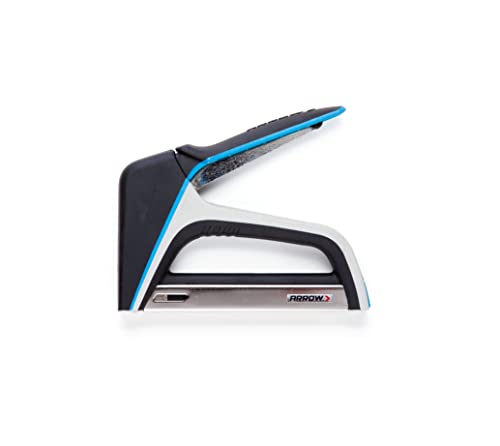 Arrow T50X TacMate Staple Gun
 Arrow T50ACD Corded Electric Staple Gun
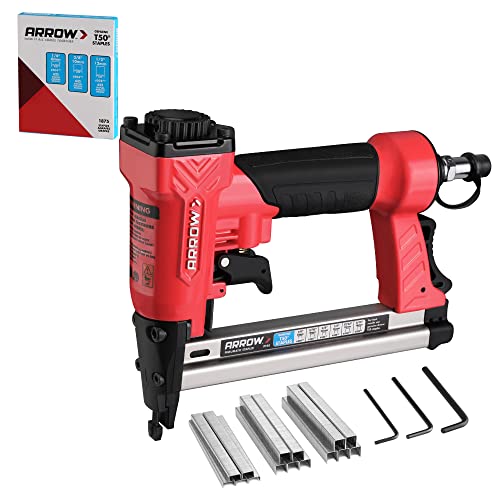 Arrow PT50 Pneumatic Staple Gun
 Surebonder 9600B Pneumatic Staple Gun









