What's inside
- Short answer: Is the Milwaukee 2953 worth buying?
- 2953 at a glance
- What “real fastening torque” tells you—and what it doesn’t
- Battery drain: a useful planning estimate
- 2953 versus 2853: who should upgrade?
- Choose by job, not by the torque headline
- Ownership: bits, collet, and battery habits
- Verdict
- What to Look For in an Impact Driver
- Step-by-Step: Driving a Structural Screw Cleanly
- Common Mistakes With Impact Drivers
- Troubleshooting
- Which One Should You Buy?
- Related Guides
As an Amazon Associate I earn from qualifying purchases. This post may contain affiliate links at no extra cost to you.
What we cover
- Short answer: Is the Milwaukee 2953 worth buying?
- 2953 at a glance
- What “real fastening torque” tells you—and what it doesn’t
- Battery drain: a useful planning estimate
- 2953 versus 2853: who should upgrade?
- Choose by job, not by the torque headline
- Ownership: bits, collet, and battery habits
- Verdict
- What to Look For in an Impact Driver
- Step-by-Step: Driving a Structural Screw Cleanly
- Common Mistakes With Impact Drivers
- Troubleshooting
- Which One Should You Buy?
- Related Guides
Our Top Picks
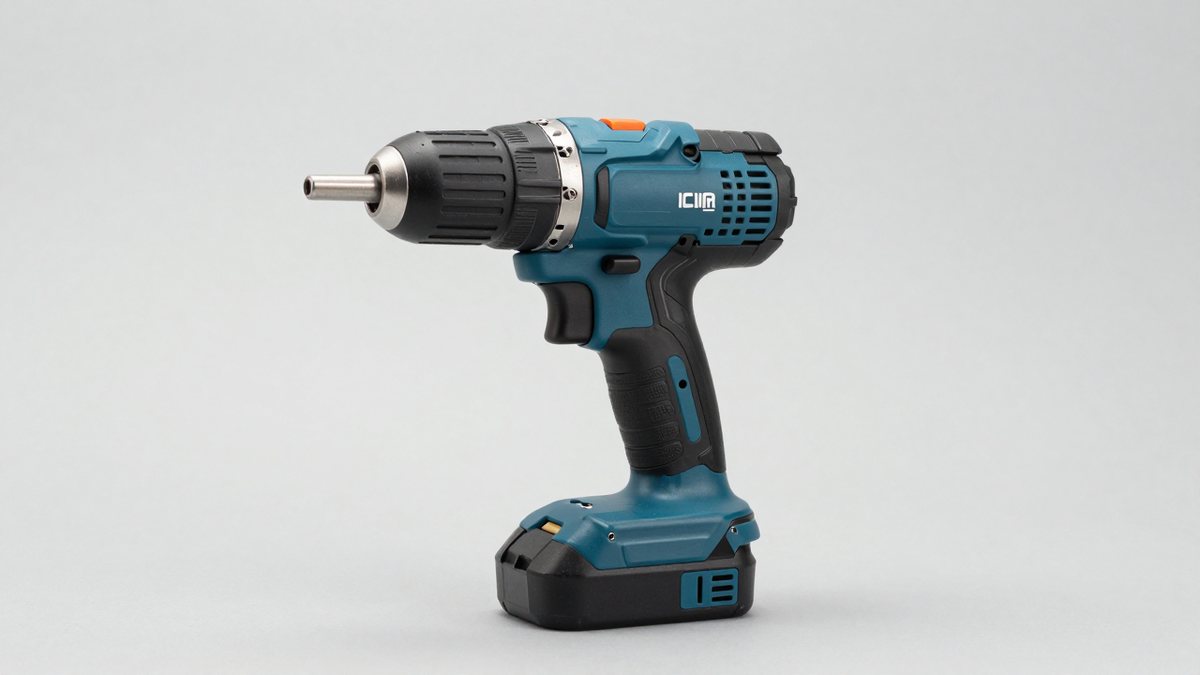
 Milwaukee 2953-20 18V Cordless 1/4" Hex Impact Driver241 x 99 x 137 inches2.49 poundsCheck on Amazon


Short answer: Is the Milwaukee 2953 worth buying?
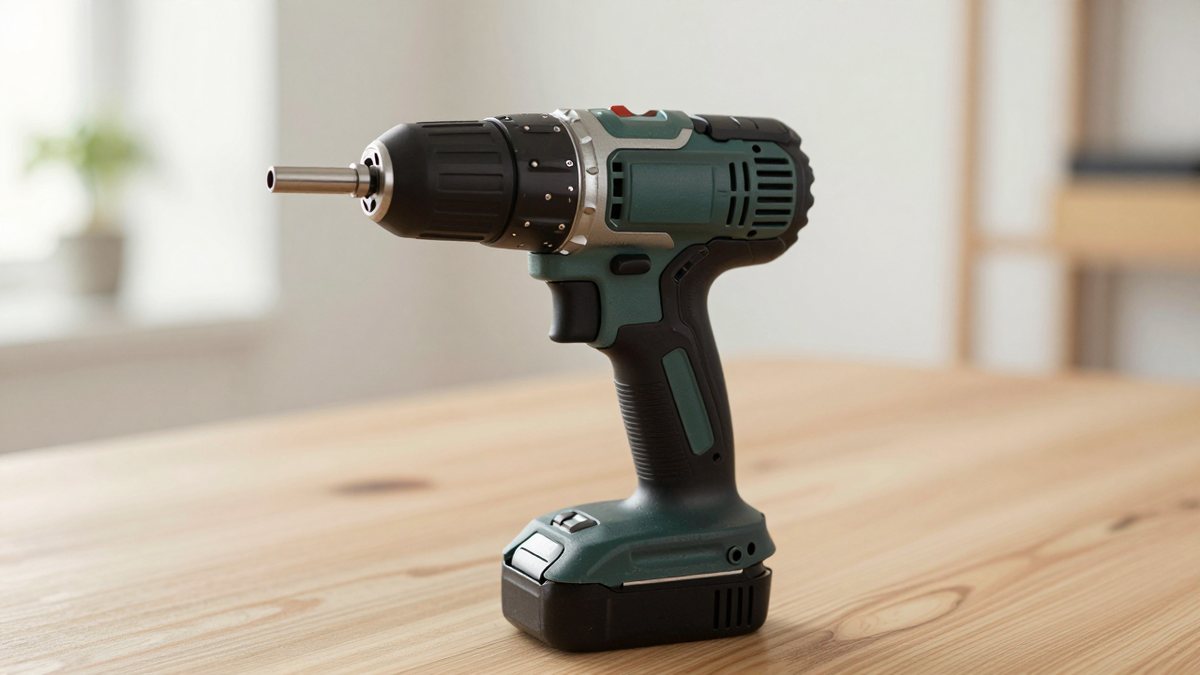
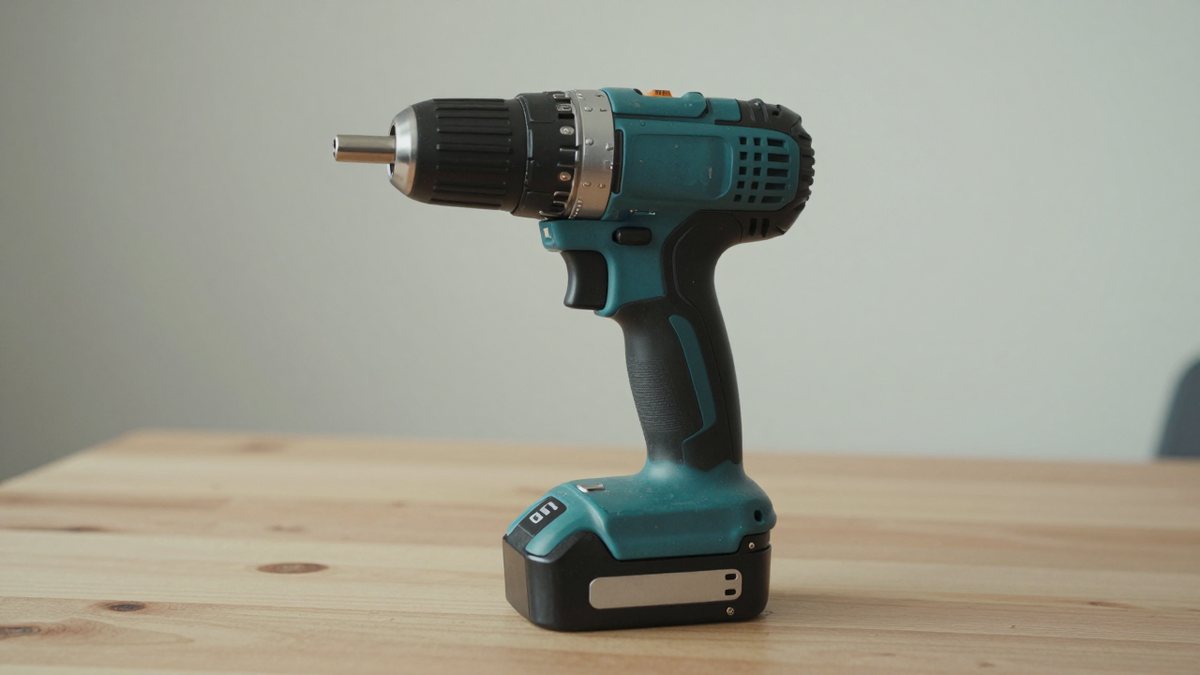
The Milwaukee M18 FUEL 2953-20 is a strong choice if you want a compact, quick impact driver for frequent fastening, but its headline torque figure is not a promise that it will drive every large fastener to a precise depth. Its best case is everyday work with wood screws, cabinet hardware, and structural screws within the fastener maker’s guidance. For occasional household repairs, a less expensive driver may be better value; for owners of the previous-generation 2853, upgrading makes most sense when the 2953’s smaller body, added control, or improved speed settings solve a real problem.
One important distinction: Milwaukee publishes torque specifications, but comparable independent measurements of real-world fastening torque and battery drain depend on fastener, material, technique, and test setup. The figures below separate published specs from practical estimates rather than presenting them as lab results.
As an Amazon Associate we earn from qualifying purchases at no extra cost to you.


2953 at a glance
| Specification | Milwaukee M18 FUEL 2953-20 | What it means in use |
|---|---|---|
| Drive | 1/4-inch hex | Accepts standard 1/4-inch hex bits; use impact-rated bits for impact-driver work. |
| Published torque | 2,000 in-lb | A manufacturer rating, not a controlled prediction of tightening torque on a particular screw. |
| Maximum speed | Up to 3,900 rpm | Fast for repetitive driving; use a lower setting near delicate materials and small hardware. |
| Impact rate | Up to 4,400 impacts per minute | Helps maintain progress as a fastener encounters resistance. |
| Length | About 4.47 in. | Compact head length helps in cabinets, framing corners, and other restricted spaces. |
| Bare-tool weight | About 2.2 lb. | Battery adds weight; the complete tool’s balance depends on pack size. |
| Battery platform | Milwaukee M18 | Compatible M18 packs can be shared with other M18 tools. |
Specifications are manufacturer-published and may vary slightly by configuration or market. The bare-tool weight excludes the battery.
What “real fastening torque” tells you—and what it doesn’t
An impact driver’s published torque is useful for comparing tools from the same maker, but it does not directly tell you how tightly a screw will clamp two boards. The result changes with screw diameter and length, thread design, wood species, pilot-hole size, bit fit, and how long the trigger is held. In wood, a fastener can strip its hole or break before a tool reaches a theoretical maximum.
For woodworking, judge the 2953 by control and repeatability, not by trying to reach 2,000 in-lb. Its four drive-control settings let you start gently and increase speed as needed. On cabinet screws, small hinges, or hardware near an edge, begin on a low setting and finish slowly. For large structural screws, follow the fastener maker’s installation instructions and drill the recommended pilot hole when required.
If you need a specified clamping force or repeatable torque for machinery, use a torque wrench or a tool designed for controlled torque. An impact driver is a fastener-driving tool, not a precision torque instrument.
Battery drain: a useful planning estimate
Milwaukee does not provide a universal “screws per charge” figure for the 2953 because the load varies too much. A short screw in soft wood and a long structural screw in dense lumber are not equivalent cycles. The table gives planning ranges for a healthy, fully charged 5.0Ah M18 battery—not guaranteed counts or independently measured results.
| Example job | Estimated fasteners per 5.0Ah charge | Main variables |
|---|---|---|
| Short cabinet or trim screws in softwood | Several hundred | Screw length, trigger time, and whether the tool is set to a low mode |
| 2–3 in. general-purpose wood screws | Roughly 150–300 | Wood density, pilot holes, screw design, and driving depth |
| Long structural screws in dense lumber | Roughly 40–100 | Fastener diameter, embedment, pilot-hole requirements, and sustained impact time |
These broad ranges are for budgeting a job, not comparing test results. Cold conditions, an aging battery, and repeated high-load driving can reduce useful runtime. A larger-capacity pack usually extends work time but adds bulk and weight; for overhead or confined work, a compact battery may be more comfortable.
To estimate your own needs, count the fasteners in a representative section of the project, then multiply by the number of sections. For example, 24 screws per panel across eight panels is 192 screws. If those are ordinary 2–3-inch screws, one 5.0Ah pack may cover the job under favorable conditions, but having a charged spare avoids interrupting work.
2953 versus 2853: who should upgrade?
The 2953 is the newer generation, while the 2853 is the previous M18 FUEL impact driver. Both are powerful 1/4-inch hex tools on the M18 battery platform. The 2953’s advantages are most relevant to control and access, rather than a dramatic change in what an impact driver can do.
| Decision point | 2953 | 2853 |
|---|---|---|
| Generation | Fourth-generation M18 FUEL impact driver | Third-generation M18 FUEL impact driver |
| Published maximum torque | 2,000 in-lb | 1,800 in-lb |
| Published maximum speed | 3,900 rpm | 3,600 rpm |
| Published impact rate | 4,400 ipm | 4,300 ipm |
| Best reason to choose it | New-tool purchase, compact access, and updated control | Keep using it if it works well and the price of an upgrade is hard to justify |
Published specifications describe maximum ratings, not the size of the difference you will feel on every screw. If your 2853 already drives the fasteners you use without trouble, the 2953 is an incremental upgrade, not a necessary replacement. Consider changing when your current tool is worn, you regularly work in tight spaces, or you want the newer controls and can get the bare tool at a reasonable general market price.
Choose by job, not by the torque headline
| Your situation | Practical choice | Why |
|---|---|---|
| Occasional repairs and a tight budget | A basic impact driver, or a drill-driver if you need more control | The 2953’s speed and power may go unused for light, infrequent work. |
| Regular woodworking or remodeling | 2953 with a suitable M18 battery | Quick driving, compact size, and multiple settings suit varied tasks. |
| Already own a working 2853 | Keep it unless the newer design solves a specific issue | The published performance gap alone may not repay the upgrade cost. |
| Frequent long structural screws | 2953, impact-rated bits, and a spare battery | Expect higher battery use; follow fastener guidance and use pilot holes where specified. |
| Delicate hardware or precise final tightening | 2953 on a low setting, then hand-tighten if appropriate | Full trigger power can strip wood or damage small fasteners. |
Ownership: bits, collet, and battery habits
Impact-rated bits are worth using: standard bits can wear or snap sooner under repeated impact. A worn bit can cam out, damage a screw head, and make a capable tool seem weak. Keep the bit seated straight, use the correct size, and replace rounded or visibly twisted bits.
Check the quick-release collet occasionally for dust and debris, and brush off the tool’s vents after dusty woodworking. Avoid forcing a bit into the holder or letting packed sawdust build up around moving parts. Store batteries dry and follow Milwaukee’s charging and storage guidance; do not leave a pack in extreme heat or cold. If the driver heats up during sustained heavy fastening, pause and let it cool rather than continuing to run it under load.
Verdict
The Milwaukee FUEL impact driver 2953 is a capable, compact option for people who drive fasteners often and already use—or plan to use—the M18 platform. Its published torque and speed are impressive, but battery life and usable fastening performance depend on the job, and neither number replaces good bit choice, sensible speed control, or correct fastener preparation. Buy the 2953 for a new, frequent-use setup or a concrete improvement over an older tool; keep a sound 2853 if your work does not call for the upgrade.
What to Look For in an Impact Driver
Spec sheets for 18-volt impact drivers read alike. A few features separate drivers that stay controllable from drivers that strip every second screw.
Drive modes
The 2953-20 has a four-mode drive control, and one of the modes is aimed at self-tapping screws, where it reduces walking at the start and the chance of overdriving or stripping. Modes let you give up top speed in exchange for finesse, which is what matters with small fasteners, thin material, and cabinet hardware. A driver with only a single full-power setting makes you do that moderating with your trigger finger.
Speed and impact rate
Milwaukee-based listings give 3,900 rpm and up to 4,400 impacts per minute for this driver, with a maximum of 2,000 inch-pounds. Higher impact rate generally means smoother, faster driving in dense material, while the lower modes slow the impacts so the head of the screw does not tear. One retailer lists slightly different figures, so check Milwaukee’s own documentation if the number matters for your work.
Chuck and bit retention
A 1/4-inch hex quick-change chuck takes standard impact-rated bits and allows one-handed insertion. Loose bit retention is a common reason a bit wobbles and cams out, so a chuck that holds firmly is worth more than a longer feature list.
Battery pairing
The driver works with M18 batteries, so the pack you pair with it changes the feel. A compact pack keeps the tool short and light for overhead work, while a larger pack gives more runtime at the cost of weight in your wrist. Pick the pack for the job you do most.
Step-by-Step: Driving a Structural Screw Cleanly
- Match the bit to the screw drive. Use an impact-rated bit that fits the recess snugly, with no rattle when seated.
- Drill a pilot hole when the manufacturer calls for one. Hardwoods and screws near an edge are the cases that split most often.
- Choose a lower mode to start. Begin gently, and move to a higher mode only if the screw stalls.
- Seat the tip, then squeeze progressively. Let the bit engage the recess before the impacts begin.
- Keep the tool in line with the screw. Lean in with steady pressure; angled pressure is the main cause of cam-out.
- Stop at the right depth. Ease off just before the head is flush, then finish with a short burst or by hand.
Common Mistakes With Impact Drivers
- Using standard bits. Non-impact bits can snap under the sudden torque hits.
- Driving at full power every time. Heads strip and wood splits; lower modes exist for a reason.
- Ignoring fastener limits. The tool can exceed what small screws can take, so match mode and power to the fastener.
- Pushing too hard. Excess pressure can bend the bit. Let the impacts do the work.
- Leaving a hot battery on the charger straight away. Let it cool after heavy use.
Troubleshooting
| Symptom | Likely cause | Fix |
|---|---|---|
| Bit slips out of the screw head | Worn or wrong-size bit, or angled pressure | Replace the bit, align the tool, and press in line |
| Screw head strips | Mode too aggressive for the fastener | Drop to a lower mode and slow the trigger |
| Wood splits near the edge | No pilot hole, or screw too close to the end | Pre-drill and move the screw inward |
| Driver slows or stops under load | Low charge or overheated battery | Swap in a charged pack and let the other cool |
| Bit wobbles in the chuck | Worn bit shank or dirty collet | Try a fresh bit and clean out debris |
| Bits keep breaking | Standard bits used, or excessive side load | Use impact-rated bits and keep the tool straight |
Which One Should You Buy?
| If you… | Choose… |
|---|---|
| Drive structural screws and cabinet hardware often | The 2953 for its four drive modes |
| Already own the 2853 and it works for you | Keep the 2853 until it wears out |
| Own M18 batteries and want a compact tool | The 2953, sold as a bare tool |
| Only hang pictures and assemble furniture | A simpler, cheaper driver is enough |
Whichever you pick, wear eye protection, since a bit or screw tip can shatter under impact loading.
A practical way to decide between the two generations is to ask what problem you are solving. If your current driver already handles your fasteners without stripping or stalling, the extra control of a newer model is a convenience rather than a fix, and the money may do more good on a good set of impact-rated bits and a spare battery.
FAQ
Short answer: Is the Milwaukee 2953 worth buying?
2953 versus 2853: who should upgrade?
Related guides
More from Amazon
Programs that pair well with the guide above. Offers and eligibility are set by Amazon and may change.
A free business account with business pricing and bulk-buying tools for work, shop or home office.
Create a business accountFree shipping on eligible items, Prime Video and more. Eligible new members can start with a free trial.
Start a Prime free trialAudiobooks and podcasts to listen to on the go. Eligible new members can start with a free trial.
Try Audible freeAd-free music streaming. Eligible new subscribers can start with a free trial.
Try Music Unlimited freeAs an Amazon Associate we earn from qualifying purchases.