What's inside
As an Amazon Associate I earn from qualifying purchases. This post may contain affiliate links at no extra cost to you.
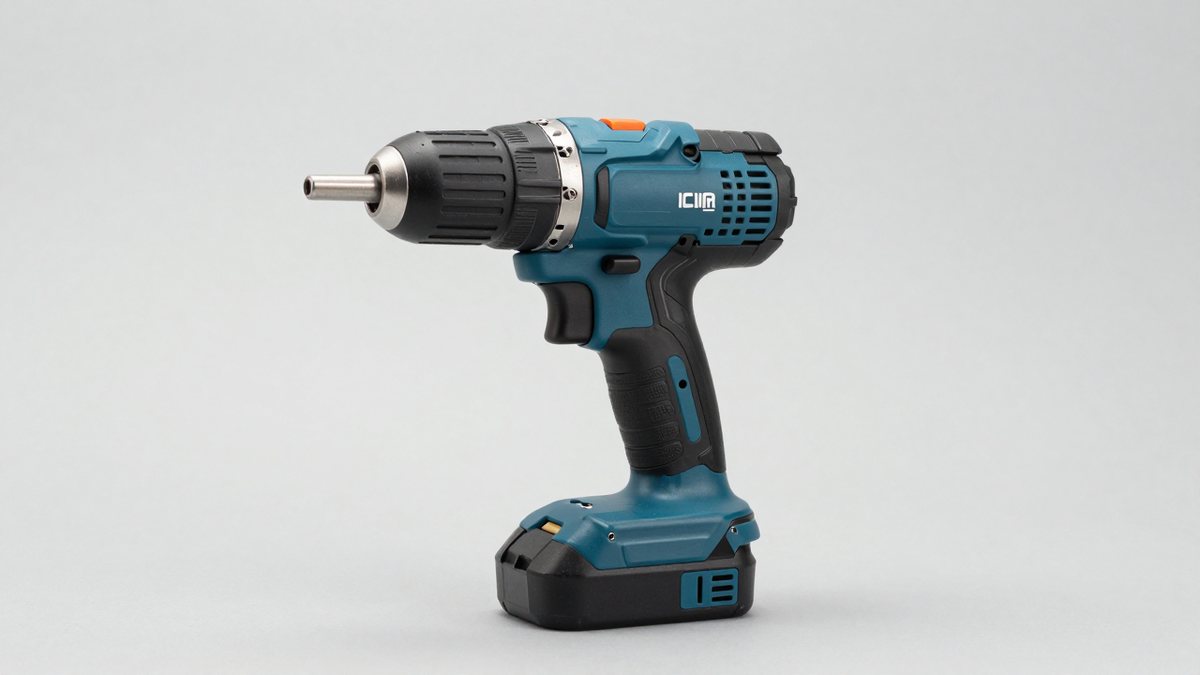
Phillips screws are easy to drive until the bit starts climbing out of the recess. That cam-out can chew up the screw head, damage the workpiece, or leave a screw stuck halfway in. An impact driver can help, but it is not a cure for a worn bit, a damaged screw, or poor alignment. The best setup combines a driver with controllable speed, a correctly sized quality bit, and steady pressure along the screw’s axis.
As an Amazon Associate we earn from qualifying purchases at no extra cost to you.



What we cover
Our Top Picks




What matters in an impact driver
For Phillips screws, maximum torque is rarely the deciding specification. A compact 12-volt driver can handle many small and medium fasteners; an 18- or 20-volt-class driver is a better general-purpose choice for frequent work and longer screws. More power can also make cam-out worse if the trigger is hard to modulate or the driver starts at high speed.
Look for a variable-speed trigger and, ideally, selectable speed or drive modes. A slower mode gives you more control as the bit seats and the screw starts. An impact driver’s hammering action can help with a stubborn fastener, but repeated impacts on a soft or damaged Phillips recess may finish stripping it. Start gently, keep the tool square to the screw, and stop if the bit begins to lift out.
A short, well-made 1/4-inch hex Phillips bit is usually a sensible starting point. Use the size that fills the recess snugly: a bit that rocks or engages only at its tip is more likely to slip. Phillips #2 is common in general construction, but smaller and larger screws need the matching size. Do not assume every cross-shaped recess is Phillips; Pozidriv and some other designs look similar but need different bits.
Choosing a driver for Phillips work
| Driver type | Best for | Trade-off |
|---|---|---|
| 12-volt compact impact driver | Cabinet hardware, light repairs, and occasional screws | Smaller and often easier to control, but less reserve for long or stubborn fasteners |
| 18- or 20-volt impact driver with speed modes | Regular fastening and mixed household or jobsite work | More capable, but bulkier; high power needs a light trigger hand |
| Basic single-speed impact driver | Infrequent driving when cost matters most | Can work well, but offers less help controlling speed at startup |
| Cordless drill with clutch | Small screws and delicate materials | Often gives finer control, but may stall sooner on a seized fastener |
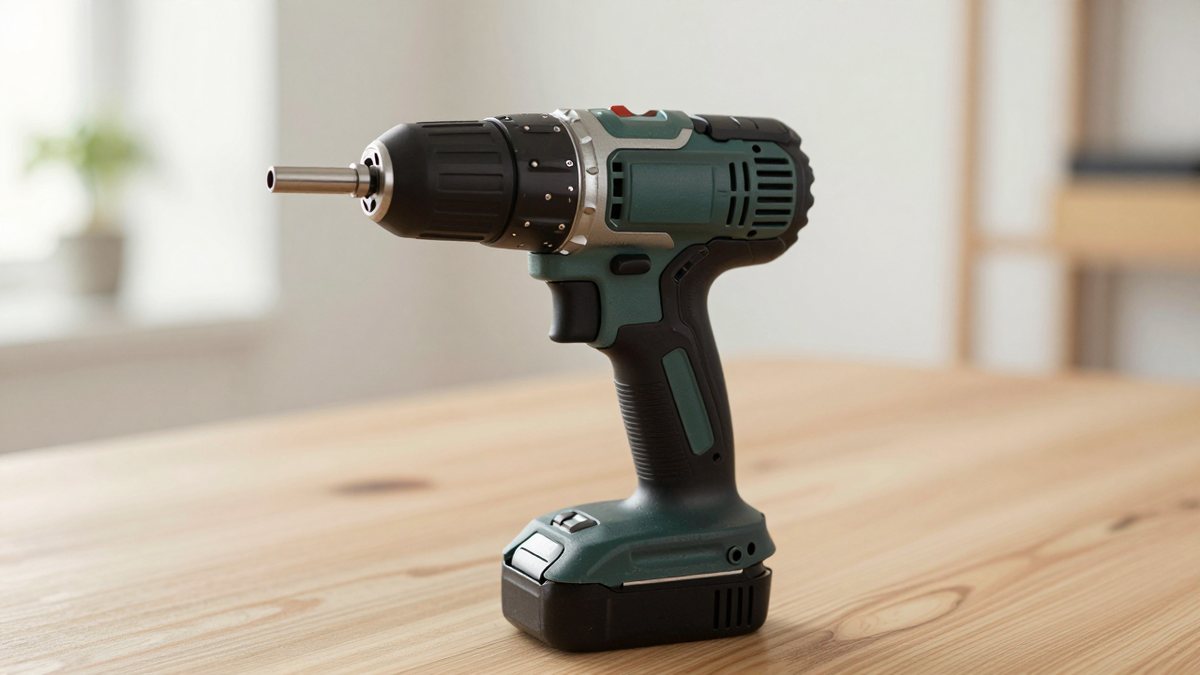
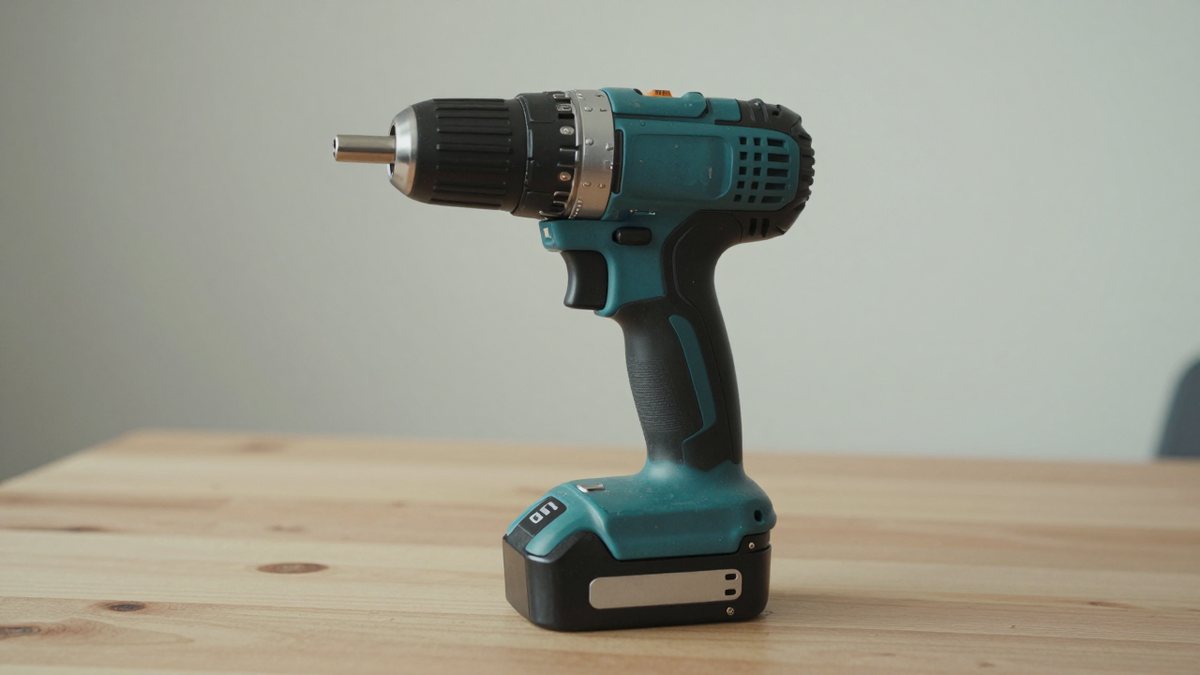
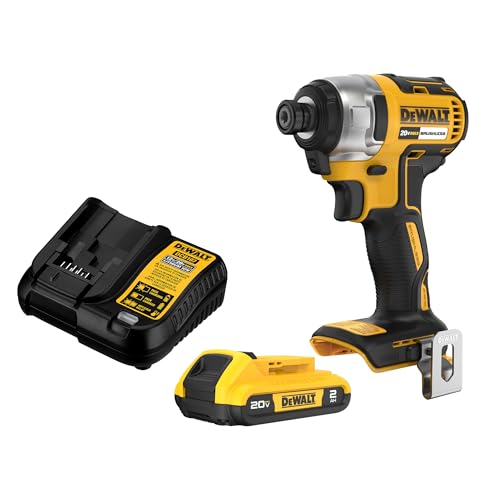
If you are buying a first driver for varied fastening, a variable-speed cordless impact driver kit is a practical category to compare. Check whether the kit includes a battery and charger, and compare the tool’s modes and size rather than choosing by advertised torque alone. For occasional furniture, trim, or small hardware jobs, a 12-volt compact impact driver kit may be enough and easier to handle.
The bit matters as much as the driver
Cam-out often starts with a poor fit. A rounded, worn, or undersized bit has less contact with the screw and can climb out under torque. Replace bits that have a visibly rounded tip or that slip in a clean screw head. A fresh bit is a cheap fix compared with extracting a stripped fastener.
Impact-rated bits are designed to tolerate the repeated torsional loading of an impact driver. They are a sensible choice for regular use, though they cannot make a mismatched tip fit properly. A set of impact-rated Phillips bits lets you keep the common sizes on hand. Choose bits with clearly marked sizes so you can test the fit instead of guessing.
How to reduce cam-out
Seat the bit fully in the recess before squeezing the trigger. Hold the tool in line with the screw, apply firm forward pressure, and begin slowly. Let the screw start turning before increasing speed. For a long screw, keep that pressure steady as it advances; easing off too early can let the bit bounce at the moment resistance rises.
In wood, drill a pilot hole when the screw maker or the material calls for one, especially near an edge or in dense hardwood. The right pilot diameter depends on the screw’s core and the wood; a hole that is too small raises driving resistance, while one that is too large weakens the threads’ grip. For delicate work or small screws, a cordless drill with an adjustable clutch may be easier to control than an impact driver. A basic drill is a perfectly reasonable purchase if most of your work is light-duty fastening.
Do not keep hammering a damaged recess. Stop as soon as the bit slips repeatedly. Try a new bit of the correct size, reduce speed, and press straight in. If the head is already rounded, use a screw extractor or another suitable removal method rather than applying more impact force.
When an impact driver is the wrong tool
Phillips screws in soft plastic, thin sheet metal, small electronics, and fine hardware are easy to overdrive. A drill clutch or hand screwdriver gives better control in these cases. An impact driver is also a poor choice when the screw head is already badly stripped, when access prevents keeping the tool square, or when the material could crack under sudden torque.
For routine construction screws and general repair work, an impact driver with speed control and a correctly fitting bit is a useful combination. For occasional short screws, spend less and use a drill or hand driver if that is what you already own. The important limit is not the tool’s advertised power: it is whether the bit stays fully engaged without forcing the screw past the point the material can safely hold.
Related guides
More from Amazon
Programs that pair well with the guide above. Offers and eligibility are set by Amazon and may change.
A free business account with business pricing and bulk-buying tools for work, shop or home office.
Create a business accountFree shipping on eligible items, Prime Video and more. Eligible new members can start with a free trial.
Start a Prime free trialAudiobooks and podcasts to listen to on the go. Eligible new members can start with a free trial.
Try Audible freeAd-free music streaming. Eligible new subscribers can start with a free trial.
Try Music Unlimited freeAs an Amazon Associate we earn from qualifying purchases.