What's inside
As an Amazon Associate I earn from qualifying purchases. This post may contain affiliate links at no extra cost to you.
For expansion anchors, the bit has one critical job: make a straight, round hole at the diameter and depth specified for the anchor. A bit that is dull, undersized, or allowed to wander can leave the sleeve loose or prevent the anchor from seating. Buy for the anchor and the concrete—not just for the drill.
As an Amazon Associate we earn from qualifying purchases at no extra cost to you.


What we cover
Our Top Picks


Match the bit to the anchor
Check the anchor packaging or manufacturer’s instructions before choosing a bit. Expansion anchors are sold for specific hole diameters, and those dimensions are not interchangeable. A common 3/8-inch anchor, for example, may call for a 3/8-inch hole, but do not assume that rule applies to every brand or anchor style. The required depth also varies.
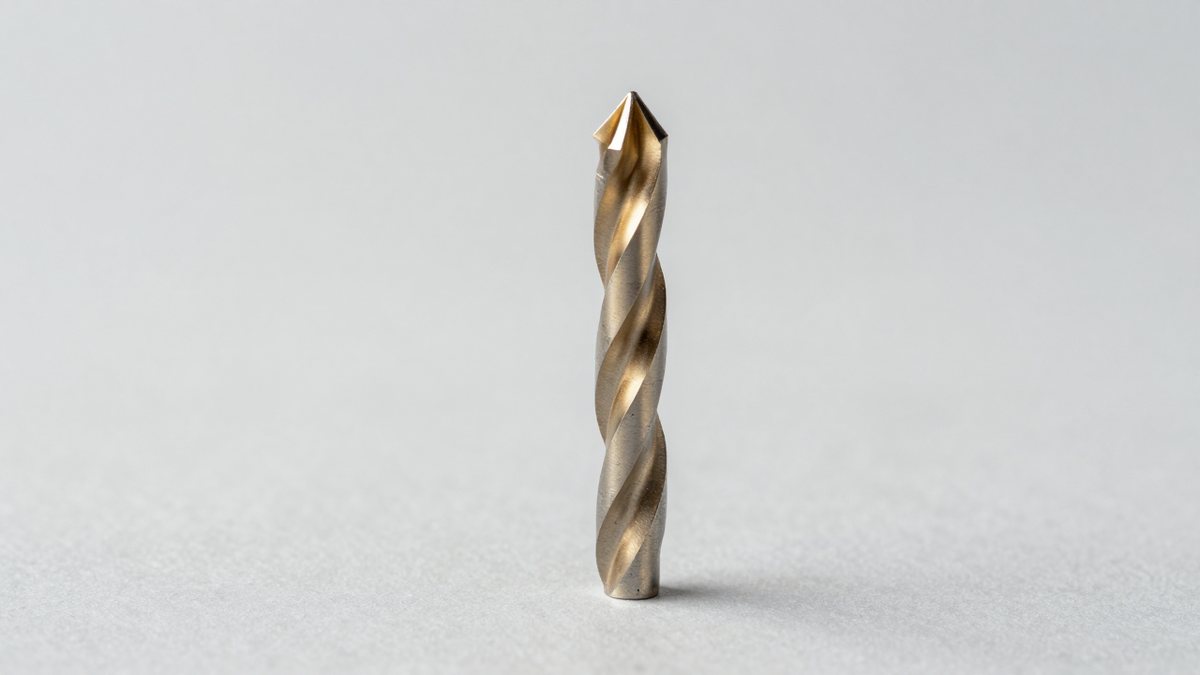
Use a carbide-tipped masonry bit made for rotary hammer or hammer-drill use. Do not substitute a wood or standard metal bit: it will cut poorly in concrete and can overheat or lose its edge. For a basic cordless hammer drill, a carbide-tipped masonry bit set is a reasonable starting point, provided it includes the exact diameter you need.
Which bit type makes sense?
| Bit type | Best use | Trade-off |
|---|---|---|
| Standard carbide masonry bit | A few holes in brick, block, or concrete with a hammer drill | Affordable, but slower and more prone to wandering or wear in hard concrete |
| SDS-Plus carbide bit | Repeated holes or tougher concrete with an SDS-plus rotary hammer | Requires an SDS-plus tool; not for a standard three-jaw chuck |
| Four-cutter SDS-Plus bit | Rebar-prone concrete or work where a more consistent hole matters | Costs more; overkill for a couple of holes in ordinary masonry |
A standard hammer drill uses a round-shank bit held in a chuck. An SDS-plus rotary hammer uses a slotted SDS-plus shank, which slides into the tool’s chuck. They are different systems; a bit that looks close is not compatible. If the job is just two or three holes in a concrete patio, a sharp standard masonry bit may be the economical choice. For a row of anchors in dense concrete, a rotary hammer and SDS-plus concrete bits usually drill faster with less pressure from the user.
Get diameter and depth right
Hole diameter is not a place to improvise. A hole that is too large can let the anchor spin or pull out; one that is too small can make installation difficult, damage the anchor, or crack the surrounding material as you force it in. If a bit has worn down, it may cut an undersized hole even though its label gives the correct nominal diameter. Replace it if the carbide tip is chipped or visibly rounded.
Drill to the anchor maker’s specified depth, allowing for dust at the bottom. A depth stop is useful; otherwise, wrap tape around the bit as a visual marker. Do not drill only to the anchor’s listed length unless the instructions say to—the hole may need extra depth for debris or the stud. For a clean installation, vacuum or blow out the hole using a method suitable for the dust and work area, then brush it if the anchor instructions call for it. Dust left inside can stop the anchor from seating fully.
Choose for your drill and material
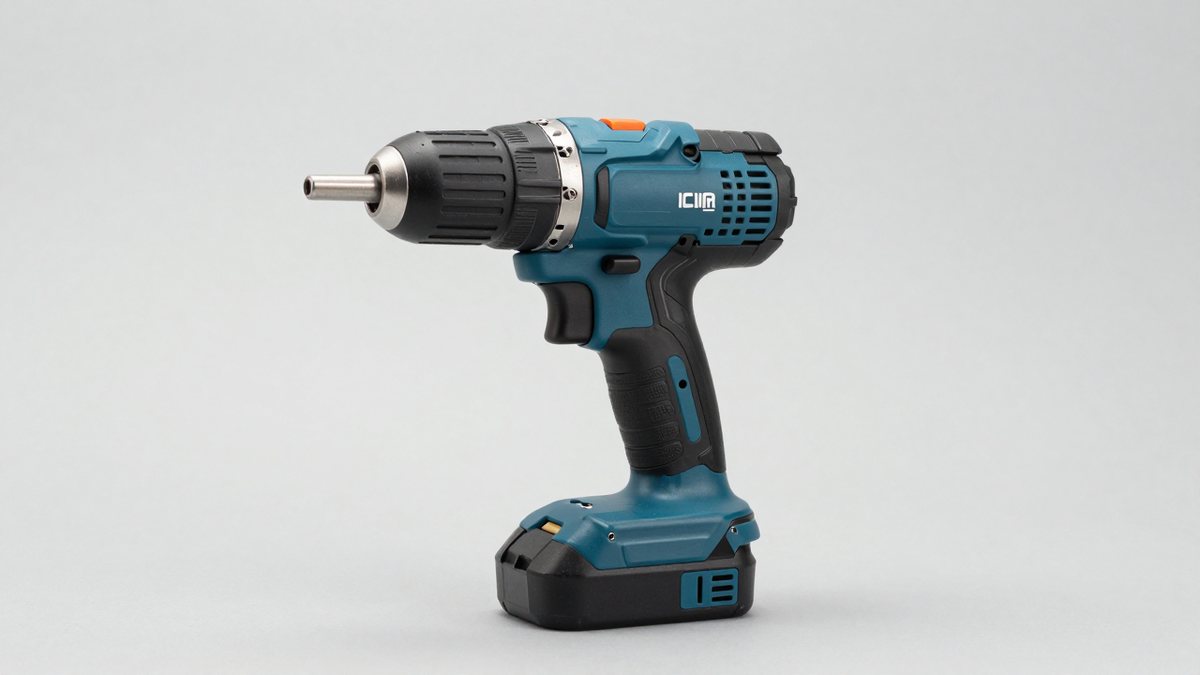
In a cordless hammer drill, use the hammer setting for concrete and masonry, and keep the bit aligned with the hole. Let the hammering action work; excessive force can slow the cut and heat the bit. A larger bit, dense concrete, or a long series of holes can drain a battery quickly. Keep a charged spare battery nearby for production work.
For an SDS-plus rotary hammer, use an SDS-plus bit of the specified diameter and select rotary-hammer mode. These tools are more effective in hard concrete, but they can also break fragile brick or block if pushed aggressively. If the mounting surface is hollow or brittle, check the anchor and substrate requirements before drilling; an expansion anchor may be the wrong fixing for that material.
Before drilling, check for hidden wiring, plumbing, and reinforcement. Avoid drilling near an edge unless the anchor instructions allow it: an expansion anchor pushes outward against the hole and can split concrete or break off a corner. If you encounter rebar, stop rather than forcing a standard bit through it. Relocate the hole if possible; cutting reinforcement can compromise the structure.
Common problems and fixes
If the bit wanders at startup, mark the hole carefully and begin with light pressure while holding the drill square. A punch mark can help on suitable concrete, but do not strike tile or fragile masonry. If the bit stops cutting, clear dust from the hole and inspect the carbide tip. A blunt bit often produces heat and slow progress instead of a clean hole.
If the anchor spins during tightening, stop. The hole may be oversized, dusty, or damaged, or the anchor may be unsuitable for the material. Do not solve the problem by driving in a larger anchor without checking its required hole size and edge distances. If the anchor will not seat, verify the diameter and depth, remove debris, and check for a stone or obstruction at the bottom.
What to buy
For occasional installation, buy one sharp bit in the exact anchor diameter rather than a large assortment of sizes you may never use. A basic carbide bit is fine for a small job in ordinary concrete or masonry. For repeated work, hard concrete, or several dozen holes, a rotary hammer and quality SDS-plus bit are a worthwhile step up. A single replacement masonry bit can also be cheaper than replacing an entire set once the working size wears out.
Before checkout, confirm the anchor’s specified bit diameter, the bit shank type your tool accepts, and the length needed to reach the required depth. Those three checks matter more than buying the biggest set or the most expensive bit.
Related guides
More from Amazon
Programs that pair well with the guide above. Offers and eligibility are set by Amazon and may change.
A free business account with business pricing and bulk-buying tools for work, shop or home office.
Create a business accountFree shipping on eligible items, Prime Video and more. Eligible new members can start with a free trial.
Start a Prime free trialAudiobooks and podcasts to listen to on the go. Eligible new members can start with a free trial.
Try Audible freeAd-free music streaming. Eligible new subscribers can start with a free trial.
Try Music Unlimited freeAs an Amazon Associate we earn from qualifying purchases.