What's inside
As an Amazon Associate I earn from qualifying purchases. This post may contain affiliate links at no extra cost to you.
Fence boards are easy to split if a screw is driven too close to an edge without a pilot hole. For this job, you do not need a hammer drill or a high-torque impact driver. A compact 12-volt drill can handle most repairs and new boards; a 18- or 20-volt drill is a better choice if you are building a long fence, drilling thick lumber, or already own batteries in that system.
As an Amazon Associate we earn from qualifying purchases at no extra cost to you.
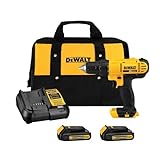

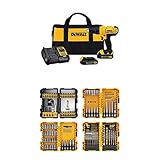

What we cover
What matters in a drill for fence boards
Look for a variable-speed trigger, a clutch, and a keyless chuck that accepts the bits you plan to use. Two speed ranges are useful: the low range gives better control when starting a hole, while the high range speeds up drilling. A comfortable grip and a battery that does not make the drill awkwardly nose-heavy matter more than a long list of electronic modes.
For common 1-by fence boards, which are about 3/4 inch thick, a compact drill has ample power. A larger drill is helpful for repeated holes in dense or wet wood, but its extra weight can make overhead or ladder work tiring. If your work is just a few boards, a basic drill kit is usually enough. Compare cordless drill kits by battery availability, weight, and included charger rather than peak torque claims.
Drill, hammer drill, or impact driver?
A standard drill-driver is the right tool for pilot holes. Its chuck holds ordinary round- or hex-shank drill bits, and its clutch can limit force when you later drive screws. A hammer drill adds a percussive action for masonry; that feature does not improve drilling in wood and can make the tool heavier. You can buy one if you also need to drill brick or concrete, but it is unnecessary for fence boards.
An impact driver is designed mainly to drive screws and other fasteners. It can drill wood with suitable hex-shank bits, but its hammering rotation offers less fine control for a small pilot hole and may damage a narrow bit or split a board if you rush. If you are buying just one tool for fence work, choose a drill-driver. If you already have an impact driver for long screws, pairing it with a drill is convenient; see compact cordless drill-drivers.
Which drill size fits the job?
| Drill type | Best for | Trade-off |
|---|---|---|
| 12-volt drill-driver | Small repairs, a few boards, and light carry weight | May slow down in repeated holes or dense, wet wood |
| 18- or 20-volt drill-driver | Building or repairing many boards, larger bits, and mixed jobs | Heavier and often more power than a small fence repair needs |
| Hammer drill-driver | Wood work plus occasional masonry drilling | Bulkier; hammer mode is not useful in fence lumber |
| Impact driver | Driving many fence screws after holes are drilled | Less controlled for pilot holes; requires compatible bits |
Battery compatibility can decide the purchase. If you own tools from a brand’s battery platform, a bare drill may save money. If not, check whether the kit includes a battery and charger; a low bare-tool price is no bargain if you need both. For occasional fence maintenance, a lower-cost 12-volt kit is fine. Spend more for a larger platform when you will use it regularly or need it for other demanding work.
Choose a bit that matches the screw
The pilot hole should be narrower than the screw’s outside thread diameter, but wide enough for the screw’s solid core to enter without forcing the wood apart. As a starting point, a typical #8 wood screw often takes a 1/8-inch pilot in softwood; a #9 or #10 screw may need around 9/64 or 5/32 inch. These are starting points, not universal sizes: check the screw maker’s guidance, and use a larger pilot in dense hardwood than in soft cedar or pine.
When fastening near the board’s edge, stay at least about 3/4 inch from the edge where the layout allows. If you must work closer, use a smaller screw or a thinner board only when the design permits, and test the bit size on a scrap. A bit that is too small can make the screw bind, snap, or split the board. A bit that is too large leaves weak thread engagement, so the screw may pull out. A wood drill bit set with fractional sizes makes it easier to adjust rather than forcing one bit to do every job.
How to drill clean pilot holes
Mark the screw centers and clamp or hold the board firmly against its rail. Put the drill in low gear, use a sharp bit, and start at a right angle to the board. Apply steady pressure rather than leaning your full weight on the drill. Let the bit cut; if it wanders, stop and reset instead of widening the hole by steering the spinning bit.
For holes that pass through a board, back the exit side with scrap wood when possible. That reduces splintering as the bit breaks through. Clear packed chips from a deep hole by withdrawing the bit while it is still turning slowly, then continue. If the drill stalls, do not keep squeezing the trigger: back the bit out, clear the chips, and check that the bit is not dull or pinched.
When driving screws, set the drill clutch low enough to stop before the head sinks too deeply, then increase it only as needed. Near the end, ease off the trigger. Overdriving can crush soft wood, strip the hole, or leave the screw head below the surface where water can collect. If the board still splits despite a pilot hole, check the screw position, pilot diameter, and whether the board is especially dry or close to its edge before blaming the drill.