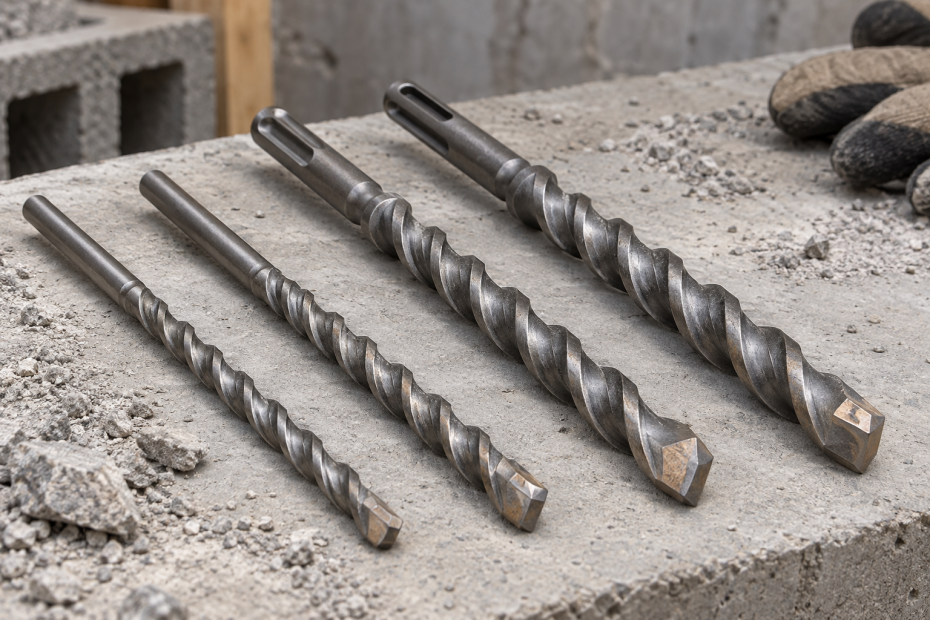
Masonry Bit vs Multi-Material Bit for Brick Walls
For most holes in brick, a masonry bit is the straightforward choice. A multi-material bit can also work in brick, especially for a few small holes in a wall, but it is not automatically faster…
For most holes in brick, a masonry bit is the straightforward choice. A multi-material bit can also work in brick, especially for a few small holes in a wall, but it is not automatically faster…
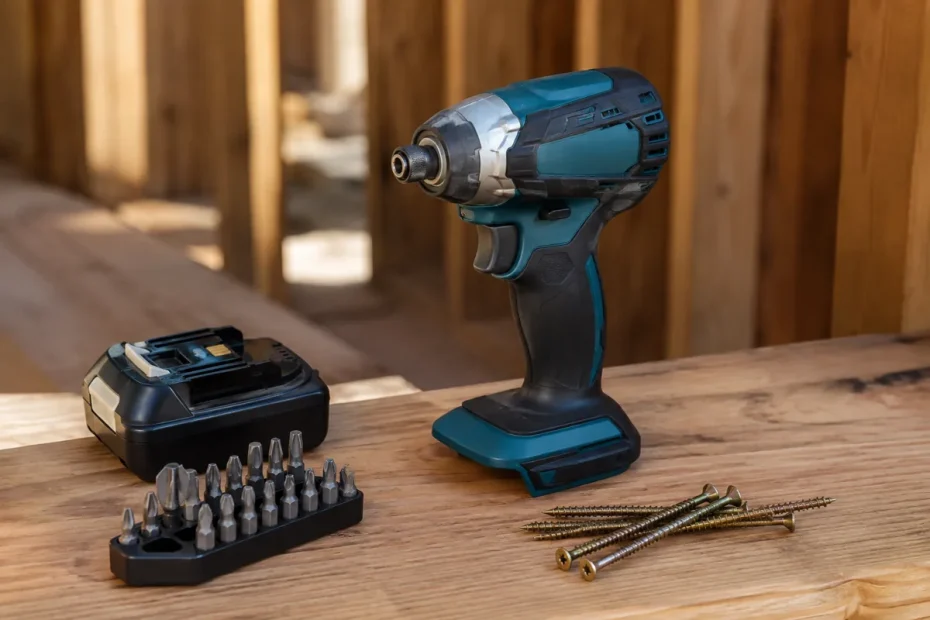
For most masonry fasteners, use a hammer drill to make the hole and a regular drill or driver to set the fastener. An impact driver is usually the wrong tool for drilling masonry: its rotational…
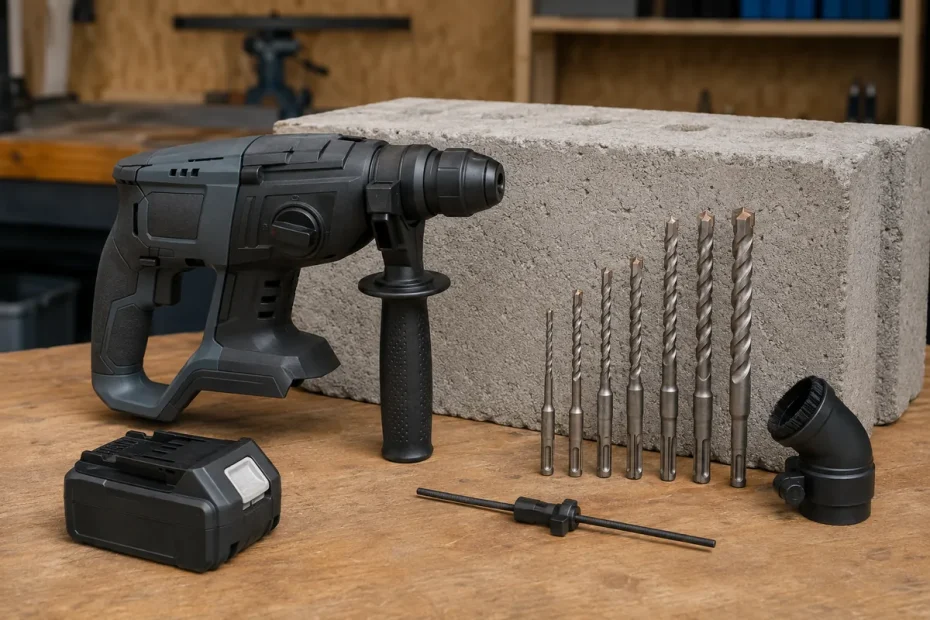
For a few small holes in brick or concrete, a hammer drill is usually the sensible first choice. A rotary hammer drills faster and with less effort, but its size, weight and cost are hard…
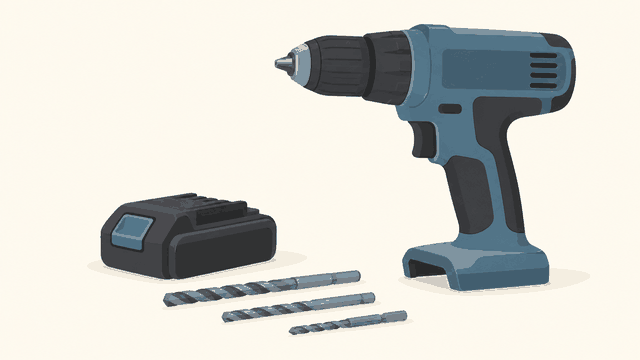
For small repairs in brick or concrete block, the right drill depends on the holes you need to make. A regular drill driver can handle occasional small holes in softer masonry with a suitable masonry…
For a small deck, you can drive most screws with either tool, but they do not do the same job equally well. A cordless drill is more precise and handles holes and smaller fasteners. An…
Small screws snap because an impact driver doesn’t know they’re small. It delivers rotational impacts at 3,000+ IPM with peak torque over 1,500 in-lbs, and a #6 or #8 screw with a 0.13″ shank can’t…
Why Brass Screws Fail Differently Small brass screws look like small steel screws but they don’t behave like them. Brass is much softer and has about half the torsional strength of steel. A #4 or…
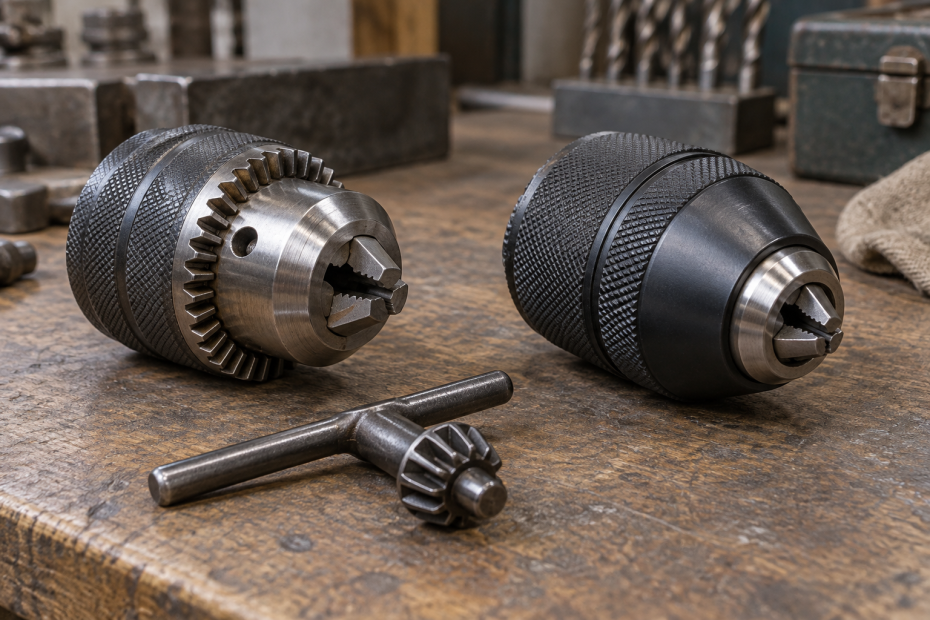
If you are shopping for a cordless drill, you will see two chuck sizes everywhere: 1/4-inch and 1/2-inch. That number is the maximum shank diameter the chuck can grip, and it tells you a lot…
What a keyless chuck needs to grip A keyless chuck tightens by turning its front sleeve while holding the rear of the chuck still. The jaws inside move inward and clamp the bit’s smooth shank.…
Why cordless drill batteries overheat A drill battery gets warm because delivering current creates heat inside its cells and electrical connections. The harder and longer the drill works, the more heat it produces. A few…