Skip to content
AI-generated editorial illustration of wall anchors

Nylon Wall Plugs vs Metal Expansion Plugs for Masonry

  • by

What each plug does Nylon wall plugs and metal expansion plugs both anchor screws in masonry, but they grip in different ways. A nylon plug deforms as the screw enters, pressing its ribs against the… 
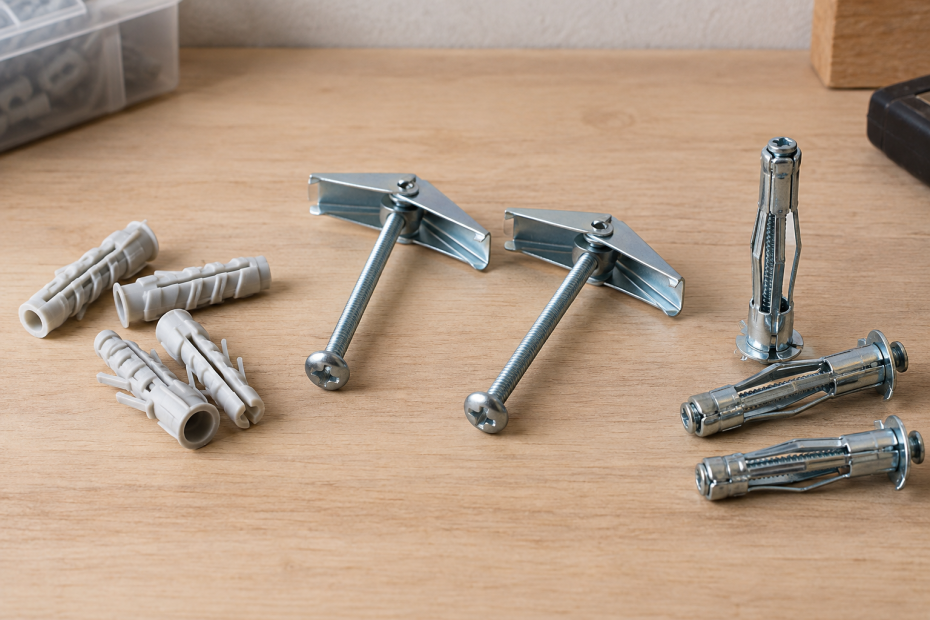
AI-generated editorial illustration of wall anchors

Molly Bolts vs Toggle Bolts for Hollow Wall Fixtures

  • by

Molly bolts and toggle bolts both anchor fixtures in hollow walls by opening behind the wall surface. The difference is how they spread the load. A molly has a metal sleeve that expands against the… 

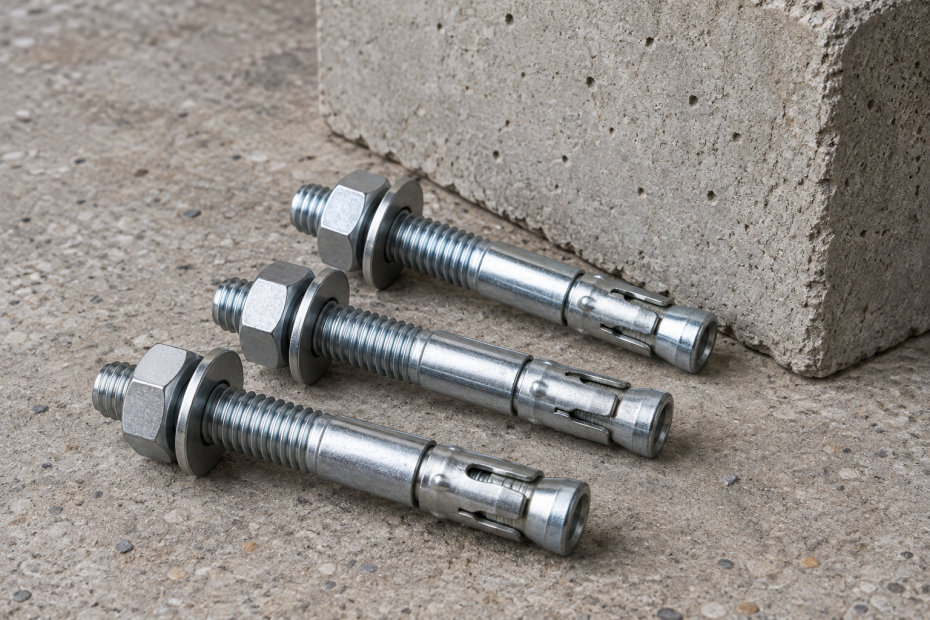
AI-generated editorial illustration of masonry expansion anchors

Sleeve Anchors vs Wedge Anchors for Concrete Block

  • by

Sleeve anchors and wedge anchors are both expansion anchors: tightening a nut or bolt pulls a cone into a metal sleeve, pressing the anchor against the sides of a drilled hole. The important difference for… 

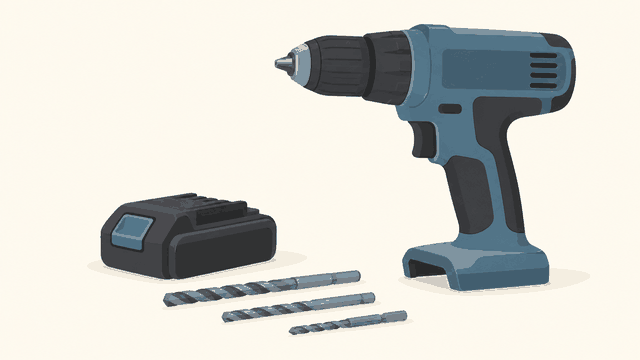
Editorial illustration: unbranded cordless drill beside a detached battery and drill bits.

Brushless vs Brushed Cordless Drill for Weekend Projects

  • by

For most weekend projects, both a brushed and brushless cordless drill can drill holes, drive screws, and handle ordinary repairs. The difference shows up in runtime, heat, control, price, and how hard you can work… 

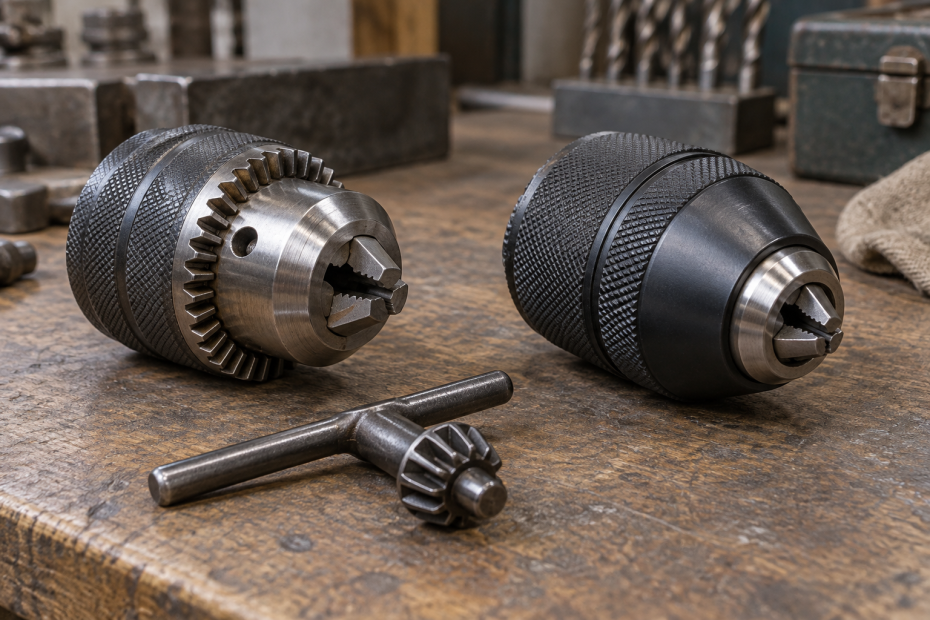
AI-generated editorial illustration of drill chucks

Keyed vs Keyless Drill Chuck for High-Torque Drilling

  • by

What the chuck changes—and what it doesn’t A drill chuck grips the smooth shank of a drill bit. In a keyed chuck, a toothed key tightens the jaws; in a keyless chuck, you twist the… 

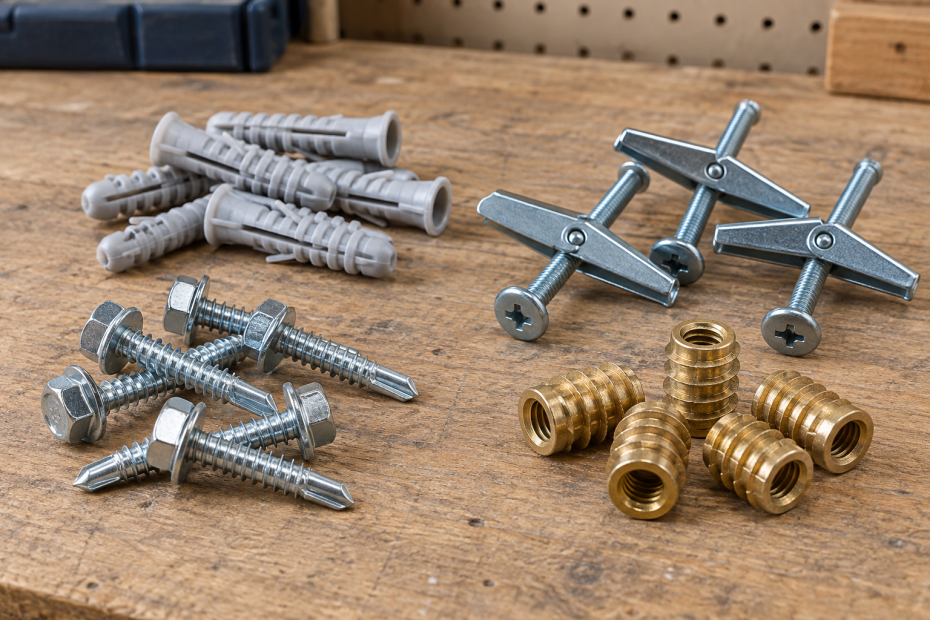
AI-generated editorial illustration of self drilling fasteners and threaded inserts

Self-Drilling Screws vs Pilot-Hole Screws for Thin Steel

  • by

On thin steel, the choice between a self-drilling screw and a screw installed in a pilot hole comes down to the materials, the sheet thickness, and how much control the job needs. Self-drilling screws save… 

AI-generated editorial illustration of driver bits

Phillips vs Pozidriv Driver Bits for Construction Screws

  • by

Phillips and Pozidriv bits may look nearly identical, but their tips are shaped differently. Using the wrong one can make a screw hard to drive, chew up its recess or cause the bit to slip.… 

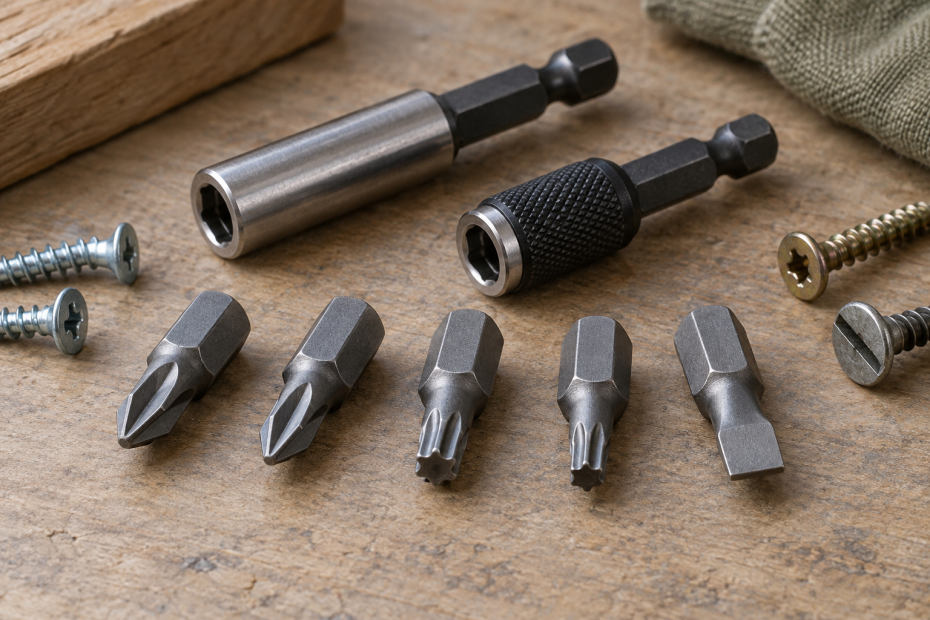
AI-generated editorial illustration of driver bits

Magnetic vs Nonmagnetic Bit Holders for Overhead Fastening

  • by

Why overhead fastening is different Driving a screw upward adds a problem you don’t have on a bench: gravity is trying to pull the fastener off the bit before the threads catch. A bit holder… 

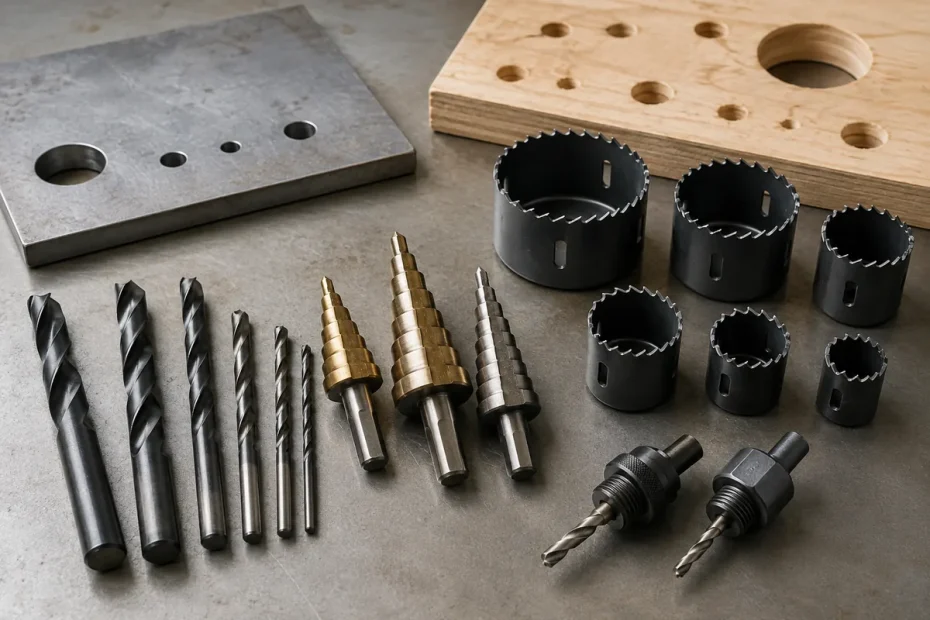
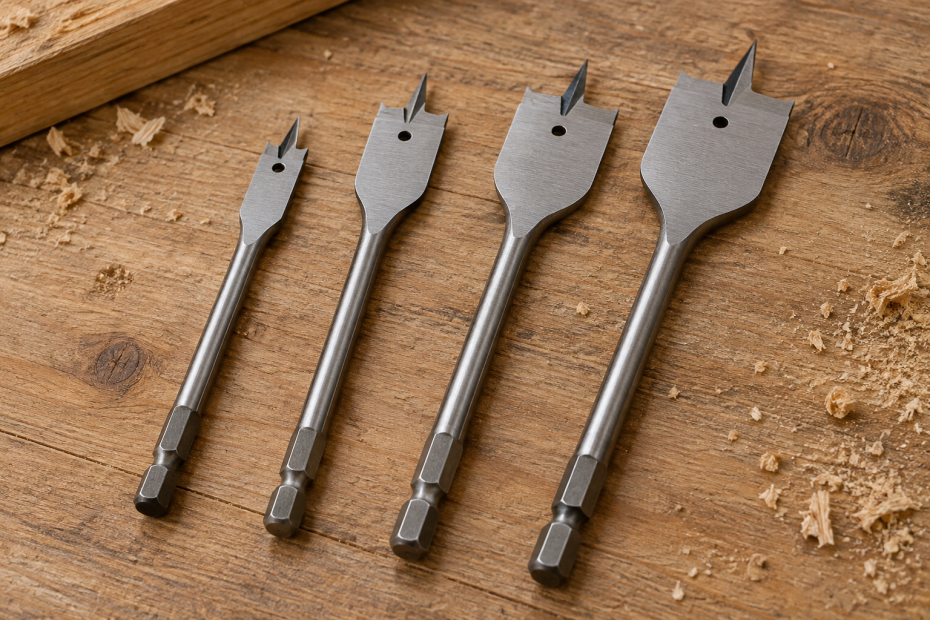
AI-generated editorial illustration of spade drill bits

Auger Bit vs Spade Bit for Boring Through Floor Joists

  • by

For boring a few holes through floor joists, a spade bit is usually the cheaper, faster choice. An auger bit is easier to keep feeding through deep wood and tends to leave a cleaner hole,…